
Winter changes the rhythm of a household, especially when there’s a preschooler around. Mornings feel slower. Bath time takes longer. Outdoor play shrinks. Children fall sick more easily, and parents quietly worry if they’re doing enough. These winter parenting tips aren’t about perfection. They’re about small, thoughtful adjustments that help children stay healthy, safe, and emotionally settled during colder months.
Preschoolers don’t experience winter the way adults do. They don’t register temperature drops logically. They feel discomfort first. Cold hands. Runny noses. Fewer chances to run freely outside.
This is when patience matters. Children may appear cranky or restless simply because their routine has shifted. Recognising this makes winter parenting less stressful and more responsive.
Parents often layer too much out of fear. While warmth is essential, overheating can be just as uncomfortable.
Choose breathable layers. Cotton inside, wool or fleece outside. Make it easy to remove layers indoors. Cold extremities matter more than thick jackets, so pay attention to socks, caps, and gloves.
This simple part of winter season care keeps children comfortable without fuss.
Seasonal sicknesses have their peaks, but daily habits have a greater influence than most people realize. Winter health tips should be followed daily. Warm liquids, handwashing, and consistent sleep times make a big difference. Do not do anything drastic to your eating plan. Familiar foods with seasonal additions work better than sudden “immune boosters.”
Fresh air still matters. Short outdoor exposure during mild daytime hours supports circulation and mood, even in winter.
Less time spent outdoors doesn’t necessarily mean less physical activity. Children from 2-5 years of age are quite active, and they need to be able to move around a lot, especially when they are cooped up inside, and the energy runs high.
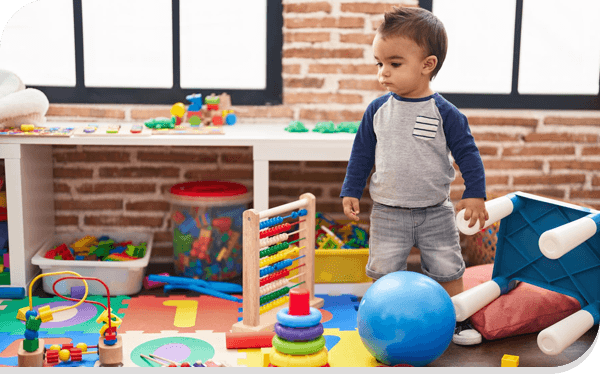
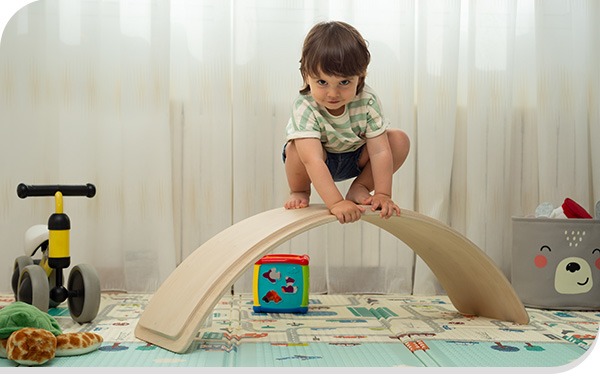
Little games that let children jump, balance, or crawl are a great way to get rid of that energy. Activities that support learning through play keep the kids occupied, and the screens do not take over the day. Moreover, these moments enhance coordination and emotional regulation, even though they may seem like “just play”.
Cold months often bring more quiet time at home. This is an opportunity, not a limitation.
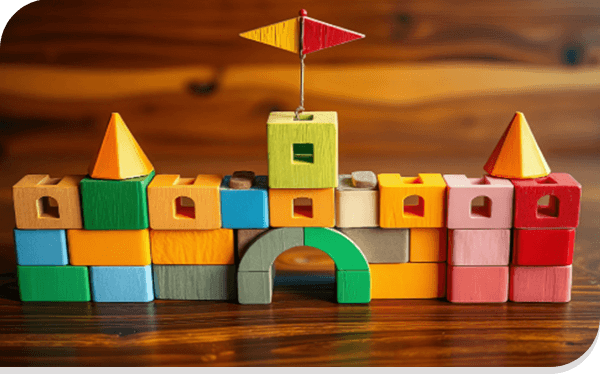
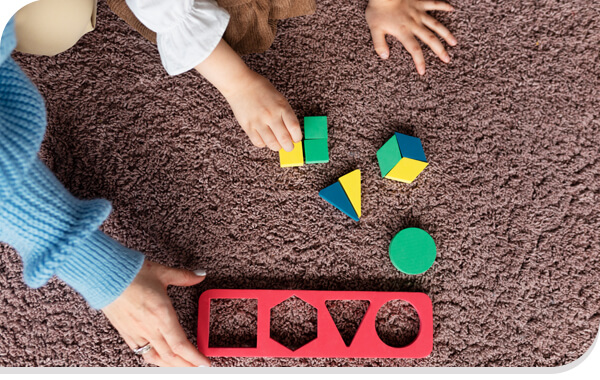
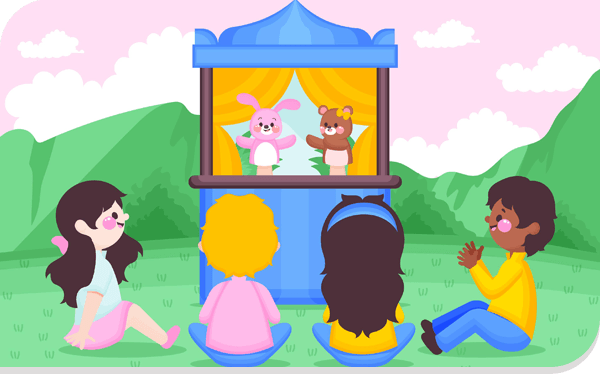
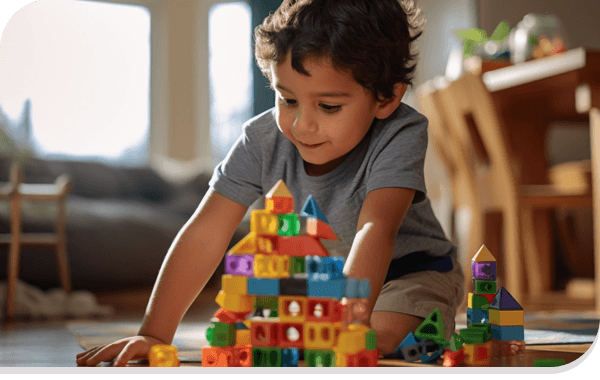
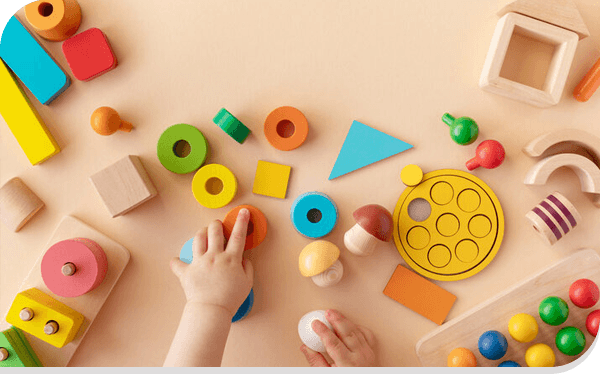
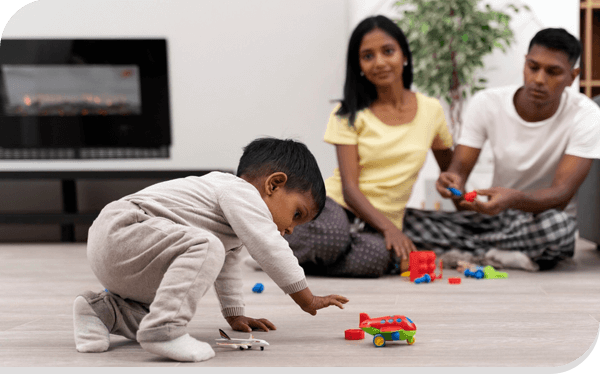
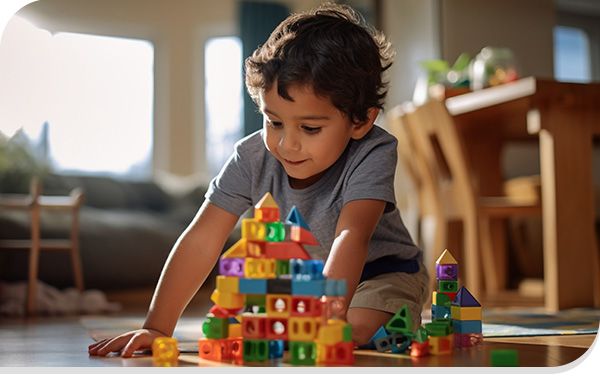
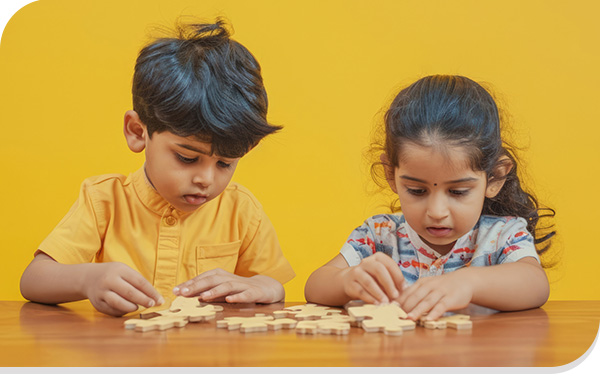
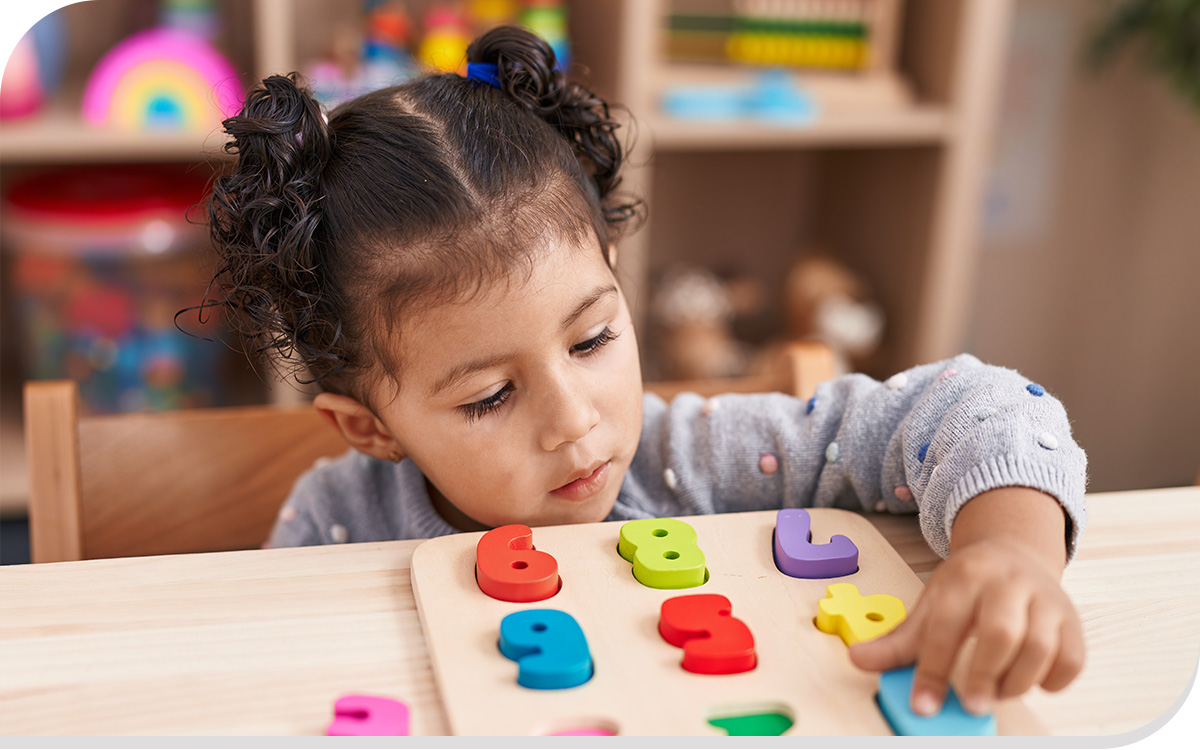
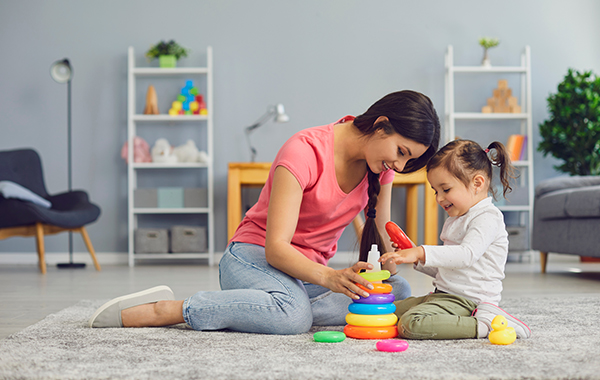
Storytelling, puzzles, building blocks, and pretend play double as brain development activities when done casually. The key is participation, not instruction. Sit nearby. Ask questions. Let children lead.
Winter slows things down naturally. That slower pace actually helps children absorb more.
When outdoor playdates are reduced, social exposure often shrinks too. But interaction remains important.
Even limited group settings support social development preschool behaviours. Sharing, turn-taking, and communication don’t stop being relevant just because it’s cold.
If preschool attendance continues through winter, maintain consistency. Presence in the home is a source of comfort for children. When children start to come to school less often, try to balance it at home. Have conversations, storytelling, and cooperative play times at home in her schedule.
Winter evenings arrive early, and visibility reduces faster than expected. This affects travel, playtime, and daily schedules.
Parents enrolling now can align with schools that value the importance of preschool education as a developmental stage, not just preparation for primary school.
That shift is worth paying attention to.
When visiting schools, don’t just look at facilities. Listen to how teachers talk about children. Ask how they handle difficult days. Observe how classrooms feel when learning is happening, not when presentations are on.
Be extra cautious about slippery floors, wet clothing, and messy play areas. The indoors will be the main place for activities, so safety checks become more crucial.
Calm environments help children settle better in winter, especially during evenings when energy dips suddenly.
Preschoolers may not verbalise discomfort clearly. Instead, it shows up as clinginess, mood swings, or disrupted sleep.
Acknowledge feelings without overreacting. Extra cuddles, consistent routines, and predictable transitions go a long way. Emotional security is as much a part of winter care as physical warmth. Parents often underestimate how much reassurance matters during seasonal shifts.
Winter prompts reflection for many families who plan the future. Parents who notice many signs, such as maturity, independence, or even readiness, will probably start to think about schooling timelines.
Knowing your kid's comfort level is helpful when thinking about milestones like the best age for nursery admission. The behaviour of the child during winter can indicate readiness that is not always seen in the busy months.
Instead of treating screens as default entertainment, try anchoring them to routine. Short viewing after meals or during fixed time slots feels more predictable to children. Random usage often leads to resistance when it’s time to stop. Balance screen exposure with hands-on tasks like sorting toys, drawing, or simple household activities that children enjoy copying.
Parents don’t need to eliminate screens in winter. They just need to keep them from replacing interaction, movement, and conversation. Children settle better when their days still have variety.
Winter disrupts schedules more than most parents expect. Late mornings, slower starts, skipped outings. The mistake is trying to force summer routines into colder months.
Instead, adjust gently. Shift bath times earlier. Add longer wind-down periods before bed. Keep meal times consistent, even if activities change. Preschoolers respond well to predictability, especially when the outside world feels unfamiliar.
Winter doesn’t need to feel like something to “get through.” With small changes, it can become a calmer, more connected phase of parenting.
These winter parenting tips aren’t about doing more. They’re about noticing more. How your child responds. What they need on slower days. When to push gently and when to pause.
For families who want places that can understand seasonal needs, Beginners World Preschool provides a very comfortable and child-led system of adjustment in the cold months. The child’s emotional comfort is the main factor in the process, and the engagement is steady and soft, so the children are not pushed when the energy is naturally low. This method of dealing with winter makes it less of a disruption for both parents and kids.
Support doesn’t have to be loud or complicated. In winter, it often works best when it’s quiet, consistent, and thoughtful.