
The first years of a child's life are the silent architects of the entire future. It is not a matter of pushing kids too hard or too soon. It is a matter of acknowledging the natural development of young brains and providing the environment that will nurture that development. At the core, preschool education is effective because it is on the same wavelength as the children's learning inclination.
The neurological connections are formed in the brain at a pace between birth and five years, which is never repeated again. These initial encounters are not only the introduction to concepts but also the shaping of the cognitive and relational skills of the child with the world. Early intervention programs take advantage of this inherent readiness. They provide a groundwork that nurtures the child's natural curiosity and emotional stability.
Research into early childhood brain development has one message. Active movement, social interaction, and repetition are the best ways of learning for little ones. They gain more knowledge from practice than from listening. An effective program does not contradict this natural instinct; rather, it becomes the partner in the process.
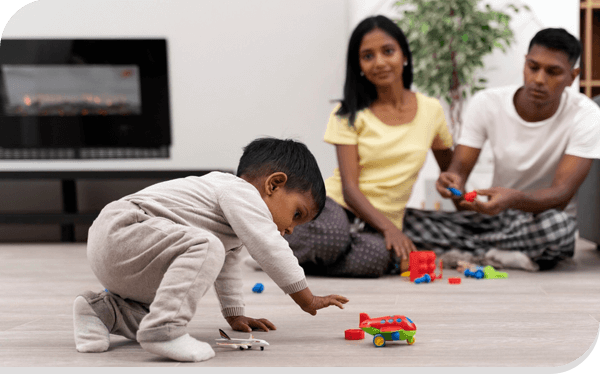
Rather than chasing early academic outcomes, strong environments focus on meaningful routines, stories, shared play, and conversation. These everyday moments strengthen neural pathways and gradually improve focus, memory, and flexible thinking. There’s no pressure involved. Progress happens naturally over time.
This is why preschool education often feels simple when it’s done right. Children aren’t pushed forward. They’re supported as they move ahead on their own.
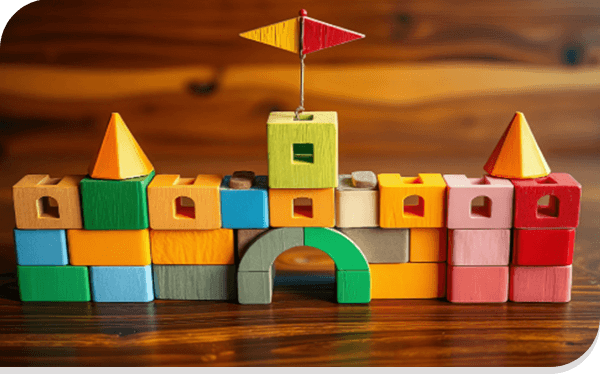
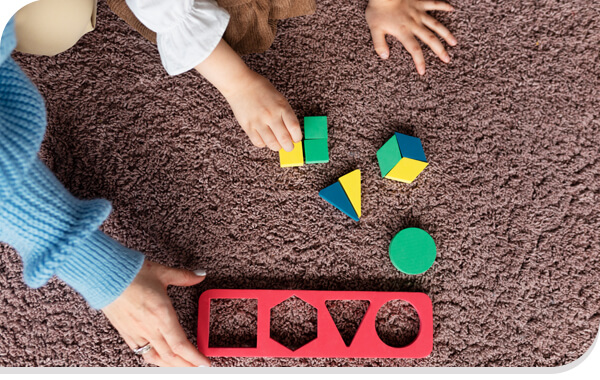
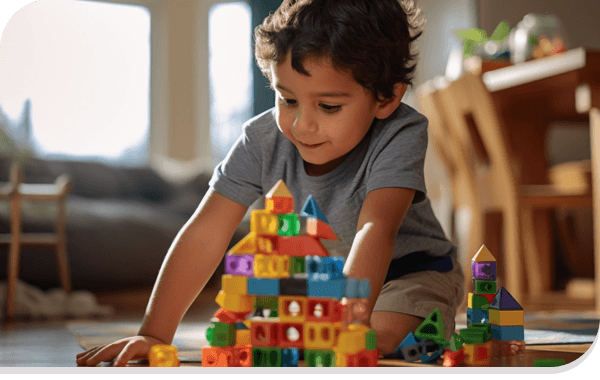
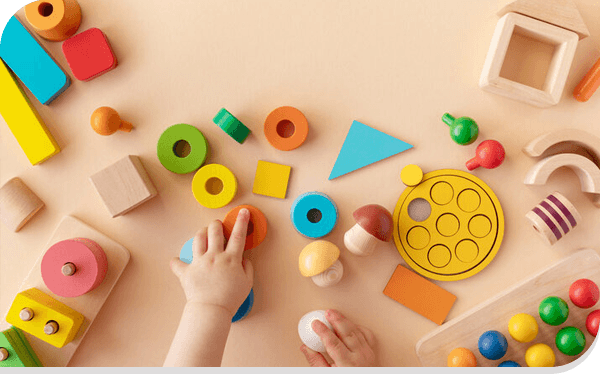
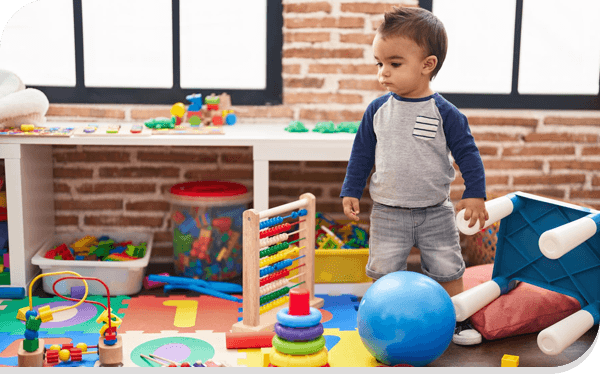
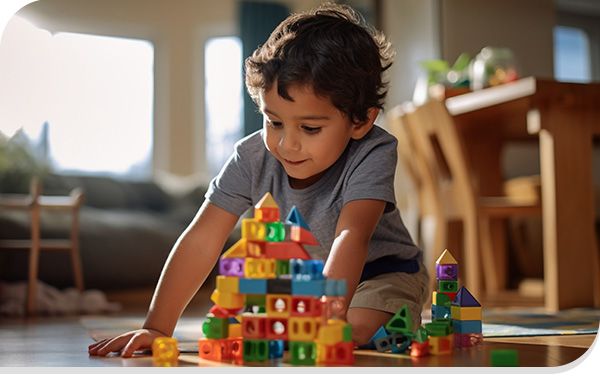
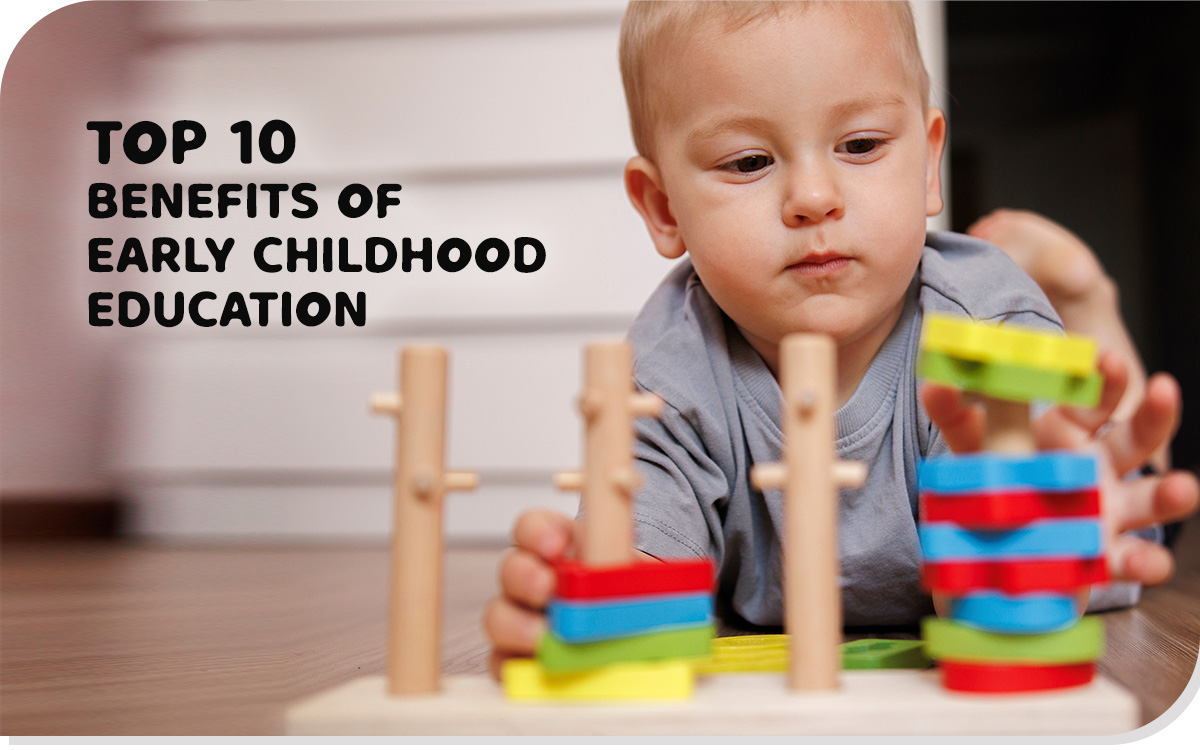
Healthy cognitive development in preschoolers does not come from drills or worksheets. It is instead developed through experiences that stimulate children's thinking and questioning. Processing information is learned by the brain during sorting toys or building with blocks, along with working on simple problems.
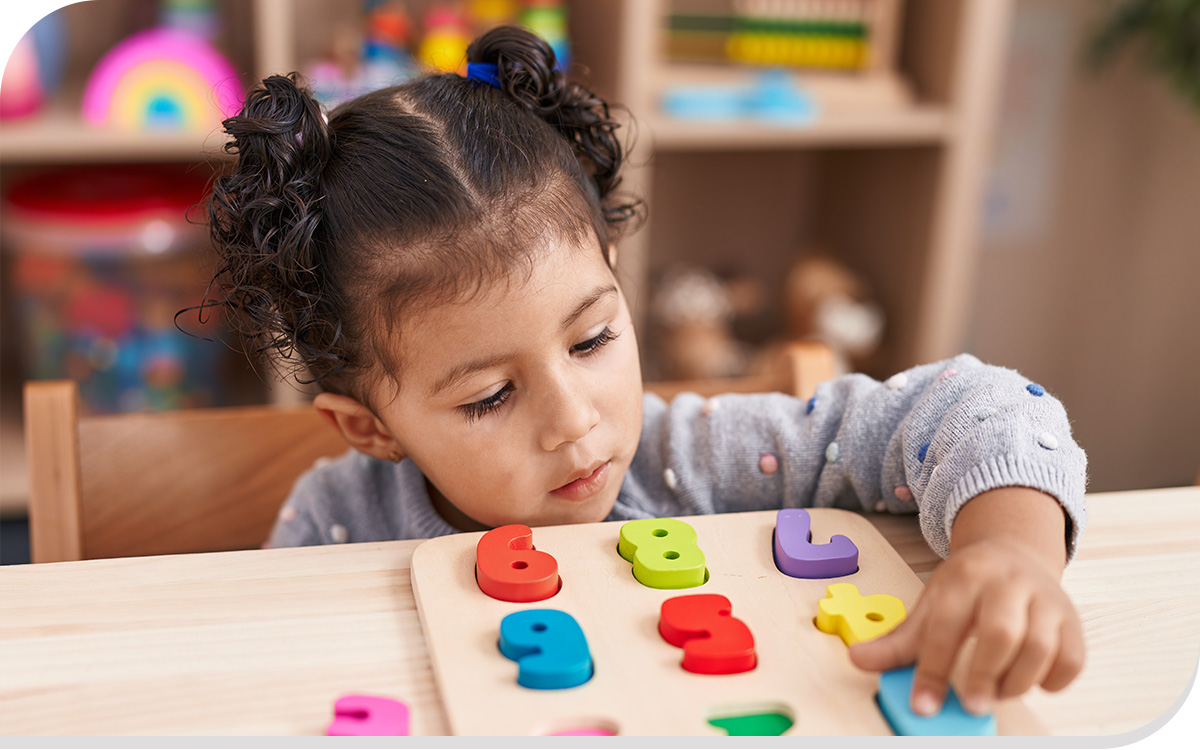
Thinking classrooms present basic concepts through play and interaction. These early learning activities promote reasoning and language skills without making the children feel learning is a burden. It is not only academic skills that count when determining readiness. The emotional development in early childhood is a significant factor in how children will cope with learning environments later on.
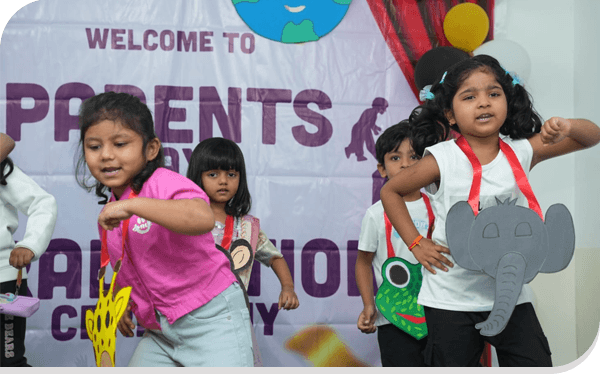
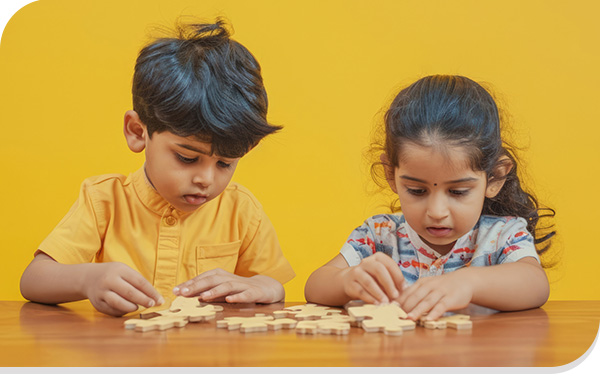
Group play teaches children how to be patient and to wait for their turn. Soft direction is given to children who need help in communication. Emotional safety is ensured through predictable daily schedules. All of these experiences combined make children feel comfortable and accepted. When the feeling of emotional awareness increases, confidence grows too. Children become more ready to try, to ask, and to deal with small disappointments without the fear of being hurt.

Structure is often viewed as a limitation, but for little kids, it gives them a soothing effect. Knowing what will come next is a safety feeling for them. Safety feeling is what allows the expression of creativity and the carrying out of exploration.
Balanced early learning programs offer clear routines while still leaving space for choice. Children learn when to explore, when to rest, and how to move between activities. This rhythm supports self-regulation and independence in subtle ways. The importance of early education lies in offering guidance without overwhelm. Children grow best when expectations feel steady and not stressful.
Children coming from good early education backgrounds easily acclimate to regular schooling. The noise of routines, social interaction, and group learning is lessened, and the quality of getting rid of anxiety and building competence early is better.
Such benefits are not going to disappear soon. The taking in of the right atmosphere at an early stage characterizes one's determination, strength, and flexibility in the future. The preschool period is seen as the beginning of determining how the child will react to difficulties that will arise during his lifetime, and even more so, when he is out of the classroom.
This is the rationale behind preschool education: Paying more attention to future readiness than to early accomplishments. It also nurtures independence and emotional balance with decision-making through everyday moments. Thus, helping children adapt calmly to change and handle setbacks. It also helps them approach unfamiliar situations with quiet confidence later in life.
Each child has their own rate of development, which makes the educational setting critically important. Parents usually benefit from those programs that prioritize exploration, emotional safety, and guided learning rather than competition or inflexible benchmarks.
Reliable early learning programs consider the whole child. They work simultaneously on thinking skills, emotional intelligence, and social confidence. When families team up with teachers who are aware of this balance, children get a powerful and consistent start.
Programs at Beginner's World are all about engaging curiosity and, at the same time, respecting each child's pace so that learning becomes natural, supportive, and truly engaging.