The months before a child begins school feel strange. There’s excitement, of course. But there’s also hesitation. Will they adjust? Will they listen? Will they miss home too much? Here’s the reassuring part. preparing your child for preschool doesn’t require workbooks or strict routines. The process of learning occurs through the normal social interactions that people experience every day. Children need to develop basic skills through structured preschool preparation activities before they can enter preschool and daycare programs.
Let’s walk through practical things parents can do at home without turning the house into a classroom.
Set predictable wake-up and sleep schedules. Fix meal times within a small range. Create a short daily activity block. It doesn’t need to be long. Even thirty focused minutes help children understand that days have flow.
Children who experience simple structure at home tend to adjust faster in preschool and daycare environments because the pattern feels familiar. Keep the routine flexible, though.The preschool preparation goal is comfort, not rigidity.
Small acts of independence make a big difference later. Let your child try wearing shoes without help. Ask them to place toys back in a basket. Teach them to take their cups to the table. These are not chores. They’re confidence builders.
When children learn to do things on their own, they start trusting themselves. This self-trust helps children transition easily into a group environment. You don’t have to correct them for every mistake. At this point, it’s the effort that counts, not perfection.
Language grows fastest in conversation, not instruction. Describe what you’re doing while cooking. Ask open-ended questions while walking outside. Respond patiently when your child narrates something that makes no sense to you.
These exchanges strengthen listening and expression skills naturally. Many parents look up formal preschool education activities, but regular conversation often does more than structured drills.
Separation doesn’t have to start on the first school day. Leave your child with a trusted family member for short periods. Step out briefly while explaining where you’re going and when you’ll return. Keep goodbyes calm and predictable.
The goal is to help your child understand that departures are temporary. Gradual exposure builds emotional security. This small practice supports adjustment when they begin preschool and daycare, where short separations become part of daily life.
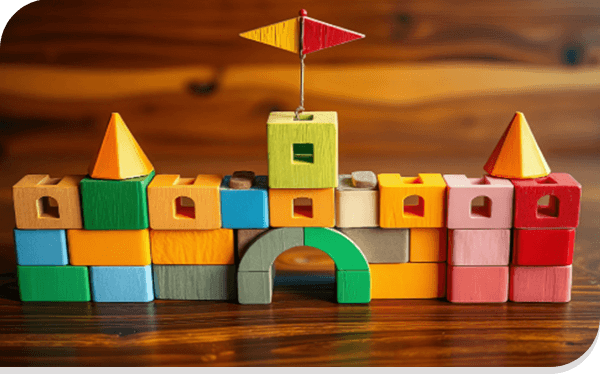
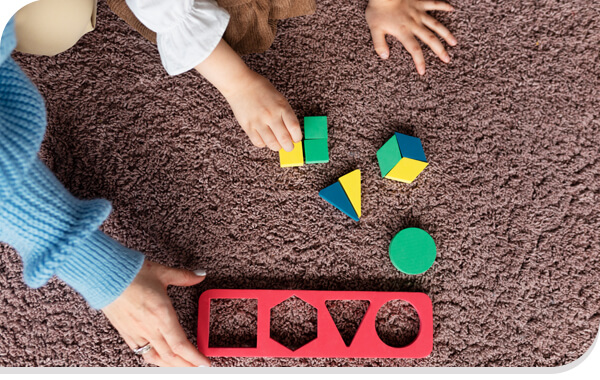
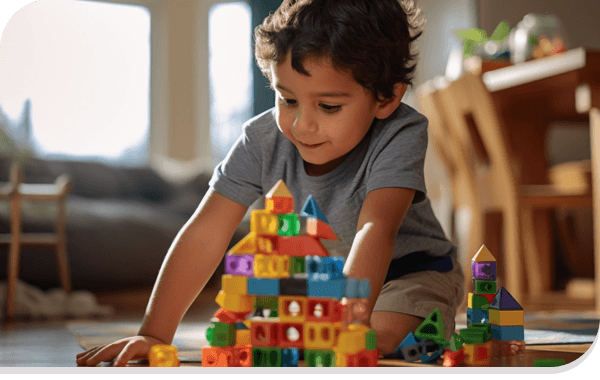
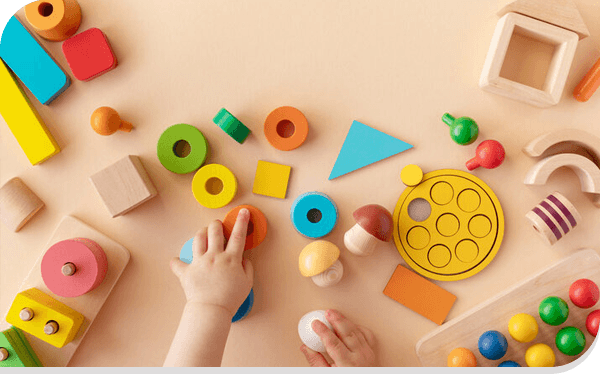
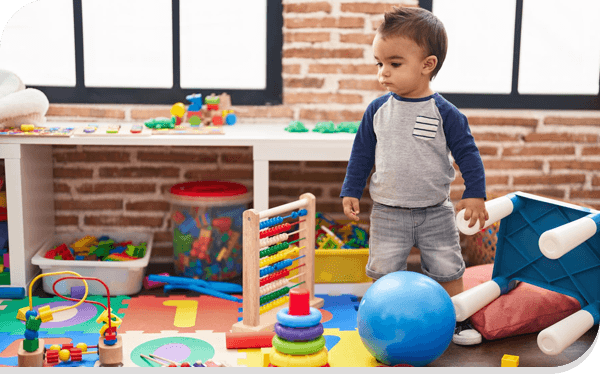
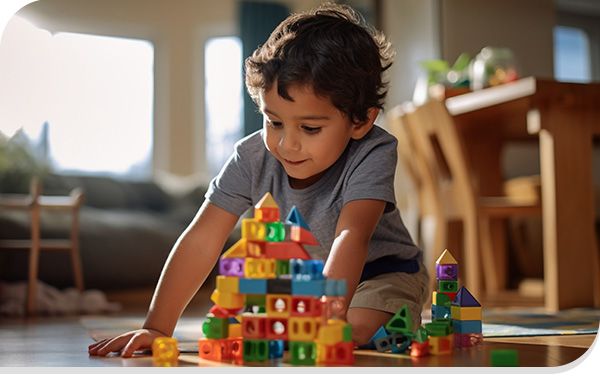
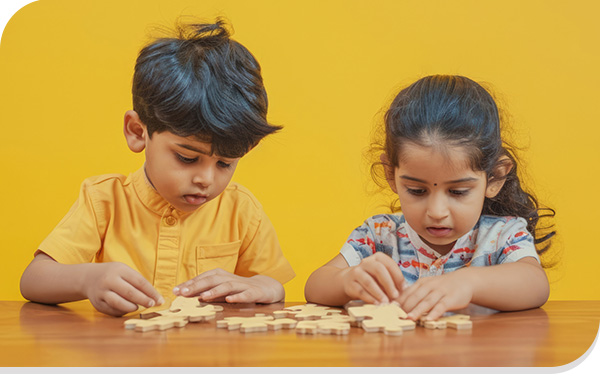
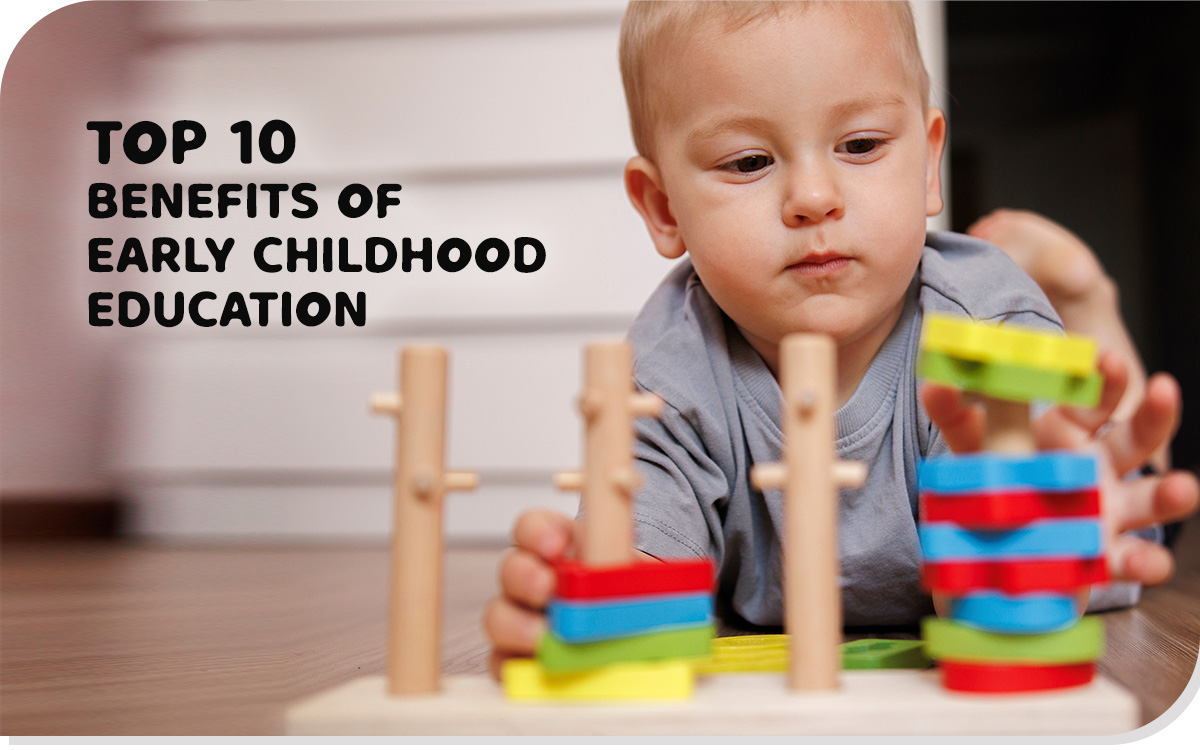
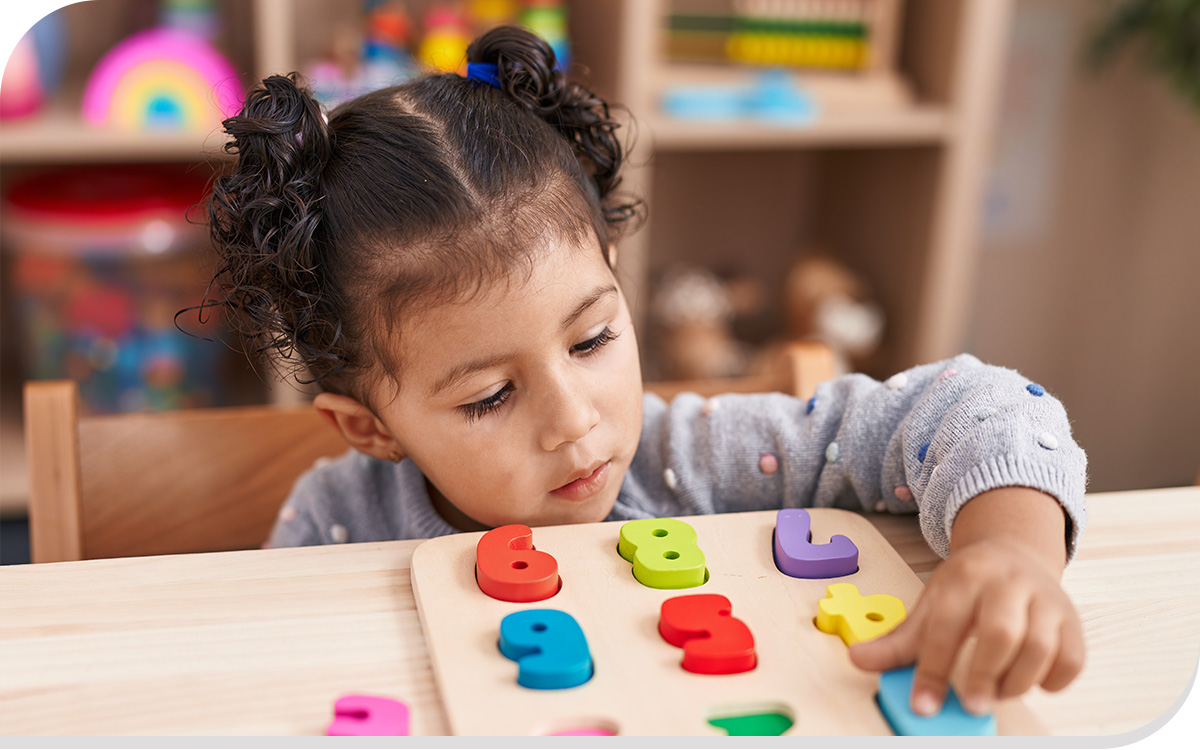
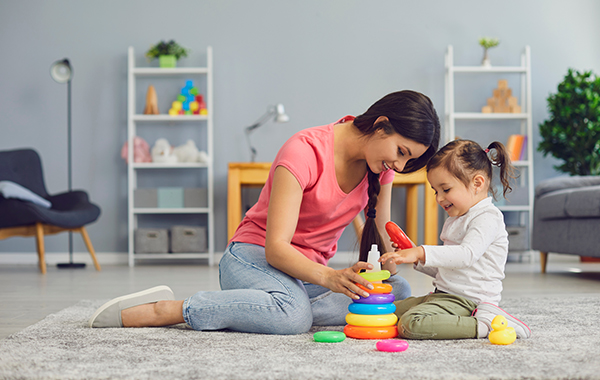
You don’t need expensive setups. A small table with crayons, paper, and building blocks works fine. Rotate materials every few days. Add puzzles one week, stacking cups another. These small changes keep curiosity alive.
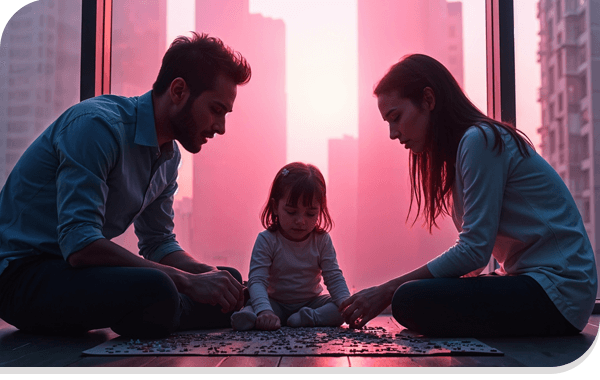
If you’re searching for structured ideas, look into indoor activities for preschoolers, but keep them simple. Children engage better when activities feel playful rather than instructional. Even sorting spoons by size or colour counts as learning.
Social growth doesn’t magically begin at school. It starts in small shared experiences.
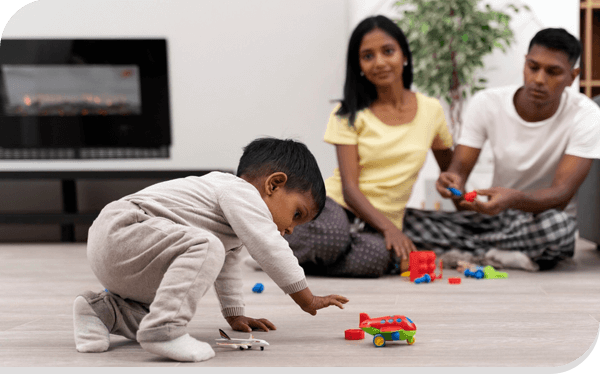
Invite one child over for short play sessions and practice taking turns with board games or simple ball play. Encourage phrases like your turn and my turn.
These everyday moments resemble social skill activities for preschoolers without feeling like lessons. Over time, children begin understanding cooperation naturally. Sharing isn’t instant. It’s gradual. Give it space.
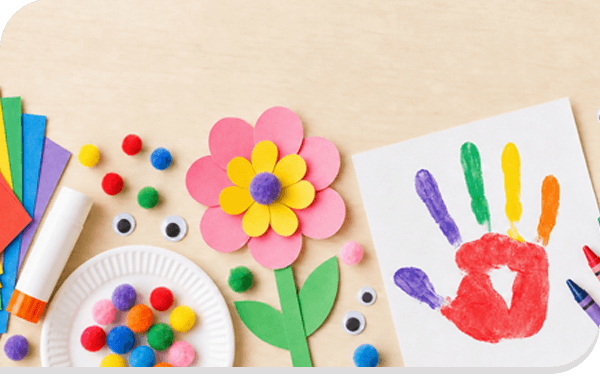
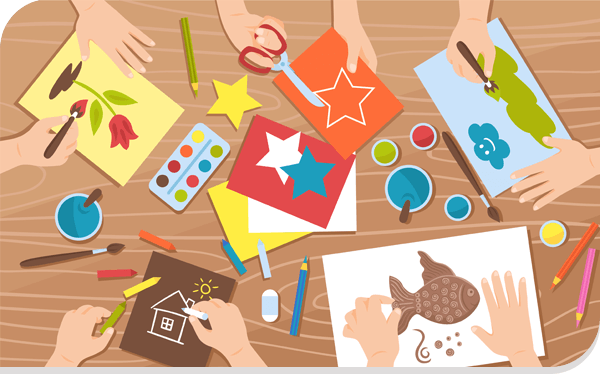
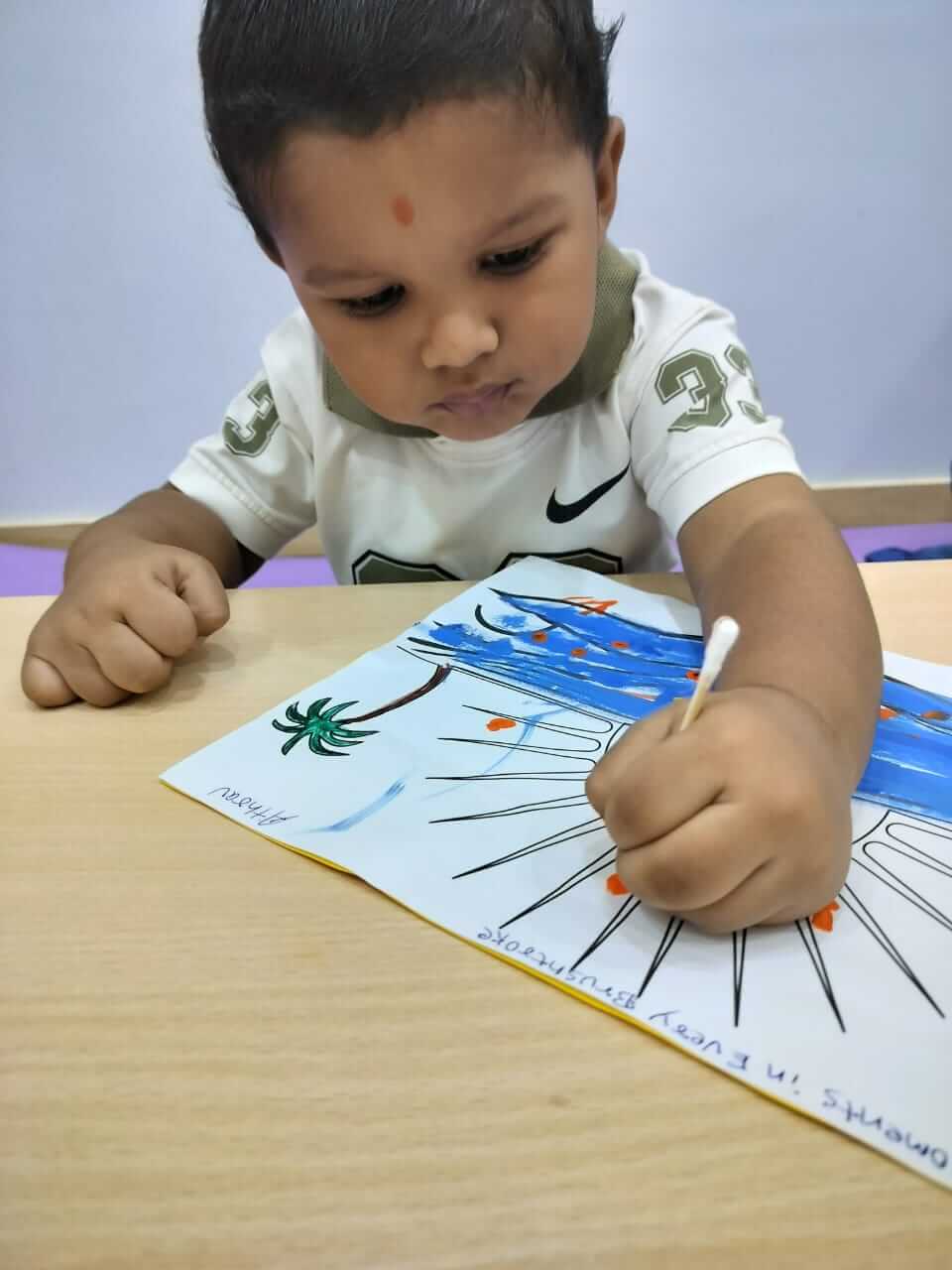
Drawing, tearing coloured sheets, sticking shapes, and making simple collages improve fine motor control. Activities like these fall under preschool craft activities, but at home, they can remain relaxed and unstructured.
Let your child choose colours. Don’t fix uneven lines. Avoid over-directing. When creativity feels safe, children engage longer and with more interest. This focus becomes useful in classroom tasks later.
You can simulate group behaviour at home in subtle ways. During story time, ask your child to sit in one place until the story ends. During meals, encourage waiting until everyone sits down before starting.
These small habits resemble classroom expectations. They are part of an early discipline, not strict control. Families often look for formal early education activities, but consistent daily behaviour teaches just as effectively.
Listening is a foundational skill in preschool settings. Play games like Simon Says or simple instruction-following challenges. Tell your child to fetch certain items from another room. Vary the instructions to make it more interesting.
These fun activities help with concentration and reaction time without adding stress. Children who enjoy listening to games tend to adapt better to teacher-led moments in preschool and daycare.
Preschool brings new emotions. Excitement, frustration, and shyness. Discuss feelings freely at home. If your child is upset, point out the feeling. You’re feeling angry. You’re disappointed. This builds emotional vocabulary.
When children can name feelings, they manage them better. Emotional awareness supports smoother classroom behaviour and peer relationships. It’s one of the most underrated preparation steps.
If a block tower falls, pause before fixing it yourself. Ask, what can we try? When a toy doesn’t work, let your child try to solve the problem first.
Learning to solve problems will help your child build patience and perseverance. Preschool preparation has nothing to do with knowing the alphabet. It has everything to do with learning to calmly handle small problems.
Children don’t need to arrive at preschool fully formed. They just need to arrive comfortable with a small structure, social interaction, and curiosity.
For families exploring nurturing environments, Beginners World focuses on gradual transitions and age-appropriate engagement. That kind of environment works best when preparation at home stays gentle rather than pressured.
If you focus on routine, conversation, independence, and playful learning, you’re already doing enough. By the time your child steps into preschool and daycare, those quiet daily habits will feel familiar. And that familiarity makes all the difference.