The signs of early literacy skillsoften emerge during seemingly small, familiar moments like reading a particular book for three days in a row. You miss a page, and your child immediately catches it. Or you say an unusual word, and they correct you.
It's easy to think they're just being particular. But something else is happening.
They're picking up patterns, sounds, and sequences. That's where it really begins. Not with worksheets or memorising alphabets, but through repeated exposure to language that feels familiar. And most of it happens quietly.
We tend to jump ahead. Letters, sounds, phonics. But children don't start there. They start by listening.
When you read aloud, your child is picking up how language moves. Where a sentence slows down. Where it speeds up. Which words sound similar. Which ones stand out.
You'll notice this when they repeat a phrase exactly the way you said it. Same rhythm. Same tone.
That's not copying for fun. That's how early childhood communication skills begin forming in a natural way, without anyone sitting them down to "practice."
Adults get tired of repetition. Children don't.
When a child asks for the same book again, it usually means they're processing it. They're starting to predict what comes next. They're connecting pieces.
Sometimes they'll say the last word of a sentence before you finish it. Sometimes they'll laugh at the same moment every time.
This repetition works like built-in vocabulary building activities. Words stick because they're heard again and again in context, not explained separately. It may feel slow, but it's actually how understanding builds.
A good story doesn't just hold attention. It makes children think.
You'll see it when they pause and ask, "Why did that happen?" or "What if this changes?" Even when their questions seem unrelated, they're trying to connect ideas.
This is where storytelling supports cognitive development in preschool. Children aren't just following a plot. They're exploring cause and effect, even if they don't have the words for it yet. And when they start predicting what happens next, that's a big step.
At first, children may not sit through an entire story. They get distracted. They flip pages quickly. They walk away halfway.
That's normal. But over time, something shifts. They stay a little longer. They listen more closely. They start asking you to continue instead of stopping.
These are some of the most practical read aloud benefits. Not dramatic, but steady. Attention grows because the experience feels engaging, not forced. And once that habit builds, it carries into other areas of learning.
Before a child reads a word, they recognise how it sounds. Rhymes are a good example.
Children enjoy them even when they don't fully understand them. They repeat patterns because they sound interesting.
This is the beginning of phonemic awareness activities, though it doesn't feel like an activity at all.
If a child notices that "cat" and "hat" sound similar, that's a foundation for reading later. No explanation needed. Just exposure.
Reading doesn't have to be quiet. In fact, it works better when it isn't.
Pause during a story and ask something simple. What do you think will happen next? Why is this character upset?
Sometimes the answer will make sense. Sometimes it won't. That's fine.
The point is involvement. These small moments turn reading into one of the most effective preschool learning activities, because the child is actively thinking, not just listening.
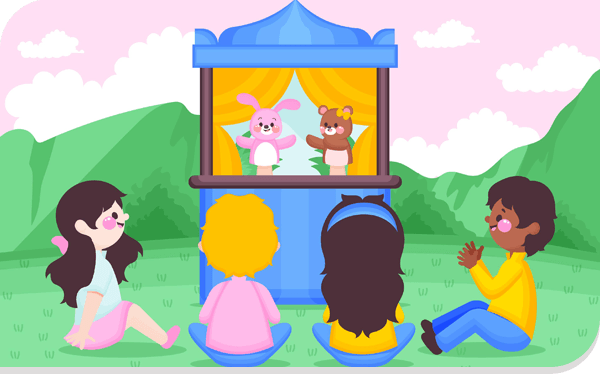
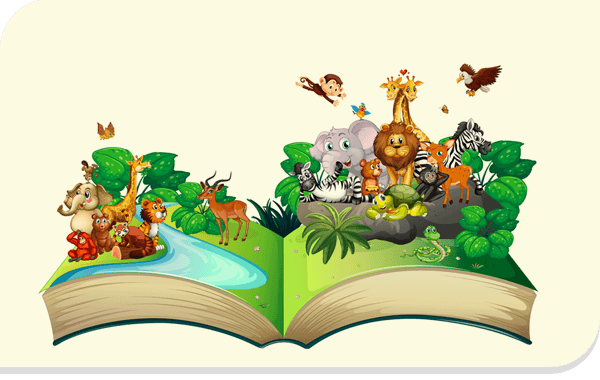
Children don't separate stories from play. If they hear a story about animals, they might act it out later.
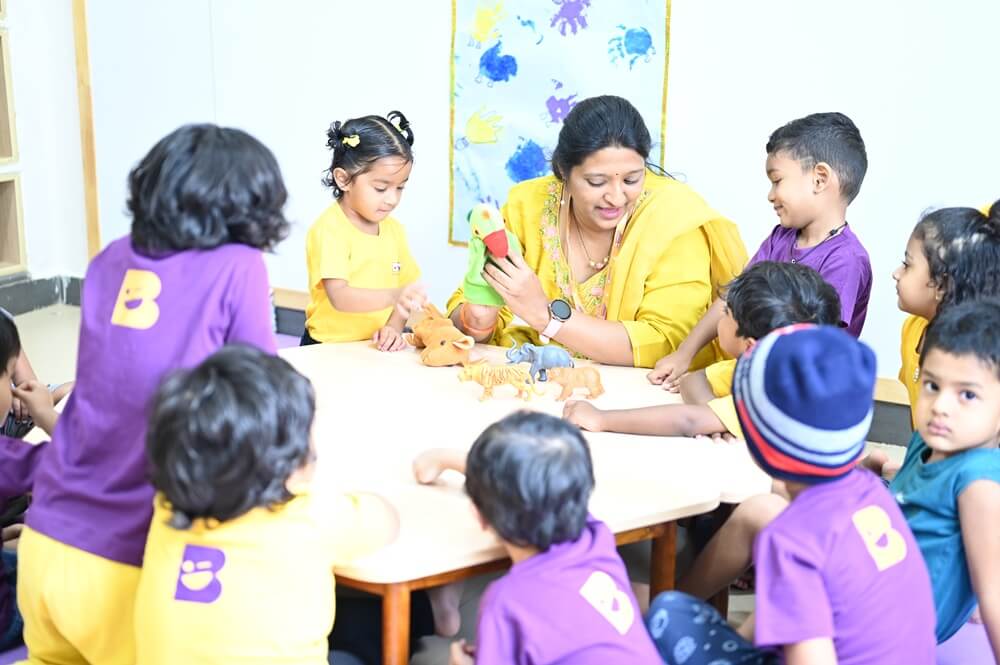
If they hear about a character, they might recreate it with toys. These are natural storytelling games for preschoolers, even if no one labels them that way.
And they connect directly to broader literacy activities for preschoolers, where understanding grows through action, not instruction.
A story doesn't end when the book closes. It continues in how the child uses it.
Something else happens over time. Books stop feeling new. They become familiar.
A child knows where a story begins. They remember certain pages. They develop preferences. This familiarity builds comfort, which makes learning easier.
In many homes, especially within evolving early childhood education india settings, this kind of early exposure isn't always consistent. But even small habits, like reading one story a day, can create that connection.
You don't need a large collection. Just consistency.
A lot of parents worry about this. Am I reading correctly? Should I follow every word? What if I skip something?
Honestly, it doesn't matter as much as you think. You might pause in the wrong place. Change a sentence. Get interrupted halfway. That's normal.
What matters is that the child is engaged. Sometimes, the best moments happen when the story goes off track.
From the outside, reading a story feels simple. But underneath, multiple things are happening at once.
Listening improves. Vocabulary expands. Attention increases. Thinking becomes more active.
And all of this contributes to early literacy skills without making it feel like a lesson. That's the difference.
Reading doesn't begin with recognising words. It begins with hearing them, repeating them, and connecting them to meaning.
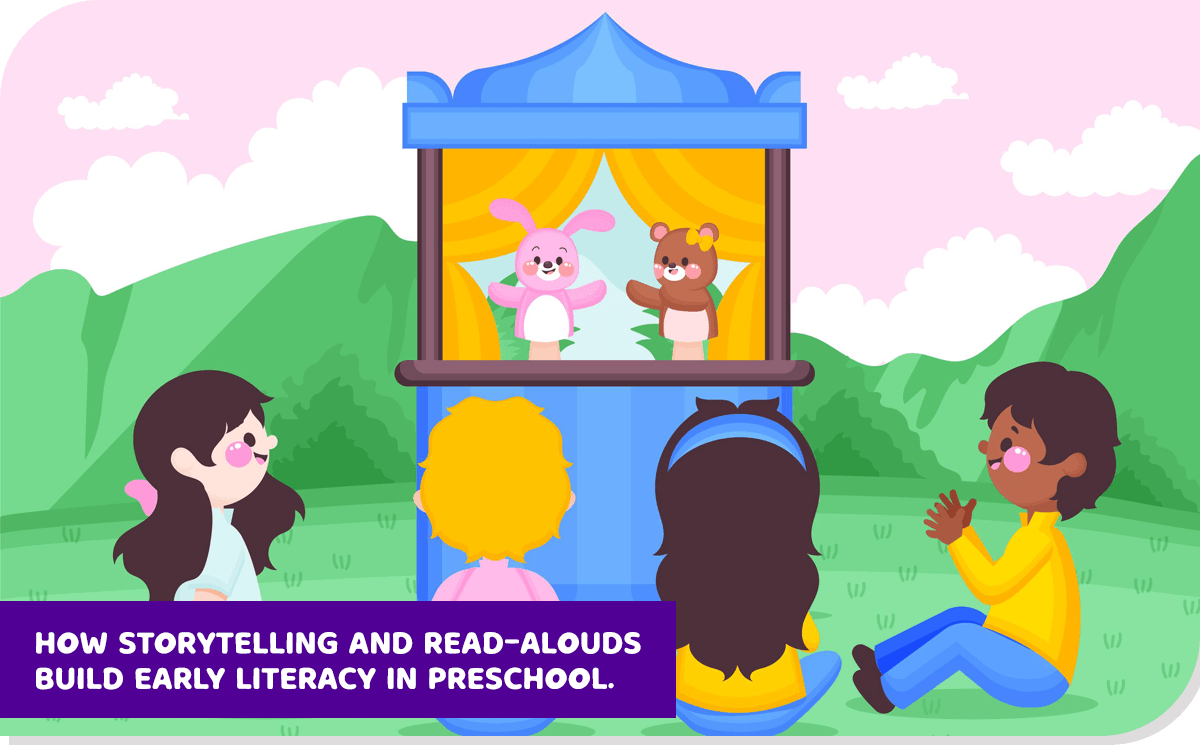
Storytelling and read-alouds create that starting point. If your child interrupts you during a story, asks questions, or insists on hearing the same book again, that's not a problem.
That's the process working. And over time, those small, repeated moments build strong early literacy skills that carry forward into everything else they learn.
For families exploring supportive learning spaces, Beginners World Preschool includes storytelling and read-aloud sessions as part of daily routines. This allows children to engage with language naturally, rather than being pushed into formal learning too early.