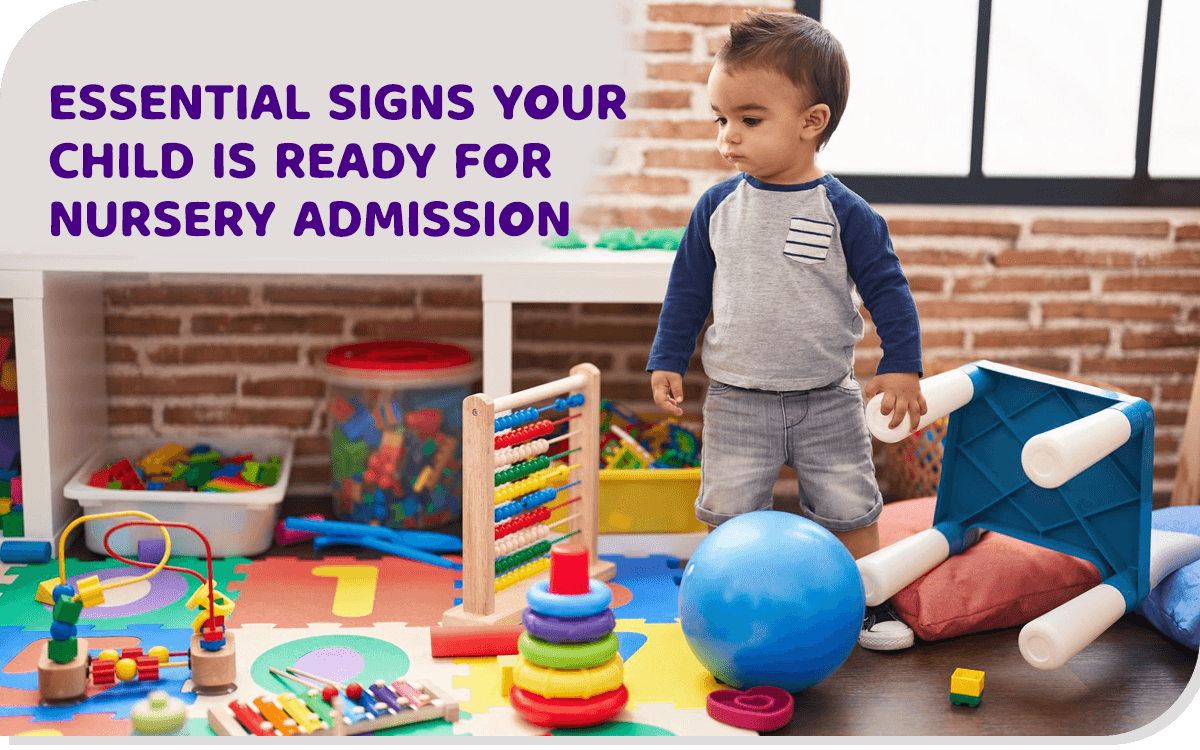
Every parent reaches this point quietly. You watch your child one morning and think, maybe it’s time. Maybe they’re ready for something more structured. Then the questions begin. Are they too young? Too attached? Too energetic? Or perfectly fine?
When families start exploring schools for nursery admission, the biggest confusion isn’t paperwork. It’s readiness. Let’s slow this down and look at what readiness actually means in real life, not just on a form.
Readiness doesn’t mean complete independence. It means small attempts. Your child may try putting on shoes alone, insist on carrying their own water bottle, or attempt to tidy toys without being told twice.
These small gestures matter more than flawless behaviour. Nursery classrooms aren’t looking for perfection. They’re looking for willingness. If your child shows curiosity about doing things by themselves, that’s often a strong sign. These everyday efforts show growing confidence and readiness for shared classroom responsibilities.
Many parents searching for schools for nursery admission assume independence must be advanced. It doesn’t. It just needs to be emerging.
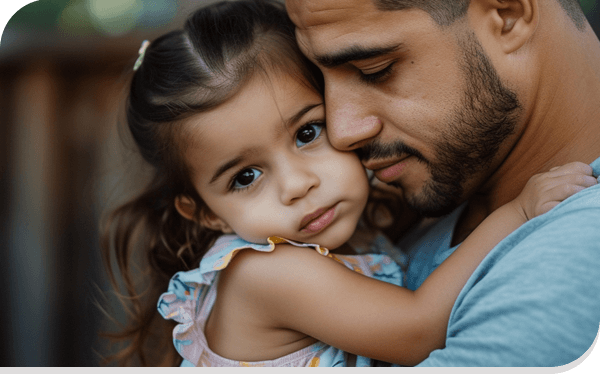
Separation anxiety is normal. In fact, it’s healthy. But observe how your child reacts when you step away briefly. Can they settle after a few minutes with a familiar adult? Do they eventually engage in play?
If they recover after initial discomfort, that’s a positive indicator. Nursery environments understand transition phases. The ability to calm down matters more than the ability to stop crying. Testing through incremental steps establishes trust, which enables people to handle longer periods of separation with increasing ease.
Children who gradually manage short separations tend to adjust better during nursery admission transitions.
Your child doesn’t need full sentences. But they should be able to express basic needs in some way. Words, gestures, pointing, or simple phrases all count. Can they indicate hunger? Discomfort? The need for help? Communication builds confidence in classrooms. It also reduces frustration. Even simple attempts at expression reduce confusion and build classroom confidence.
Strong communication is part of natural early childhood development, not forced training. If your child attempts to express thoughts, even imperfectly, that’s progress.
Watch what happens at parks or family gatherings. Does your child observe other kids? Try joining them? Imitate their actions?
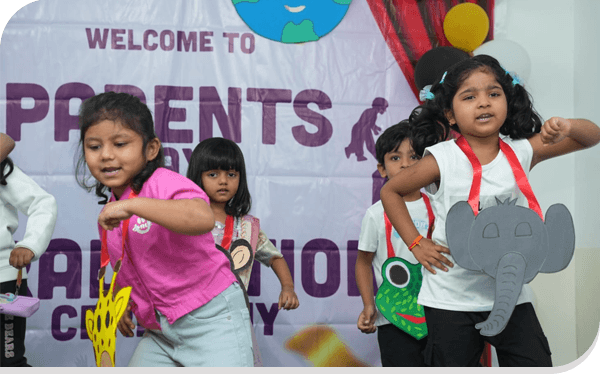
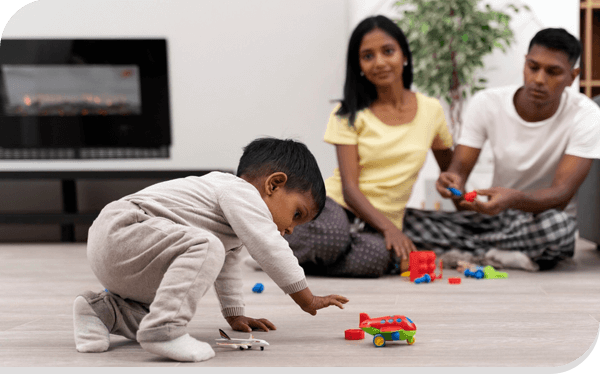
Interest doesn’t have to mean immediate sharing. Even parallel play, where children play side by side without direct interaction, is developmentally appropriate. Curiosity about peers lays the groundwork for cooperation and shared learning experiences.
Give me the ball.
Come here.
Let’s clean up.
If your child understands and responds to simple instructions most of the time, that’s enough. Nursery teachers work with short, clear directions. A child who can process these cues will feel less overwhelmed. This responsiveness helps children transition smoothly between different classroom activities.
This is one of the practical yet overlooked aspects parents consider while reviewing schools for nursery admission options.
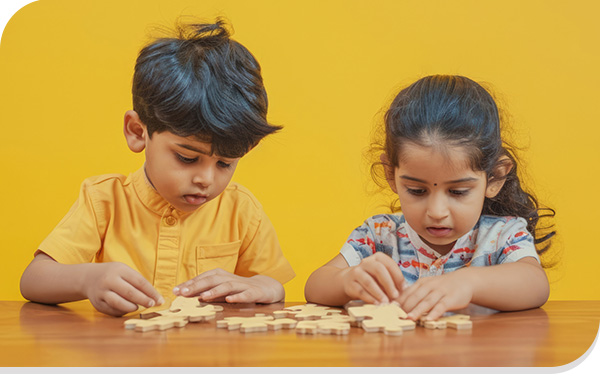
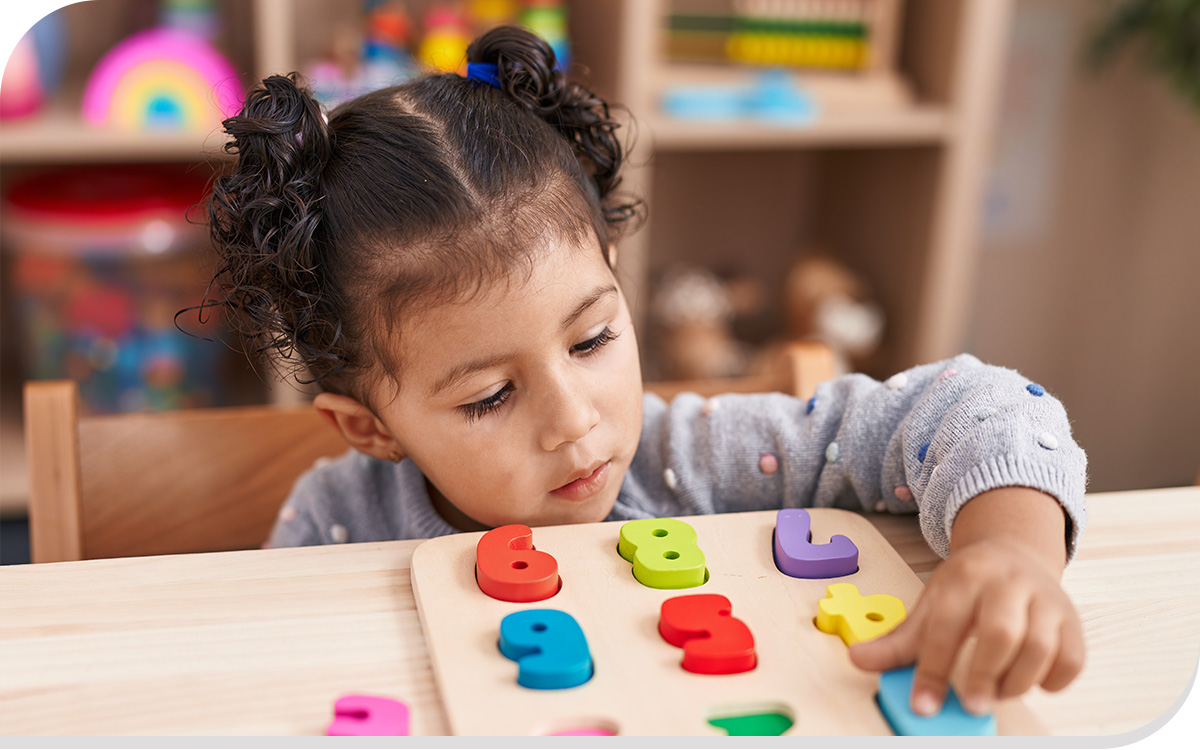
Preschool-aged children don’t sit still for long, and they shouldn’t be expected to. But notice if your child can focus on a story, puzzle, or activity for even five to seven minutes.
Short attention spans grow naturally in structured group environments. The key is initial willingness to engage. Small stretches of focus today become stronger learning habits tomorrow.
These early patterns connect closely with broader early childhood education foundations, where learning is guided but not forced.
Toddlers have big emotions. That’s normal. What signals readiness is recovery. After frustration, can your child calm down with reassurance? Do they return to play? Nursery classrooms are not emotion-free zones. They are learning spaces. Teachers expect feelings. They simply look for children who can gradually respond to comfort and guidance. Recovery after emotions matters more than avoiding emotional moments entirely.
Understanding this makes evaluating nursery admission eligibility less stressful for parents.
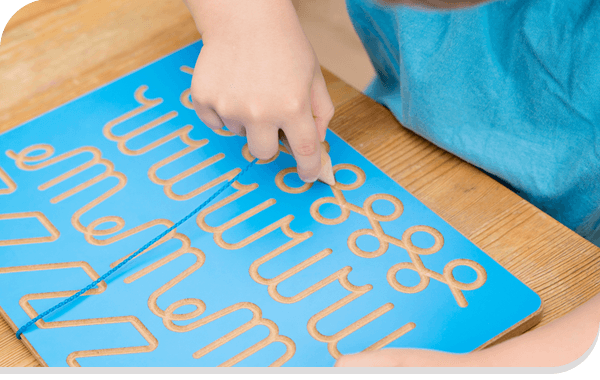
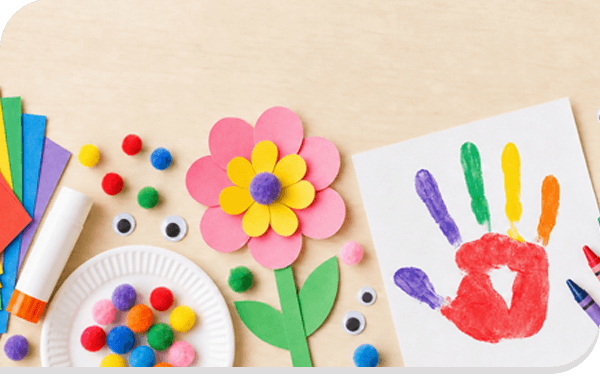
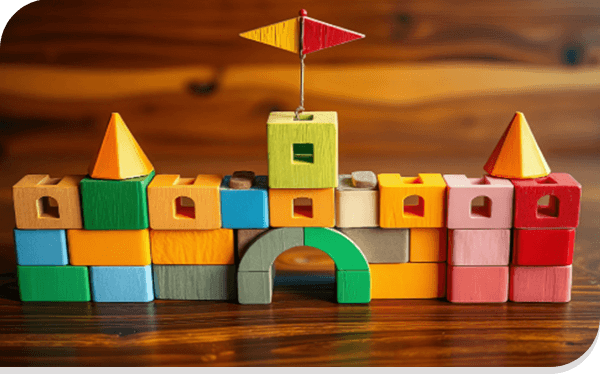
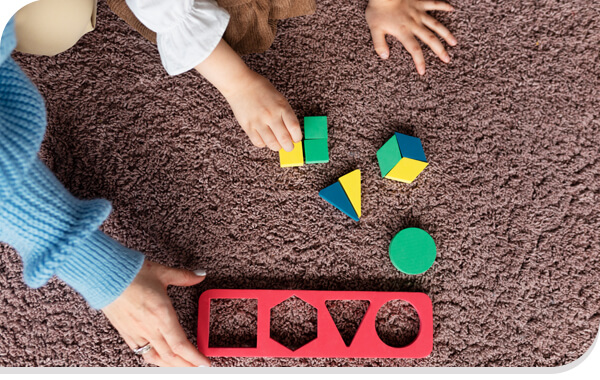
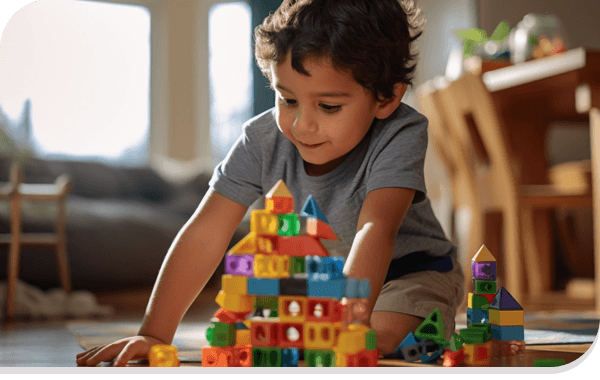
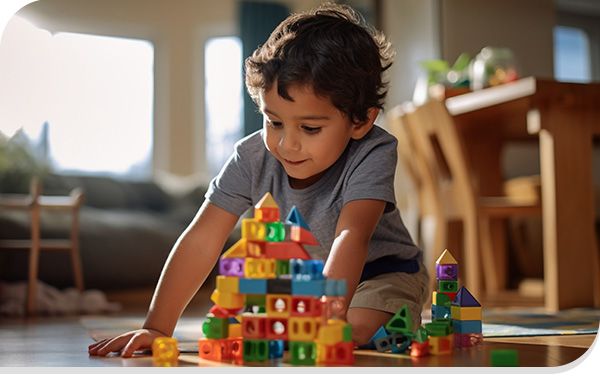
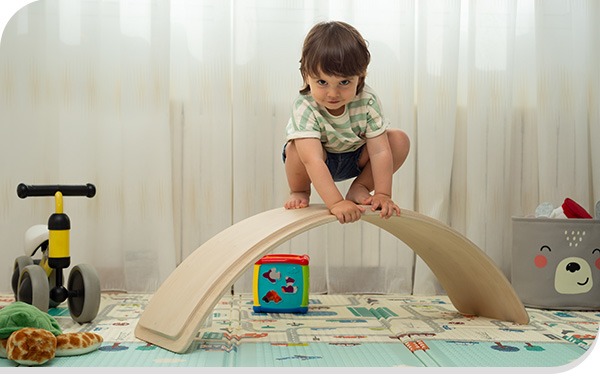
Basic motor skills play a role. Walking steadily. Climbing small steps. Holding crayons with some control. The requirements exist as guidelines that assist students in navigating classroom activities. Your child develops readiness skills through drawing, stacking blocks, and playing with playground equipment. The ability to move freely enables students to take part in both organized activities and unstructured playtime.
Many parents worry about the exact cut-offs. What is the correct preschool admission age? Is their child too young by a few months?
Age policies vary across institutions, but readiness isn’t only numerical. Some children show maturity earlier. Others take a little longer. Maturity and temperament often matter more than exact birthdate calculations.
It helps to balance official nursery admission eligibility criteria with your personal observation. You know your child’s temperament better than any checklist.
Perhaps the strongest indicator is curiosity. Does your child ask questions all the time? Investigate new objects? Get thrilled with seeing books, songs, or group play?
Curiosity flourishes in a nursery environment. A child who is eager to explore is likely ready to take advantage of deliberate exposure. A curious mind is quick to adjust to new learning settings and sequences.
Parents researching schools for nursery admission often focus on facilities first. But internal readiness matters more than colourful classrooms.
There is no perfect moment. There is a suitable one. If you see gradual independence, basic communication, growing curiosity, and some comfort with separation, your child is likely ready. Steady preparation eases the transition for both children and families alike.
For families considering supportive environments, Beginners World programs focuses on gradual transitions rather than abrupt changes. That approach often helps children settle without pressure.
Nursery isn’t about rushing childhood. It’s about expanding it gently.
If you’re exploring schools for nursery admission, observe more than compare. Watch your child in daily life. Notice patterns. Trust consistent patterns more than occasional bursts of progress or hesitation.
Readiness rarely arrives loudly. It appears quietly, in small actions repeated over time.