Walk into a nursery classroom, and it doesn't look like "learning" in the traditional sense. No long lectures. No heavy books. Instead, you'll see children moving, talking, building, sometimes even arguing over a toy. And somehow, in the middle of all that, learning is happening.
For parents exploring a nursery in Hyderabad, this can feel confusing at first. It doesn't look structured. But there's a method behind it. These activities are designed to match how young children actually learn, not how adults think they should.
Let's take a closer look at what really goes on.
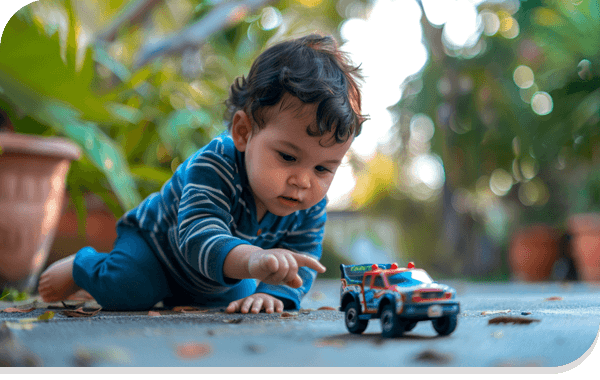
The biggest shift in nursery education is this: learning happens through play.
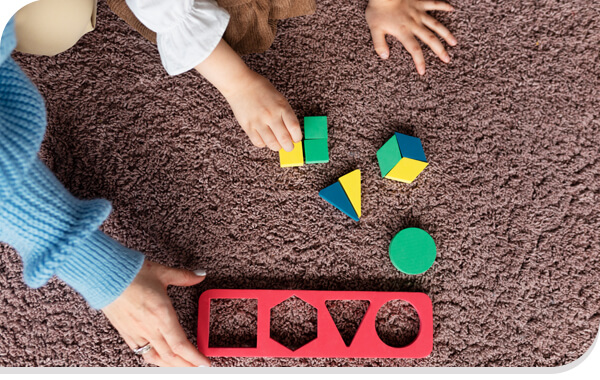
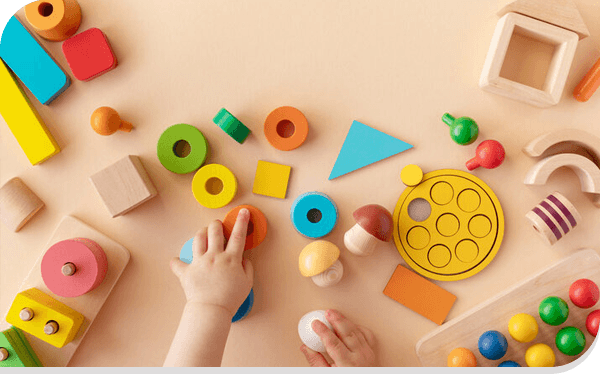
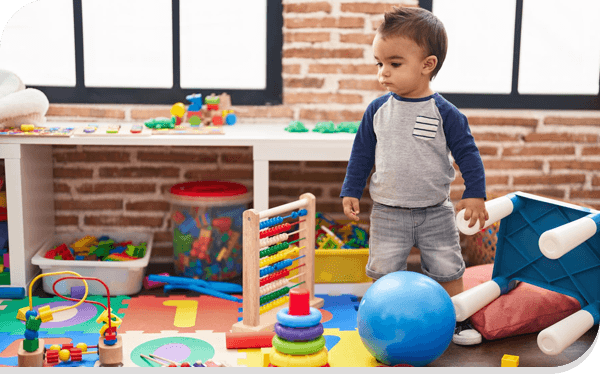
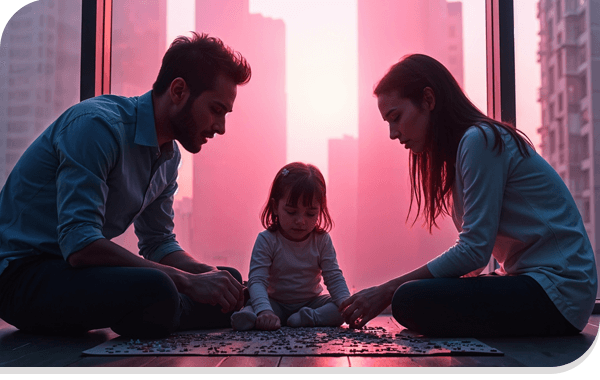
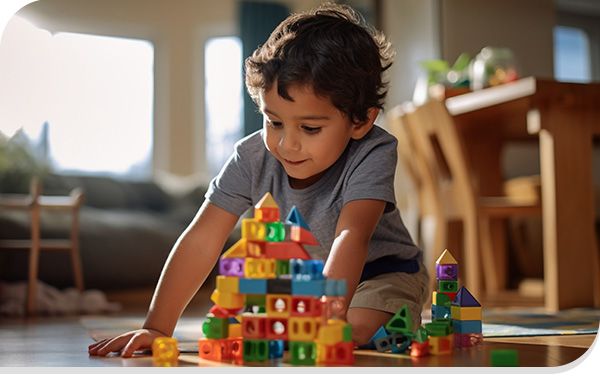
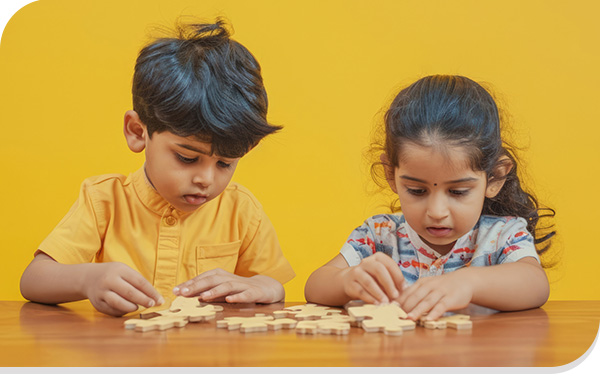
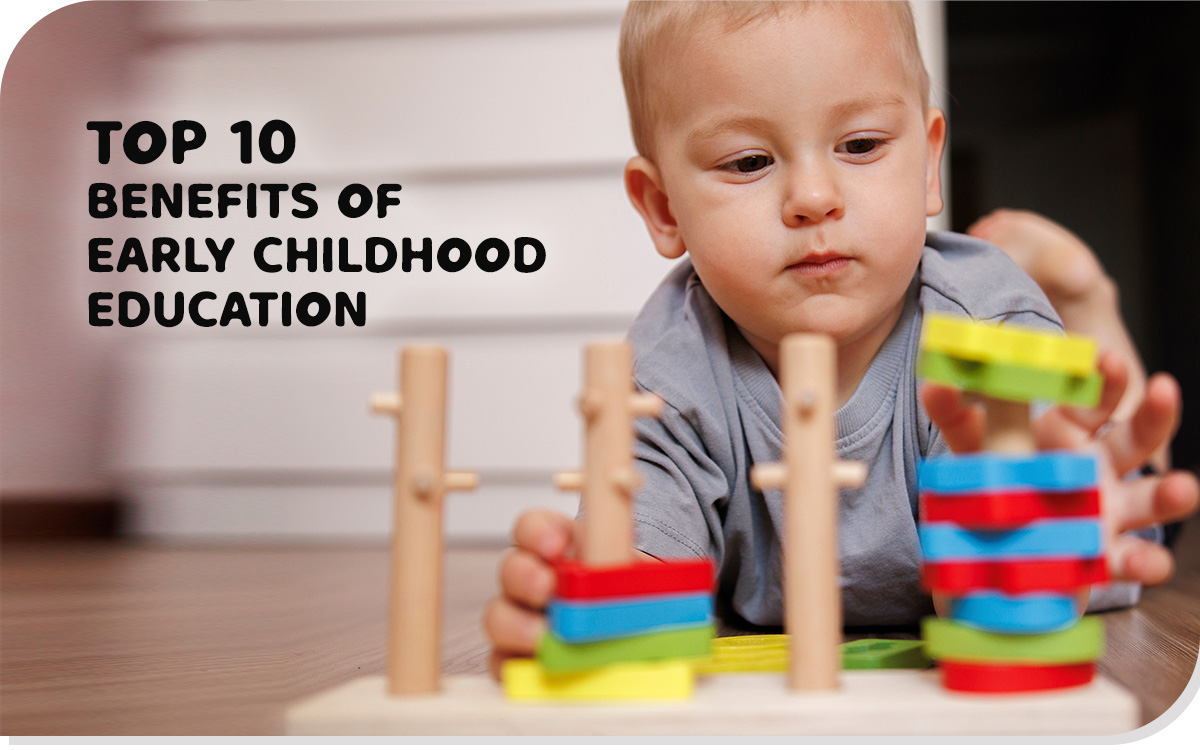
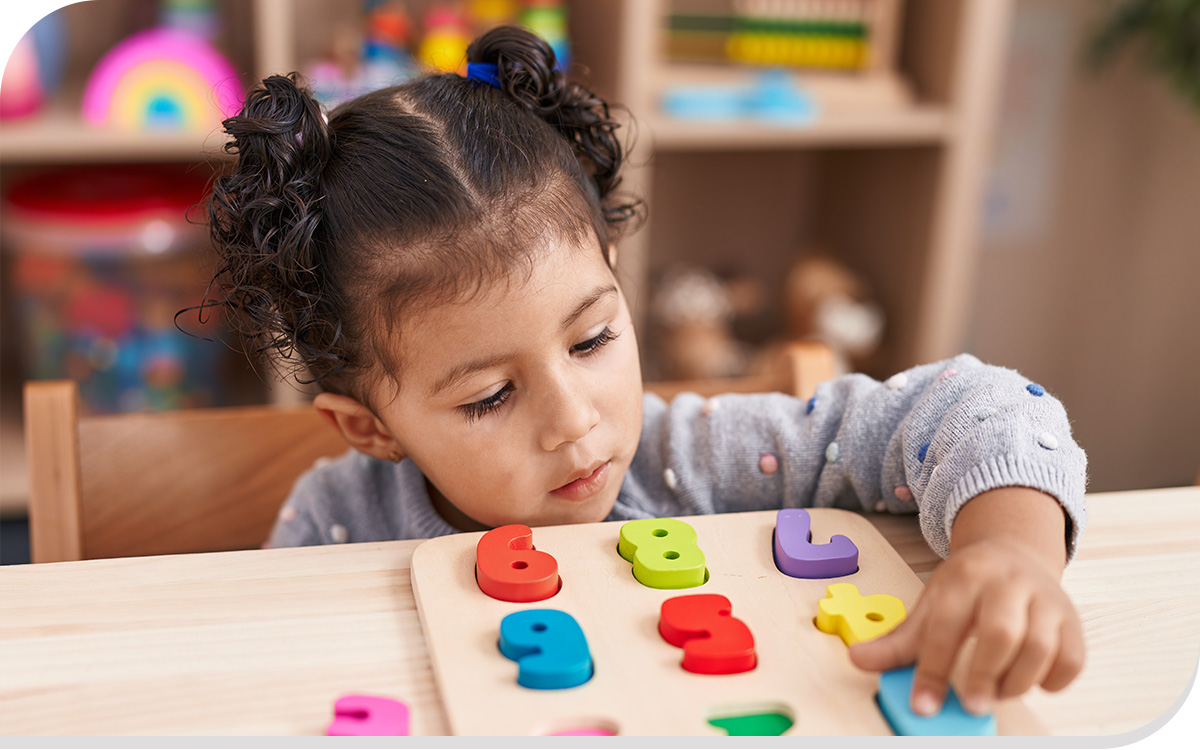
Children don't sit down to "study" colours or numbers. They discover them. Sorting blocks. Matching shapes. Playing with puzzles. These are simple early childhood learning activities, but they build problem-solving skills without forcing attention.
A child who enjoys the process learns faster than one who is made to sit still. That's why classrooms feel active. Movement isn't a distraction. It's part of the system.
Circle time looks simple. Children sit together, sing songs, listen to stories, and maybe answer a few questions. But underneath that, a lot is happening.
Children learn to wait for their turn. Speak in front of others. Listen when someone else is talking. Even sitting in a group without wandering off is a skill at this age.
These sessions are often built around preschool education activities that combine language, rhythm, and interaction. Over time, children who were once quiet start participating more naturally. It doesn't happen in a day. But it happens.
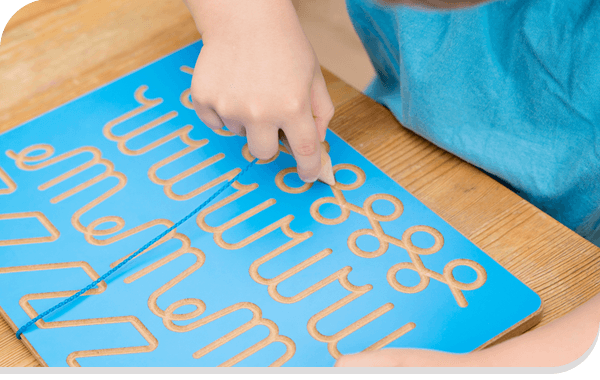
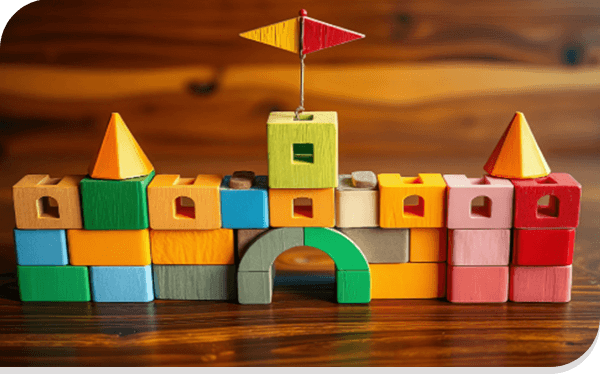
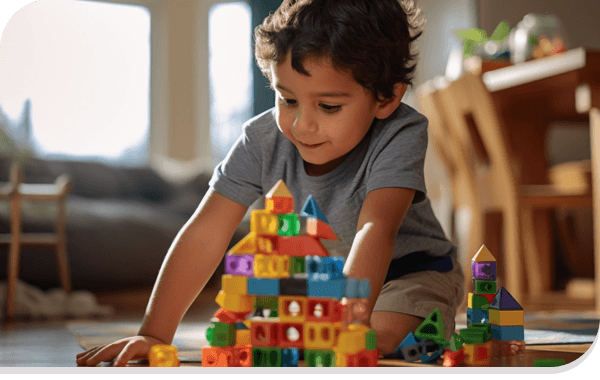
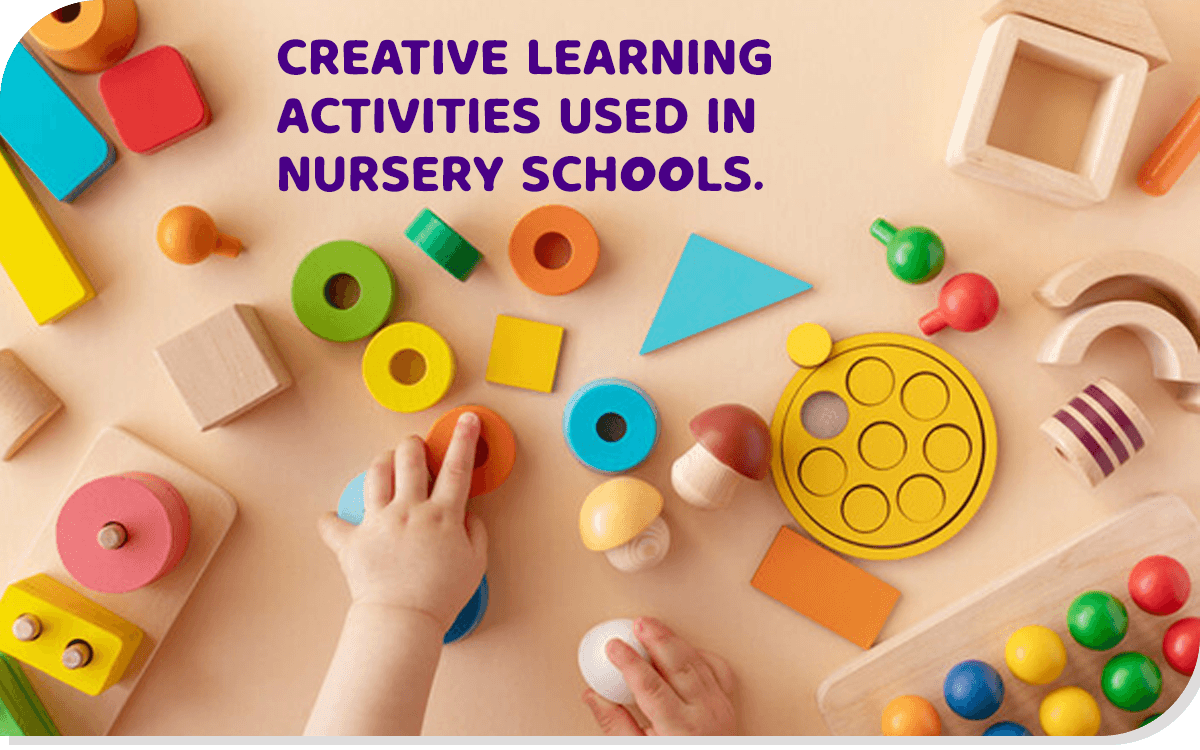
Nursery classrooms use a lot of hands-on material. Beads, blocks, clay, sand, and water play. It may look messy, but it's intentional.
These are part of preschool cognitive development activities. When children stack blocks or figure out how to fit shapes into spaces, they're building logic and coordination.
They're also learning cause and effect. What happens if I push this? Why does this fall? How can I fix it? These small experiments matter more than memorising answers.
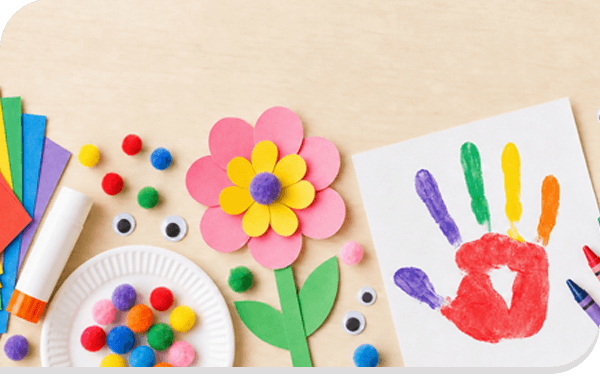
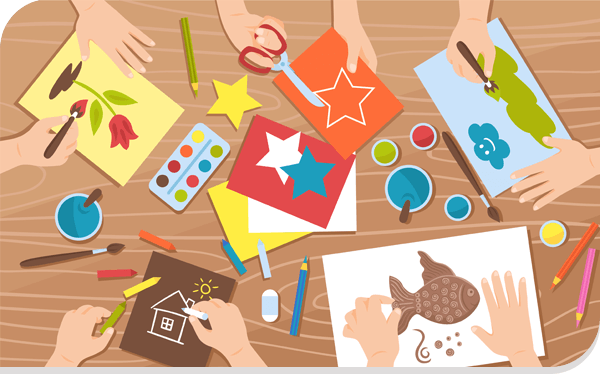
Art in nursery isn't about neat drawings.
It's about expression. Children use colours freely. Sometimes they mix everything into one shade. Sometimes they scribble. That's fine.
Painting, colouring, tearing paper, and sticking shapes all fall under simple preschool activity ideas that encourage creativity. More importantly, they allow children to express thoughts they can't yet put into words. There's no "correct" outcome here. And that's the point.
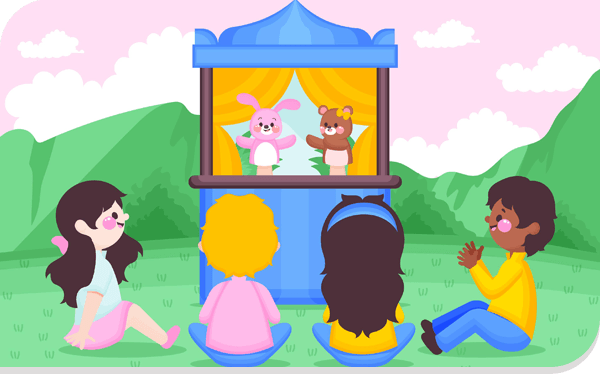
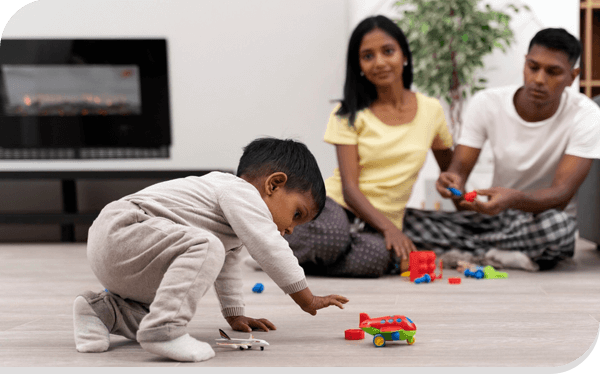
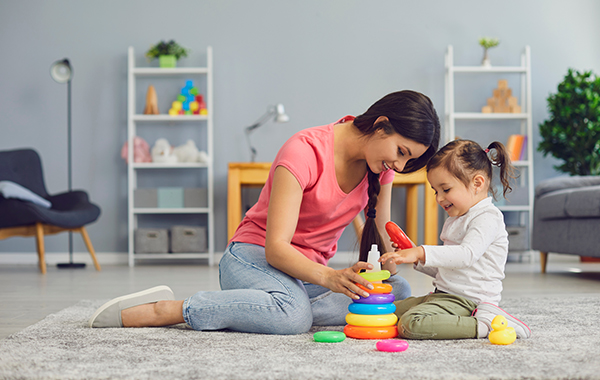
Group games are a big part of nursery classrooms. Passing a ball, building something together, and role-playing small scenarios. These are structured as preschool interactive games, but they feel like play.
Through these, children learn cooperation, patience, and basic conflict resolution. They begin to understand that other children have ideas too. Not every interaction goes smoothly. That's part of learning.
Storytelling happens every day. Songs repeat. Rhymes come back again and again.
Repeating stories helps kids learn. Adults may think it's a waste, but it helps with memory and language. Teachers stop during a tale to ask questions or let kids guess what comes next. This keeps children interested. These routines grow their word use in a natural way. Kids don't feel like they're being forced to learn. The thing is, this process happens quietly. The learning is slow and steady. But it builds skills without pressure.
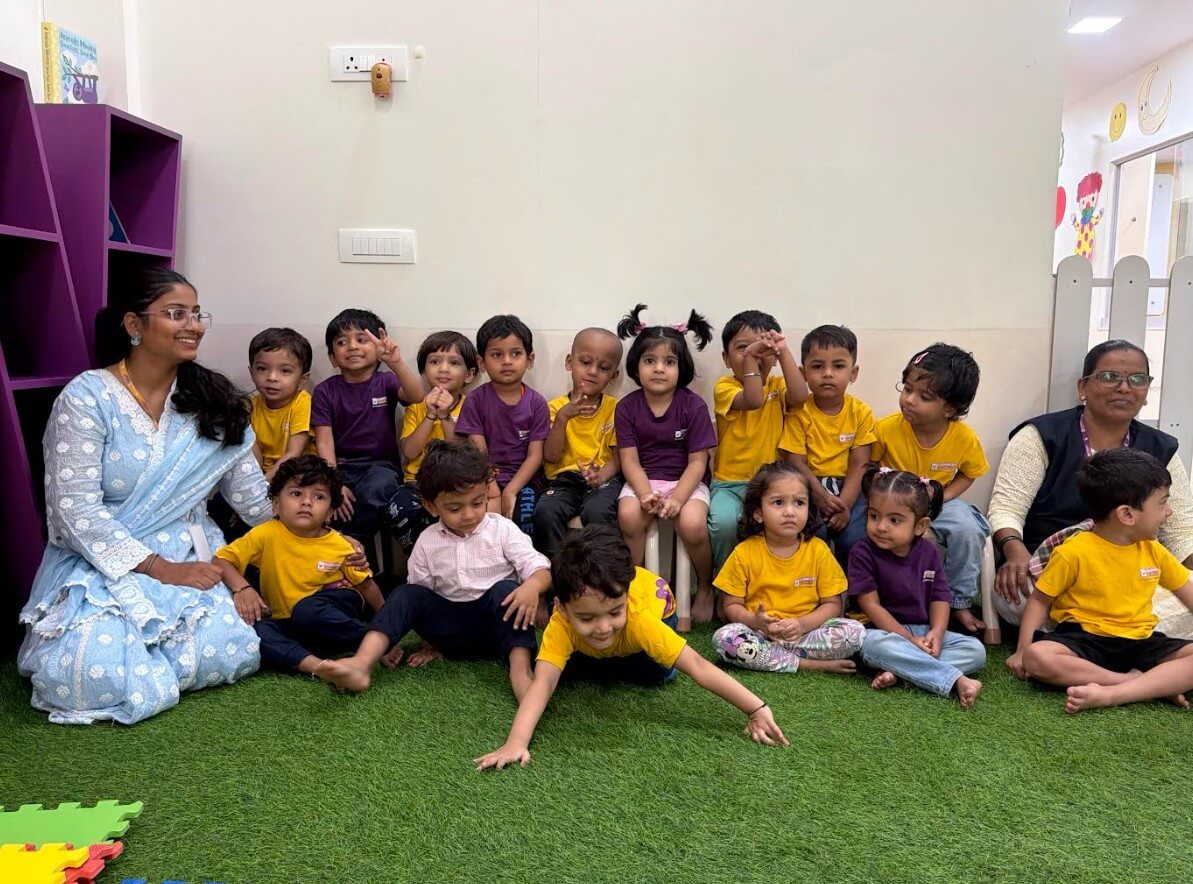
Nursery classes usually have a flexible schedule. Not rigid, but steady. Snack time, play time, story time, nap time. These constantly repeated cycles not only help kids get a feeling of safety, but also help them start to predict what will happen next.
Besides, routine unknowingly conveys to children the concept of responsibility. Simple things like hand washing before a meal, putting things away after use, and waiting for one's turn.
Parents often look at preschool admission requirements and focus on age or documents. But readiness is often about how comfortable a child is with basic routine.
Water play. Sand play. Playing with textured materials. These aren't random. Sensory activities help children explore the world physically. They build awareness of touch, movement, and space.
Some children enjoy messy play. Others take time. Both are normal. These experiences support emotional regulation as well. Many children calm down when engaged in repetitive sensory tasks.
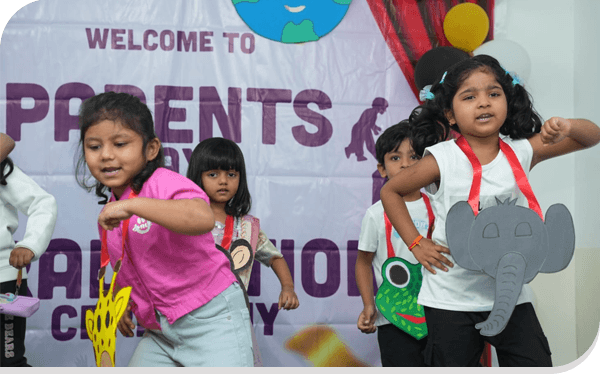
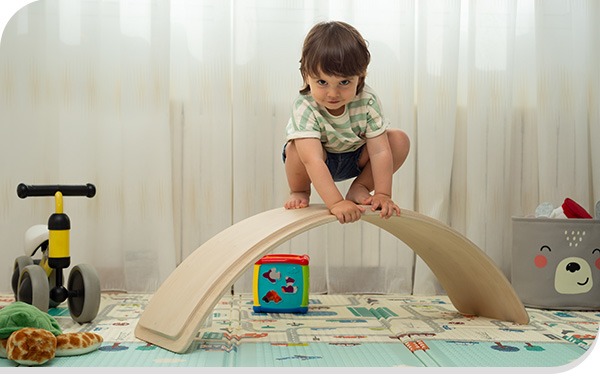
Children aren't expected to sit still for long. Nursery schools include jumping, running, balancing, and dancing as part of daily activities. Movement supports coordination and energy release.
It also improves focus. A child who moves freely is more likely to sit calmly during quieter activities later. This balance is what makes the classroom feel natural, not forced.
If you step back, you'll notice a pattern. Every activity connects to a skill. Play builds thinking. Stories build language. Games build social skills. Art builds expression. Routine builds discipline. None of it feels like traditional learning. But together, it creates a strong foundation.
Parents visiting a nursery in Hyderabad sometimes expect visible results immediately. Writing. Reading. Counting. But early education works differently. It focuses on how children think, not just what they know.
Creative learning in nursery isn't about doing more. It's about doing things differently.
If something seems like play, it often shows children are interested and ready to learn. Parents looking at a nursery in Hyderabad may find this model simpler to accept. What appears basic can actually offer the deepest benefits.
Beginners World Preschool keeps lessons fun, safe, and suited to each child's age. It avoids pushing kids too hard or setting high expectations. Learning starts when children are relaxed and active, and that approach matches what young children naturally enjoy.