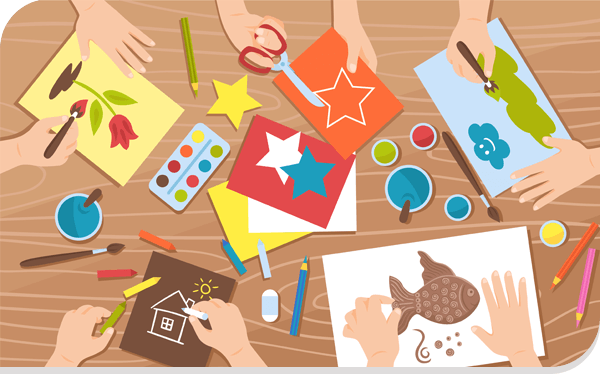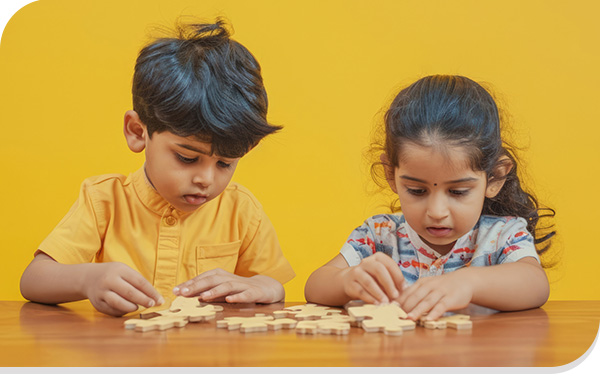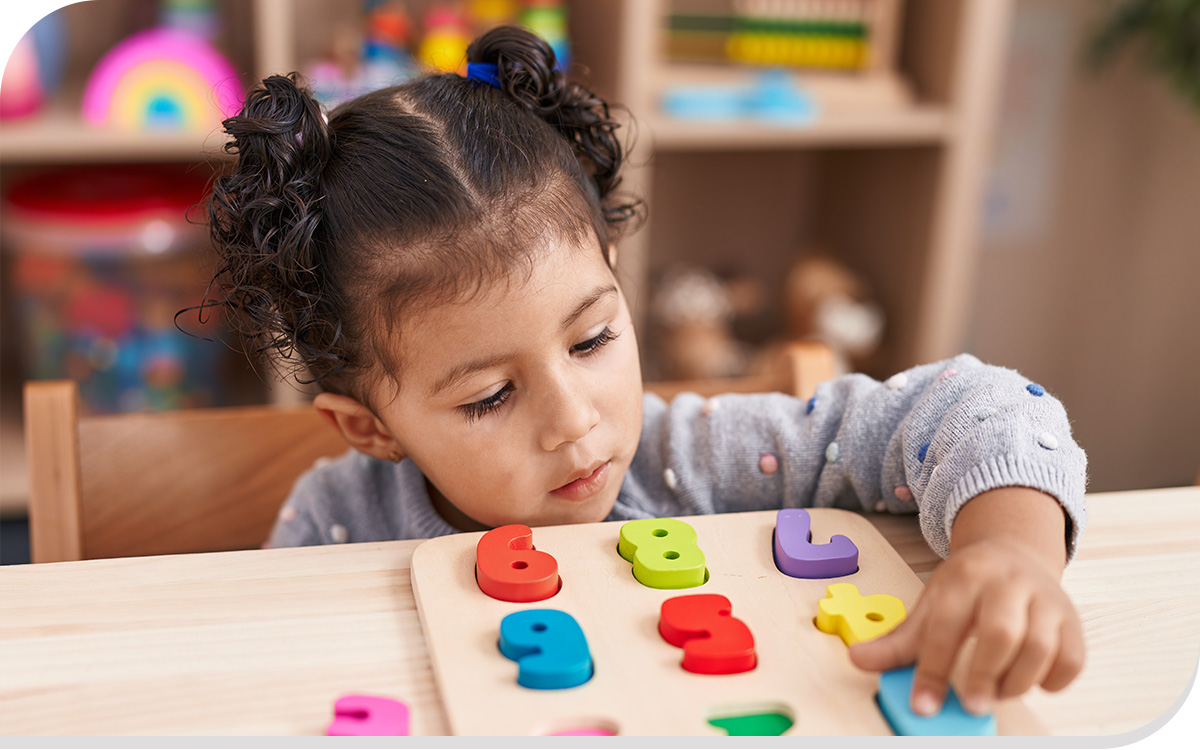
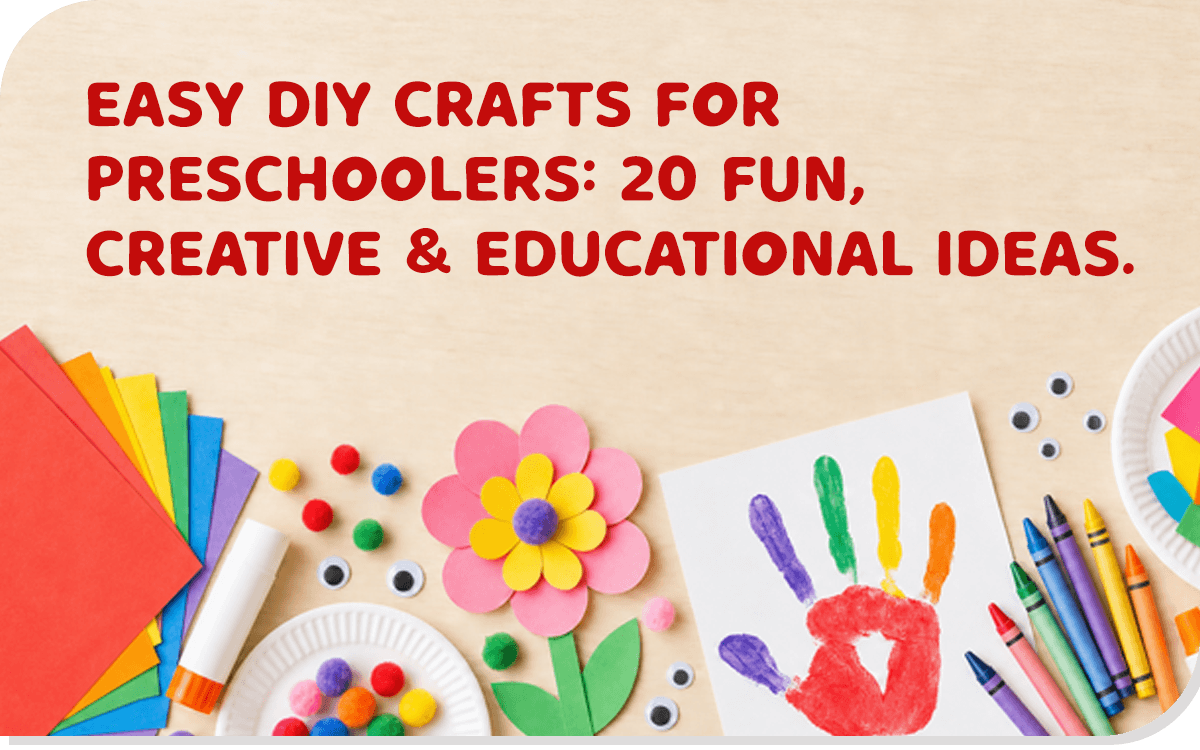
Hand a young child a few sheets of paper, some crayons, glue, and a pair of safety scissors, and they rarely ask what to make. They simply begin. That's one reason DIYCrafts for Preschoolerscontinue to be one of the easiest ways to keep children engaged while helping them learn at the same time.
Creative activities also give children the freedom to explore without worrying about getting the "right" answer. Every child approach art differently, and that's exactly what makes it valuable.
Learning is very different during childhood. Children comprehend concepts through actions such as touching, manipulating, folding, pasting, colouring, and experimenting.
Craft activities help develop creativity and at the same time improve skills like patience, observation, and problem-solving. Parents tend to emphasize academics only; however, creative activities add equally to early childhood education, especially if kids are motivated to discover rather than imitate.
Process is very important in comparison with results.
Paint a paper plate yellow or orange and glue paper strips around the edge for a mane. Children can draw funny faces, colourful noses, or even add googly eyes to give every lion its own personality.
Skip the scissors and let children tear coloured paper into small pieces. Glue them into a rainbow while improving finger control without making it feel like practice.
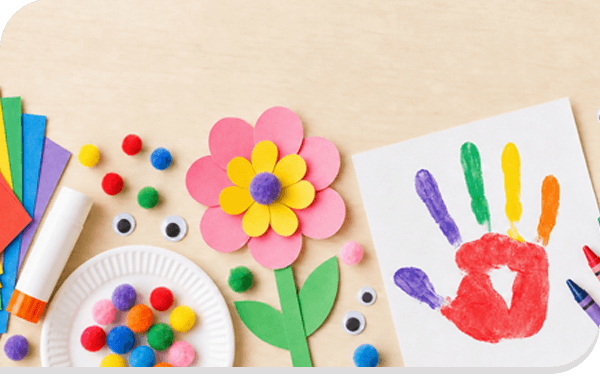
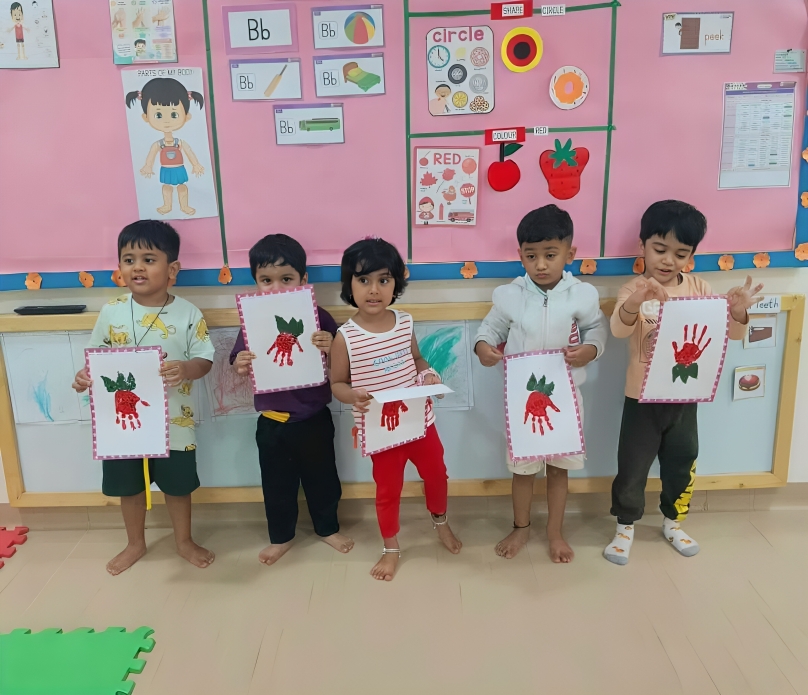
Dip little hands into washable paint and press them onto paper. Add stems and leaves later to turn each handprint into colourful flowers that become lovely keepsakes.
Collect some interesting leaves on a stroll, paint one side, and press them onto paper. Each imprint carries its own pattern that kids will be thrilled to discover. This is a great example of craft ideas with paper.
Decorate paper cups with crayons, yarn, and paper eyes before giving each puppet a name. The project becomes an automatic storytelling game and a role-playing fun.
Stick cotton balls to blue paper to make clouds, sheep, and snowmen. It doesn't have the correct answer, making it fun for everyone.
Paint the sticks in bright colours and assemble the simple frame. Kids like decorating their favourite family photo frame made by them.
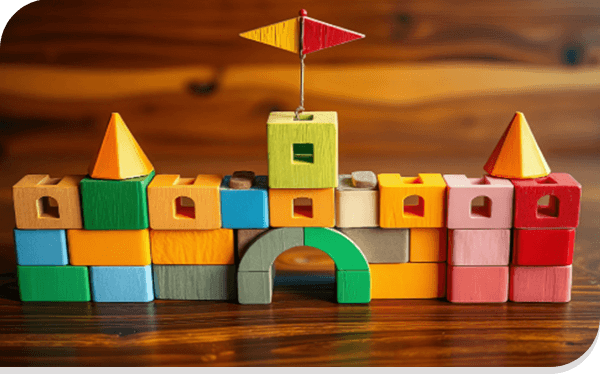
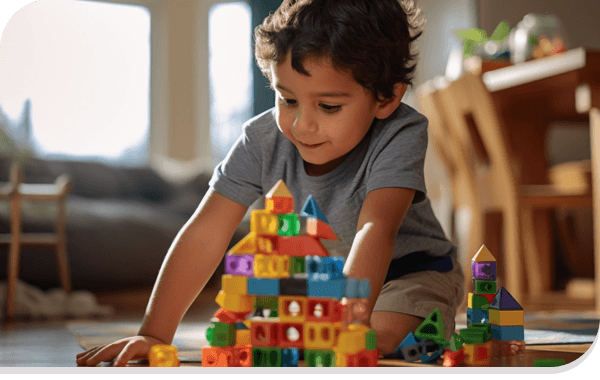
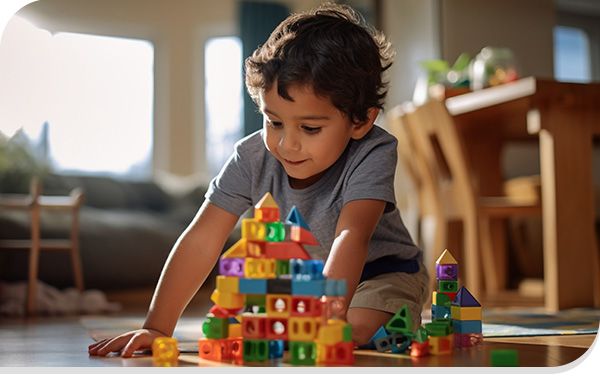
Cut various colourful circles, squares, triangles, and rectangles. Kids can make houses, castles, and rockets using their imagination and cognitive skills for preschoolers.
Cut the kitchen sponges into simple shapes, stick them in the paint, and decorate your paper with various designs.
Collect various leaves, flower petals, twigs, and seeds on a stroll. Make one large collage out of it, quietly developing fine motor skills activities and learning through play.
Fold old newspapers into pirate hats, crowns, or chef hats. Decorating and wearing them often becomes more exciting than making them.
Make flower shapes out of used egg cartons, paint them in various colours, and then stick them to paper.
Decorate the stones like ladybugs, fish, smiles, or monsters. When you're done, hide them all over the place for a treasure hunt in the house.
Stick two empty tissue rolls together and decorate them. The kids will become real explorers who will look for the birds or make up new creatures.
Create pictures using bright buttons instead of crayons. All the pictures will be unique, as children decide on their own where to put each button.
First, read a small story to the kids, then ask them to illustrate the scene from it using paper, crayons, or cotton. The illustration becomes the starting point for a new story.
Children love to turn a simple cardboard box into a castle, a spaceship, or a house with just a pair of scissors.
Children should be given an empty paper and some stickers rather than instructions. Through discussion, the task will be transformed into preschool learning games.
Use small pieces of paper that are left from the previous art projects to create pictures of butterflies, flowers, or fruits.
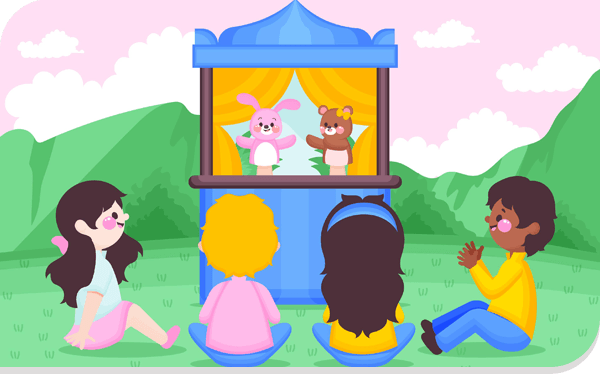
Turn a cardboard box into a small stage and make paper puppets with sticks or straws. Activities like these are popular arts and crafts for preschoolers because they combine creativity, confidence, and imaginative play.
Adults often want to fix things. Straighten the line. Correct the colour. Move the sticker into a better position. Children don't usually think that way.
If a purple tree or a blue elephant makes sense to them, let it stay that way. Creative confidence grows when children feel ownership over what they create.
The goal isn't perfection. The goal is participation.
Not every activity has to be completed. Some children lose interest after ten minutes. Others spend half an hour adding tiny details. Both responses are perfectly normal.
When creative time feels relaxed instead of scheduled, children stay curious. They become more willing to experiment, solve small problems, and return to similar activities later.
That's one reason craft sessions remain one of the most enjoyable preschool activities for young children.
The simplest craft projects often leave the biggest memories.
Children may forget exactly what they made, but they remember sitting beside a parent, getting paint on their fingers, laughing over crooked paper shapes, and proudly showing their finished work.
Creative tasks do not merely keep one occupied during the day; they instill qualities such as creativity, patience, self-confidence, and curiosity, which worksheets cannot do.
At Beginners World Preschool, creative learning is just an everyday experience rather than being an occasional classroom activity. Through enabling children to explore, innovate, and experiment, we ensure that the ordinary Crafts for Preschoolers become extraordinary moments of learning. Learning that stays with them long after the glue has dried.