Choosing a preschool can take longer than parents expect. The school may look lovely in photographs, but that is only one part of the decision. Parents want to know something much simpler: will my child feel comfortable there?
That question often comes up during the first school search. A child may be excited one morning and suddenly refuse to leave home the next. They may speak freely with family but stay quiet around unfamiliar people. A good preschool needs to make room for all of these little personalities.
This is one reason Beginners World Preschool appeals to families looking for a warm start to their child's school journey. The focus is not only on what children learn, but also on how they experience their first years of classroom life.
The first few weeks can be emotional.
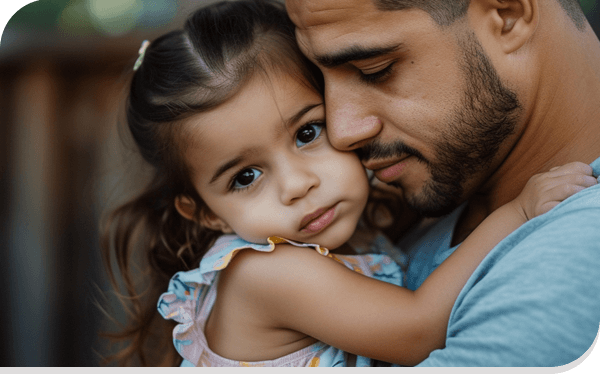
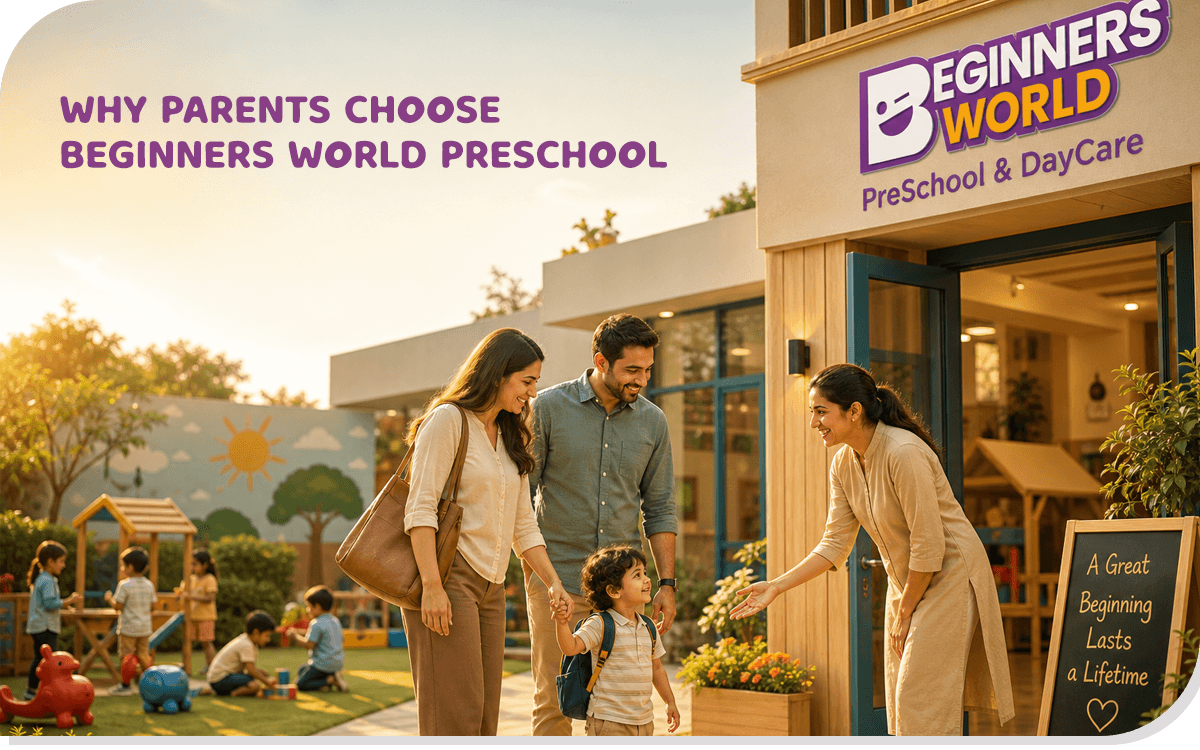
Some children walk into a classroom without looking back. Others hold their parent's hand tightly and need several days, or even weeks, before they feel ready to join in. Neither response means a child is ahead or behind.
A supportive environment gives children time to settle.
Parents often notice that small things make a difference. Knowing where their bag goes. Recognising the teacher's voice. Finding a favourite corner of the classroom. Having the same routine each morning.
These familiar moments slowly make school feel less strange.
Ask a preschooler what they learned today and you may get an answer about a toy, a song, or something that happened during snack time.
That's perfectly normal.
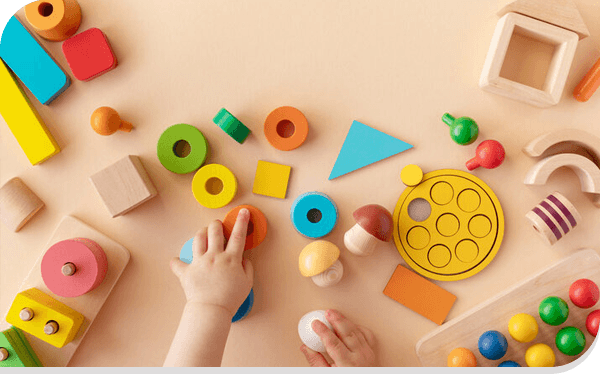
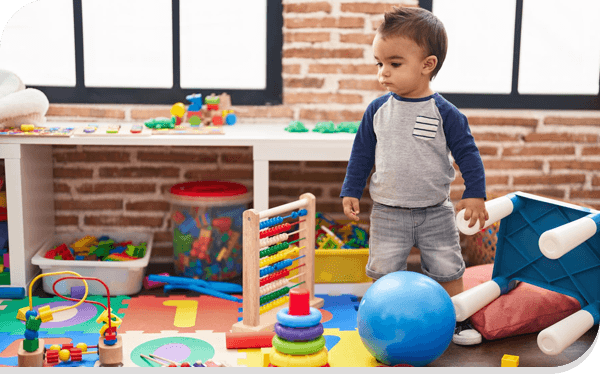
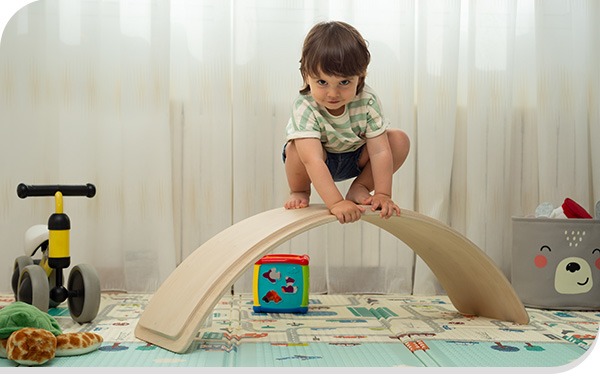
Young children learn through doing. Activity based learning gives them opportunities to explore ideas with their hands, movements, conversations, and imagination rather than expecting them to sit quietly for long periods.
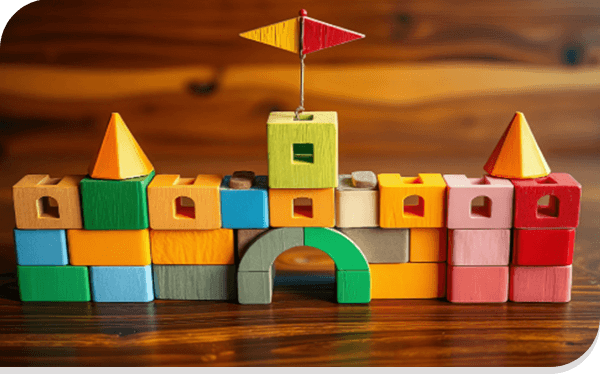
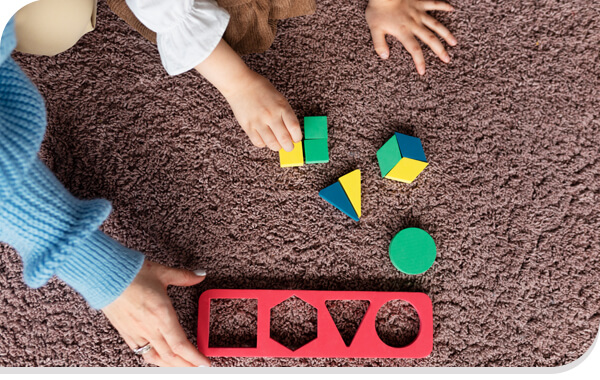
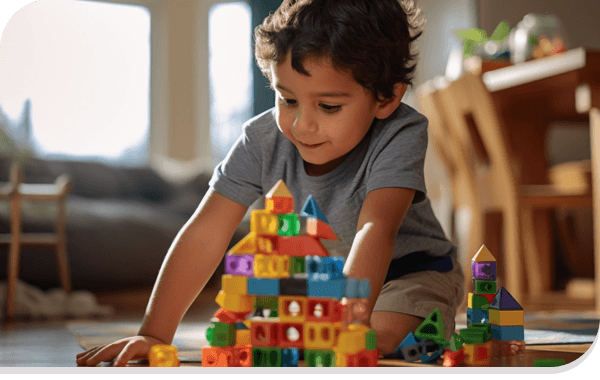
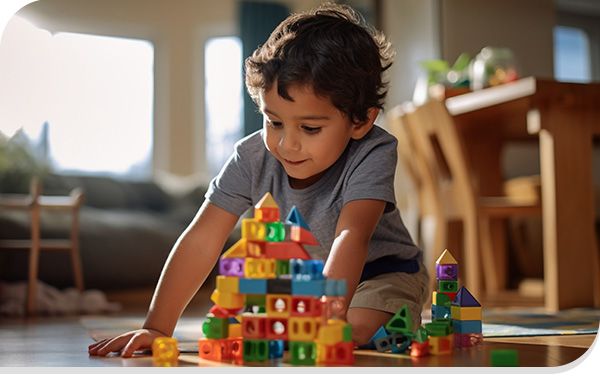
A counting game might happen while arranging blocks. A language activity could begin with a story. Colours can be explored through painting.
The child sees a game. The teacher sees a learning opportunity.
Preschool activities don't need to be complicated to be useful.
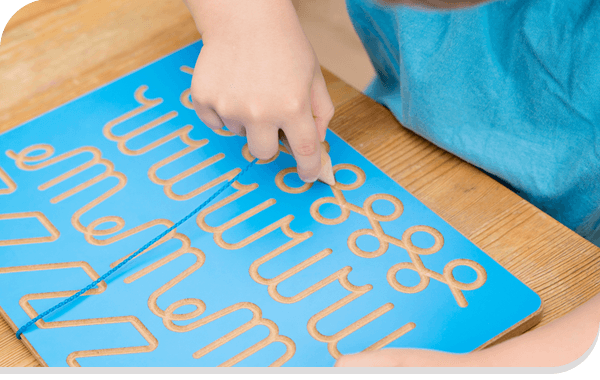
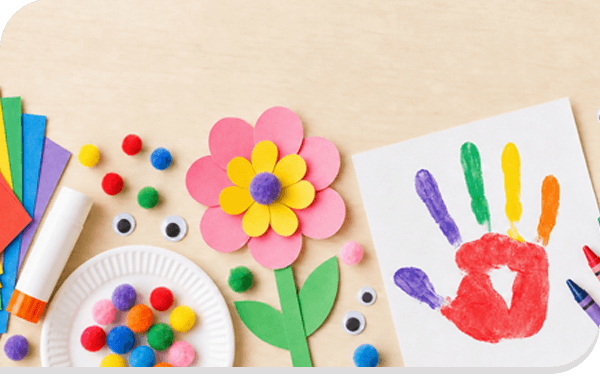
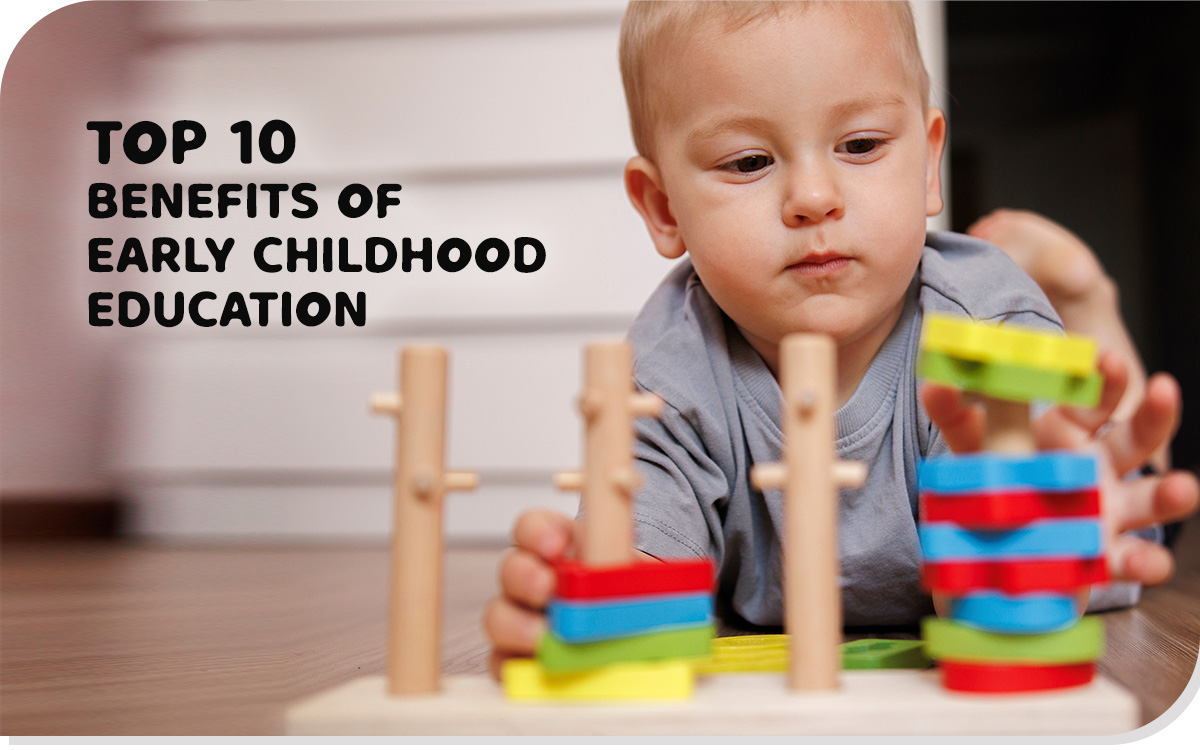
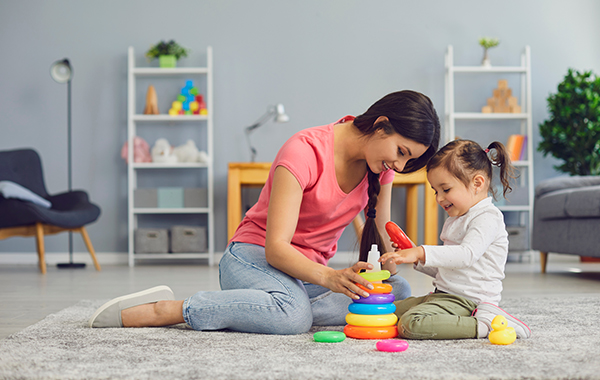
Paper cutting, block-stacking, bead threading, crayon drawing, working with clay, and container opening provide children with chances to develop their hand movement. These little activities help in the development of fine motor skills that will later come in handy when writing and undertaking other classroom activities.
It is also fulfilling for them to accomplish a task alone.
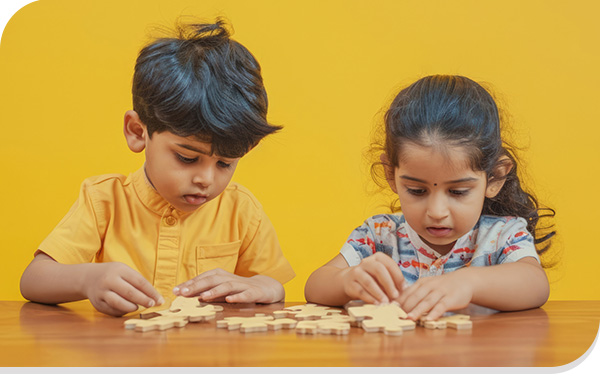
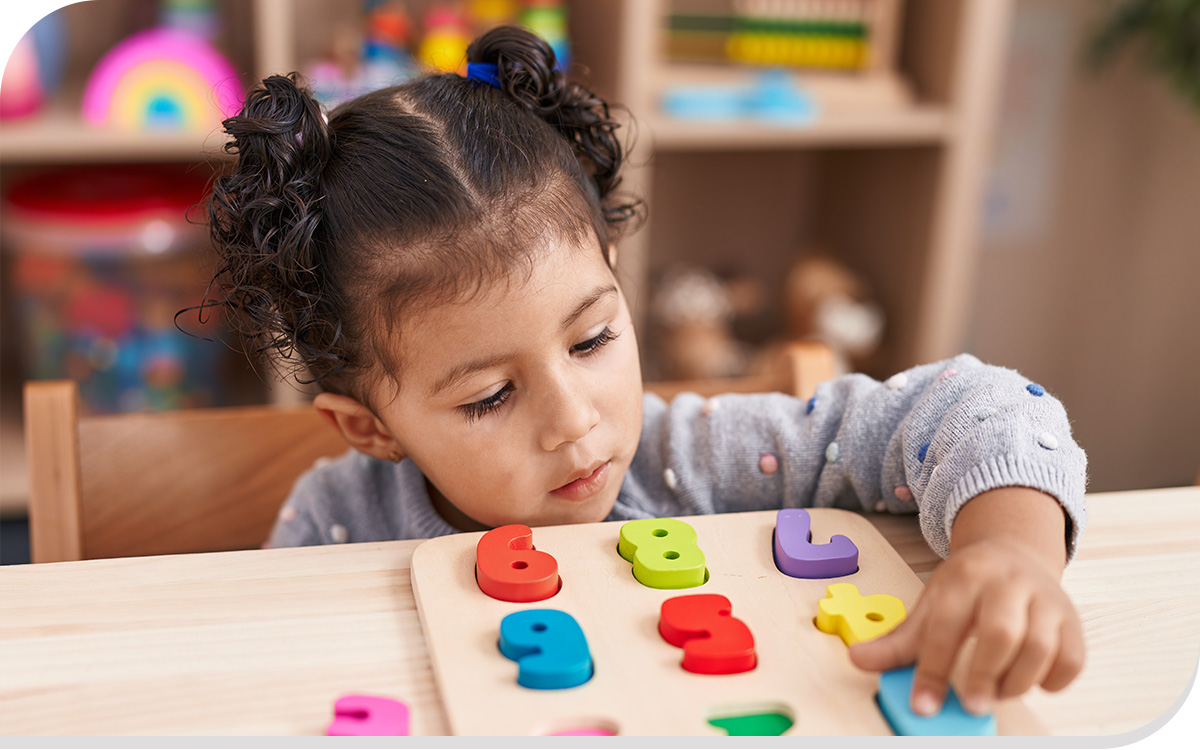
A child who finally manages to place a puzzle piece correctly or build a tall block tower gets a tiny sense of achievement. Those moments add up.
A child doesn't leave emotions at the classroom door.
They may feel excited, frustrated, shy, jealous, nervous, or proud during the same morning.
Developing the skill of recognizing and managing these emotions is a key part of growing up.
Here social emotional learning plays an important role. Children learn through day-to-day occurrences such as sharing their things, waiting for their turn, seeking assistance, or settling an argument.
The teacher does not have to make every occasion into a teaching moment. At times, a discussion alone will suffice.
"What happened?"
"How did that make you feel?"
"What could we do now?"
These questions can help children slowly understand their own reactions and those of others.
Of course, learning matters.
Parents want their children to recognise numbers, become familiar with letters, listen to stories, and develop early communication skills. But most parents also want their child to become more independent.
Can they put away their belongings?
Can they ask for help?
Can they sit with a group?
Can they tell someone when they are upset?
These everyday abilities are just as important during the preschool years. Strong cognitive development grows alongside social, emotional, physical, and communication skills.
That wider view makes the preschool experience feel more complete.
Parents know their children better than anyone.
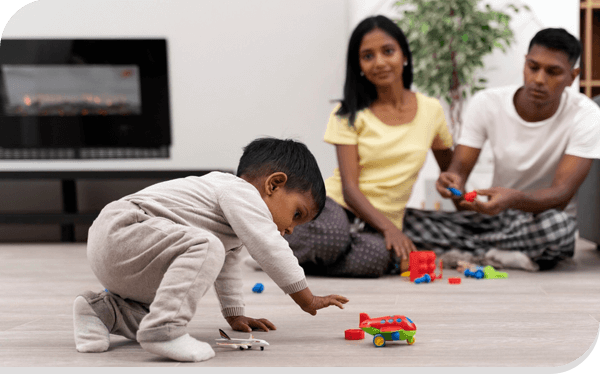
They know what triggers anxiety, what gets them excited, their food preferences, and how they respond to unfamiliar situations. Proper communication between home and school will help the teachers learn these subtle cues.
It will also help parents get a clear idea of how their kid is adjusting to the new place.
Questions are natural at this stage. It could be about the daily routine of the child, activities in the class, interactions with teachers, and what their child could expect after joining.
A clear preschool admission process can make the beginning much less confusing for everyone.
There is no single preschool that feels perfect for every family.
One parent may care most about classroom activities. Another may look closely at the daily routine. Someone else may be searching for a place where their shy child gets enough encouragement.
That is why visiting a school can be useful.
Look at the classrooms. Notice how teachers speak to children. Watch whether children seem comfortable asking questions. Think about whether the overall environment feels suitable for your child rather than simply impressive on paper.
If admissions open, parents can also take the opportunity to ask questions before making a decision instead of rushing through the process.
The preschool years pass surprisingly quickly.
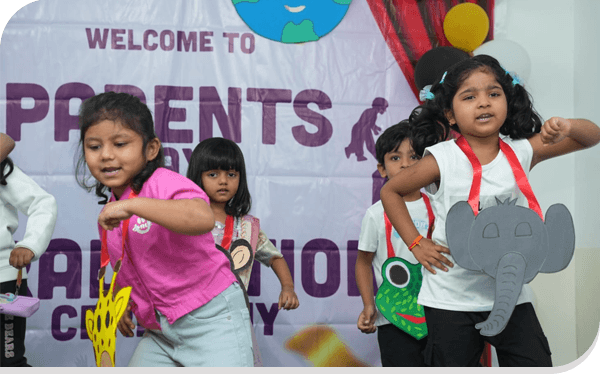
One day, a child may be struggling to separate from a parent. A few months later, that same child may be walking into class confidently, greeting friends, and proudly showing a drawing they made.
Those changes are worth noticing.
The right preschool programs give children opportunities to explore these new experiences at a pace that feels manageable. They also give parents the reassurance of seeing their child's personality slowly unfold outside the home.
Parents don't choose a preschool only because of a timetable, classroom, or list of activities. They choose a place where they believe their child can begin growing with confidence.
That is the thinking behind Beginners World Preschool. By bringing together play, exploration, communication, and age-appropriate learning, the preschool years can become less about rushing children towards the next stage and more about giving them a happy beginning.
And sometimes, that happy beginning is exactly what parents are looking for.