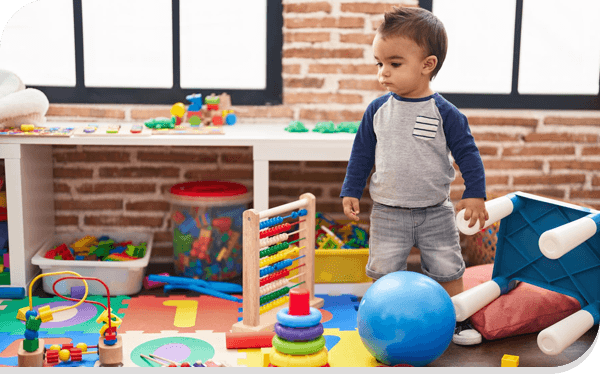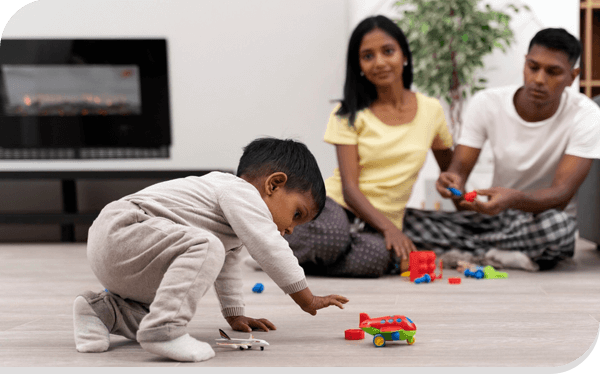
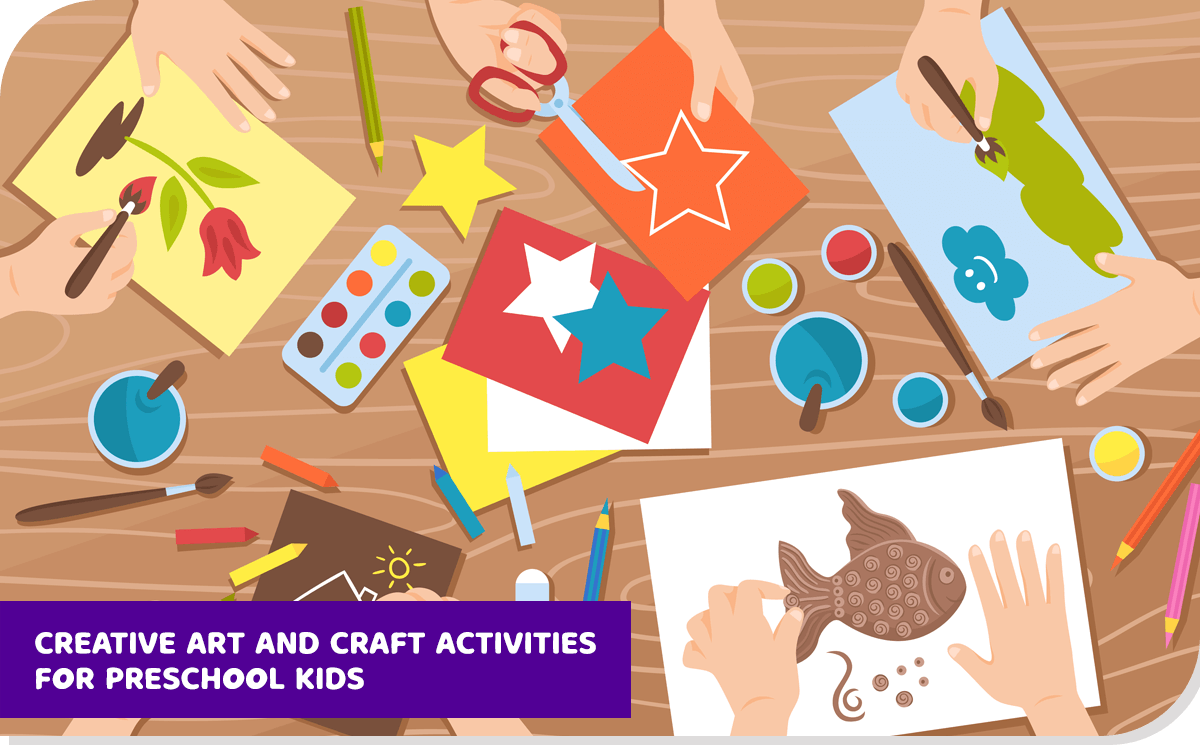
Give a preschooler paper, colours, glue, and ten quiet minutes, and something unexpected usually happens during preschool art activities. Maybe it turns into a drawing nobody else understands. Maybe it becomes a messy pile of stickers and paint. Either way, the child stays completely involved.
That's the thing about creativity at this age. Children are not thinking about results. They care about the process. Touching paint. Folding paper. Mixing colours, they probably shouldn't mix.
And honestly, that's where most learning happens. A lot of parents see crafts as a way to keep children busy for a while. But good art activities do much more than fill time. They help children think, observe, express, and experiment without pressure.
Young children learn best when their hands are involved.They remember things better when they touch, move, build, or create something themselves. Sitting and listening only work for short periods at this age. But give children materials to explore, and attention naturally lasts longer.
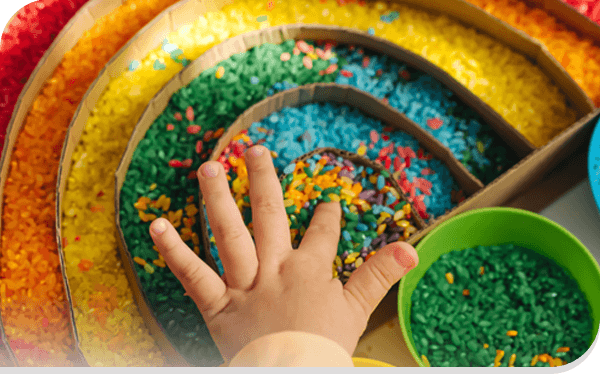
This is closely connected to early childhood brain development, especially during the years when children are rapidly building connections through sensory experiences.Messy play, painting, tearing paper, and shaping clay may look simple from the outside, but they involve constant decision-making underneath.
Most children enjoy finger painting immediately. Adults usually worry about the mess first.But finger painting is useful because it removes pressure. Children don't need to "draw properly." They move freely, experiment freely, and react to colours instinctively.
At the same time, they're developing hand control, coordination, and confidence in movement. These are early fine motor skills activities, even when nobody labels them that way.
Children also begin noticing patterns. What happens when colours mix? What happens when they press harder or softer? Small observations like these strengthen attention naturally.
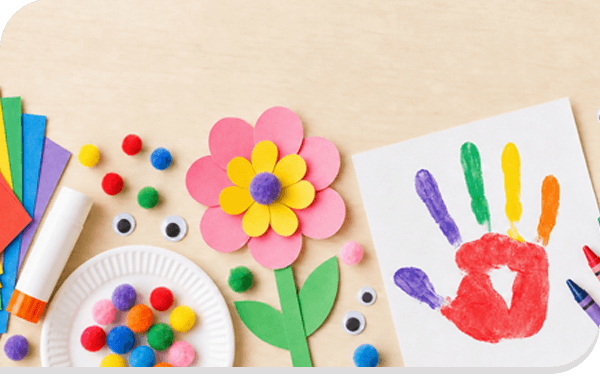
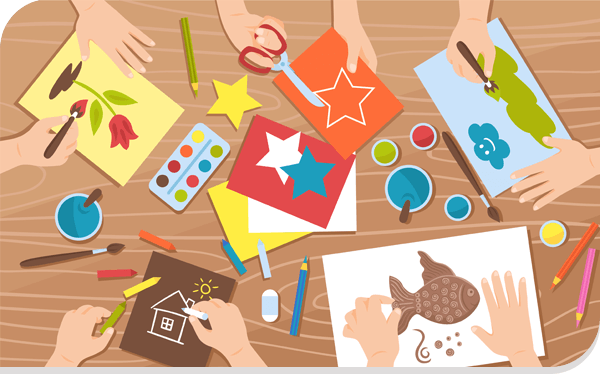
Not every activity needs expensive materials.Old magazines, coloured paper, glue sticks, and cardboard are enough for simple collage-making. Some children carefully place pieces one by one. Others glue everything randomly across the page.
Both approaches are useful.Tearing paper strengthens finger muscles and hand coordination. Choosing shapes and placing them also supports cognitive skills for preschoolers, because children are making decisions constantly while working.And since there's no "correct" outcome, children usually stay relaxed during the activity.
Clay activities work differently from drawing.Children squeeze, flatten, roll, and reshape things repeatedly. One minute it's a snake. Then it becomes food. Then something completely unrelated.
That flexibility matters.Craft activities involving clay encourage experimentation because mistakes disappear easily. A child can simply reshape and start again.This freedom helps children stay engaged longer, especially those who hesitate during more structured tasks.
Children naturally respond to things collected outdoors.Leaves, flowers, twigs, stones. These objects feel more interesting because they weren't handed out from a box. They were discovered.
Simple leaf printing or nature collages become meaningful because children already feel connected to the material. Activities like these are often included in art and craft activities for preschoolers because they combine creativity with observation.Children start noticing textures, shapes, and differences more carefully.
Some children lose focus quickly during free drawing. But if the activity connects to a story, attention changes completely.After reading a short story, ask children to draw their favourite character or scene. Don't guide too much. Let their version stay imperfect.
You'll notice something interesting here. Children remember stories more clearly when they recreate them visually.That's one reason many preschool art activities connect crafts with storytelling rather than keeping them separate.
Adults often want new activities constantly. Children usually don't.A child may want to paint the same thing repeatedly or use the same colour every time. That repetition is part of learning.
Repeating familiar activities builds confidence because children already know what to expect. They stop worrying about the process and begin experimenting within it.This is why preschool classrooms often repeat creative routines instead of introducing entirely new crafts every single day.
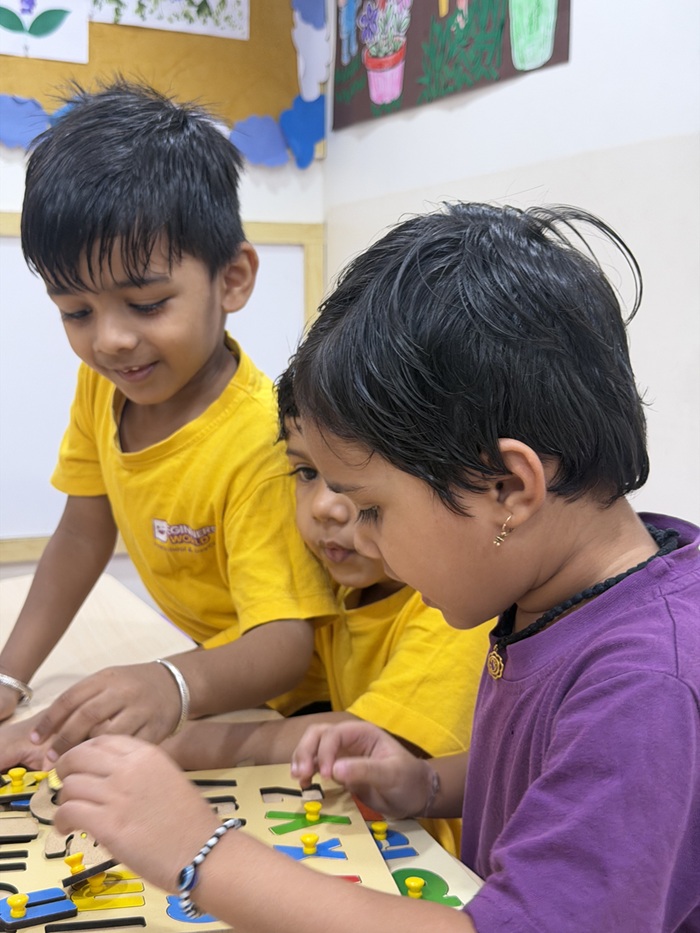
Art activities change when done in groups.Children begin observing each other's work. They share materials. Sometimes they copy ideas. Sometimes they argue over colours.
That interaction matters just as much as the craft itself.Creative group activities teach children how to work beside others without needing constant adult involvement. This becomes especially useful before nursery admission, where group participation becomes part of the daily routine.
Some children jump into messy play immediately. Others hesitate.That's completely normal.
A child who dislikes finger paint may enjoy cutting paper instead. Another child may prefer building over colouring. The goal is exposure, not forcing interest in one specific activity.Creativity looks different in every child.
Children engage more deeply when they don't feel evaluated.If every drawing gets corrected or compared, creativity shrinks quickly. But when children feel free to experiment, they participate more openly.
That's why many good classrooms keep art sessions flexible inside the overall preschool program rather than turning them into performance tasks.The focus stays on exploration, not neatness.
Children rarely remember whether a craft looked perfect. What they remember is how it felt to make it. The paint on their hands. The freedom to choose colours. The excitement of showing someone what they created, even if it made no sense to anyone else.
That's why preschool art activities matter more than they appear to. It allows kids to have room for thoughts, experiments, and self-expression without having to understand their emotions yet through proper vocabulary.
This is precisely what programs such as Beginners World Preschool aim to encourage through daily education and discovery. And that kind of learning stays with them much longer than perfect drawings ever will.