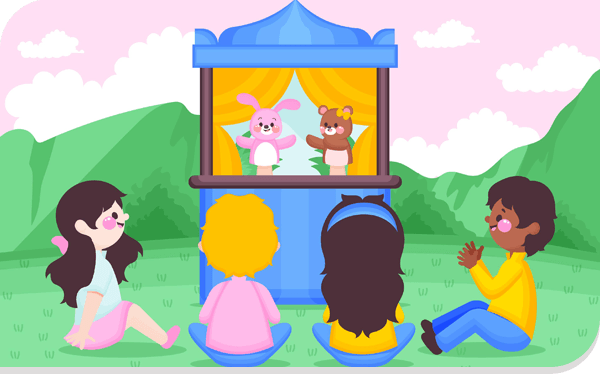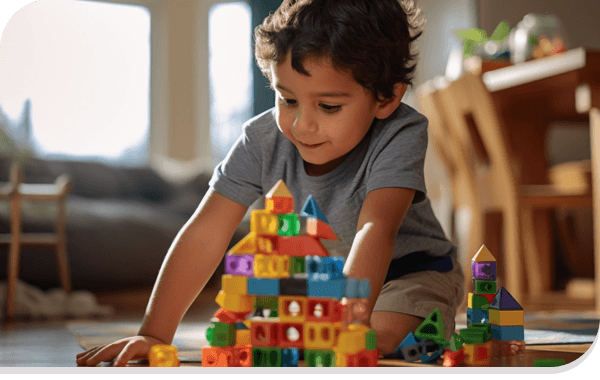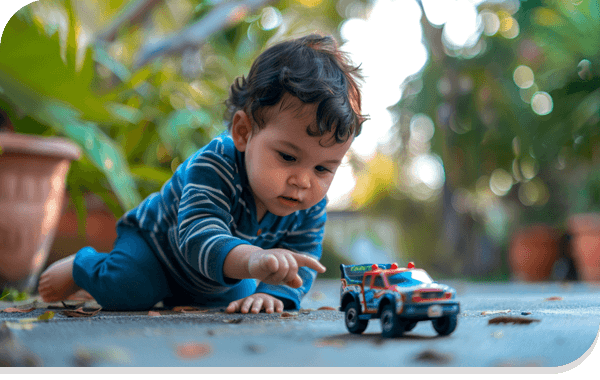
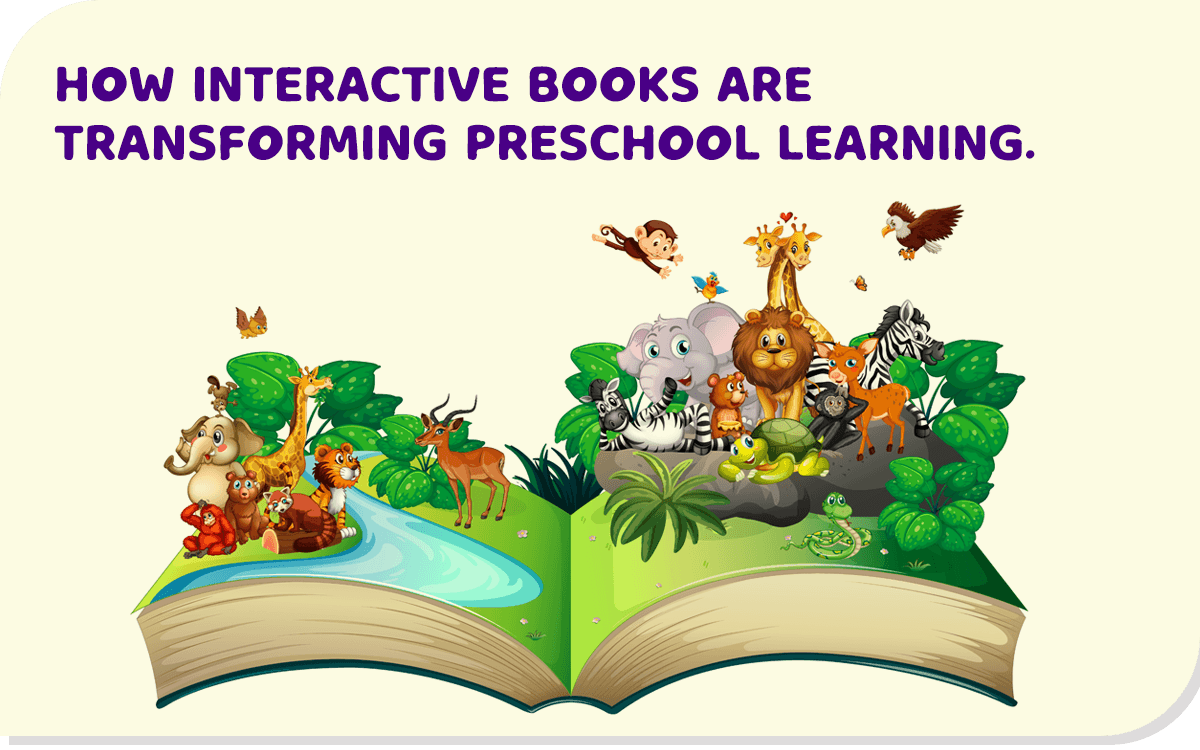
There was a time when reading meant sitting still, turning pages quietly, and listening from start to finish. That still works. But something has shifted over the years. Children today do not just want to listen. They want to touch, respond, guess, and be part of the story.
That is where interactive books come in. And inmany preschool and daycare environments, they are no longer optional.They've become part of how learning actually happens, often complementing preschool education activities that focus on engagement and participation.
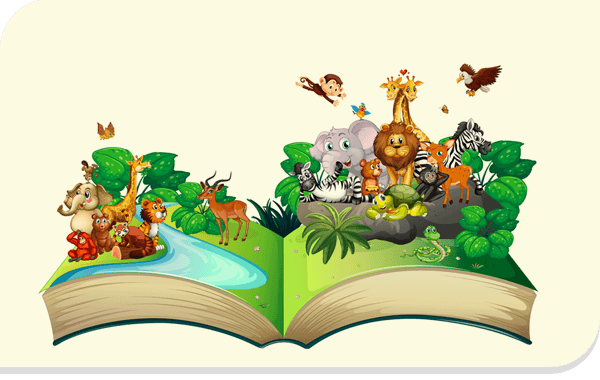
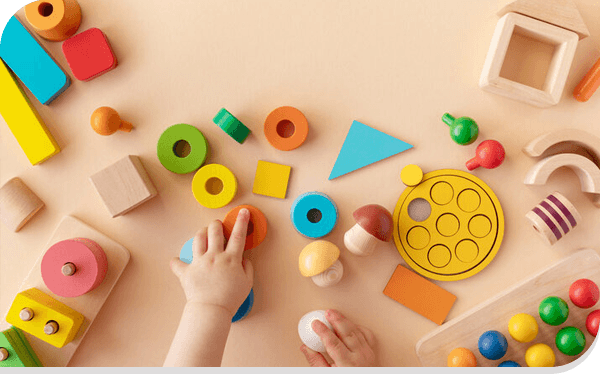
It's not just about buttons or sounds. An interactive book invites participation. It asks questions. It includes textures. It encourages children to point, lift flaps, repeat phrases, or predict what comes next.
Sometimes it is simple. A page that says, "Can you find the red ball?" Sometimes it's more engaging, like a flap hiding a character or a sound linked to an action. These small elements change how a child reads. Or rather, how they experience reading.
Young children do not absorb information the way adults do. They don't sit and process quietly for long. They move. They interrupt. They ask unrelated questions halfway through a story.
Traditional reading expects stillness. Interactive books accept movement. That shift matters. It allows children to stay engaged longer without forcing attention. And when engagement increases, learning follows naturally.
One of the biggest changes interactive books bring is in communication. Instead of listening passively, children respond. They repeat words, answer questions, or describe what they see.
This kind of engagement supports natural speech development. It works alongside everyday conversation and strengthens what many call preschool language development activities, but without making it feel like a lesson. Children do not realise they're learning. They just feel involved.
Attention spans at this age are short. That is normal. Interactive books extend focus in a subtle way. A child stays on a page longer because there is something to do. Lift a flap. Press a sound. Find a hidden object. These actions anchor attention.
Over time, children begin sitting longer, listening more carefully, and following sequences better. Not because they're told to, but because the experience holds their interest.
This becomes useful once they enterpreschool and daycare, where following instructions and staying engaged influence how smoothly they adapt to preschool admission requirements.
A quiet book tells a story. An interactive book invites questions.
"What's behind this?"
"Why did that happen?"
"What comes next?"
Children begin thinking ahead. They guess outcomes. Sometimes they're wrong. That is fine. The important part is that they are thinking actively, not just observing.
The interactive books satisfy the natural instinct of children who show curiosity, which serves as the most powerful indicator of their readiness to learn.
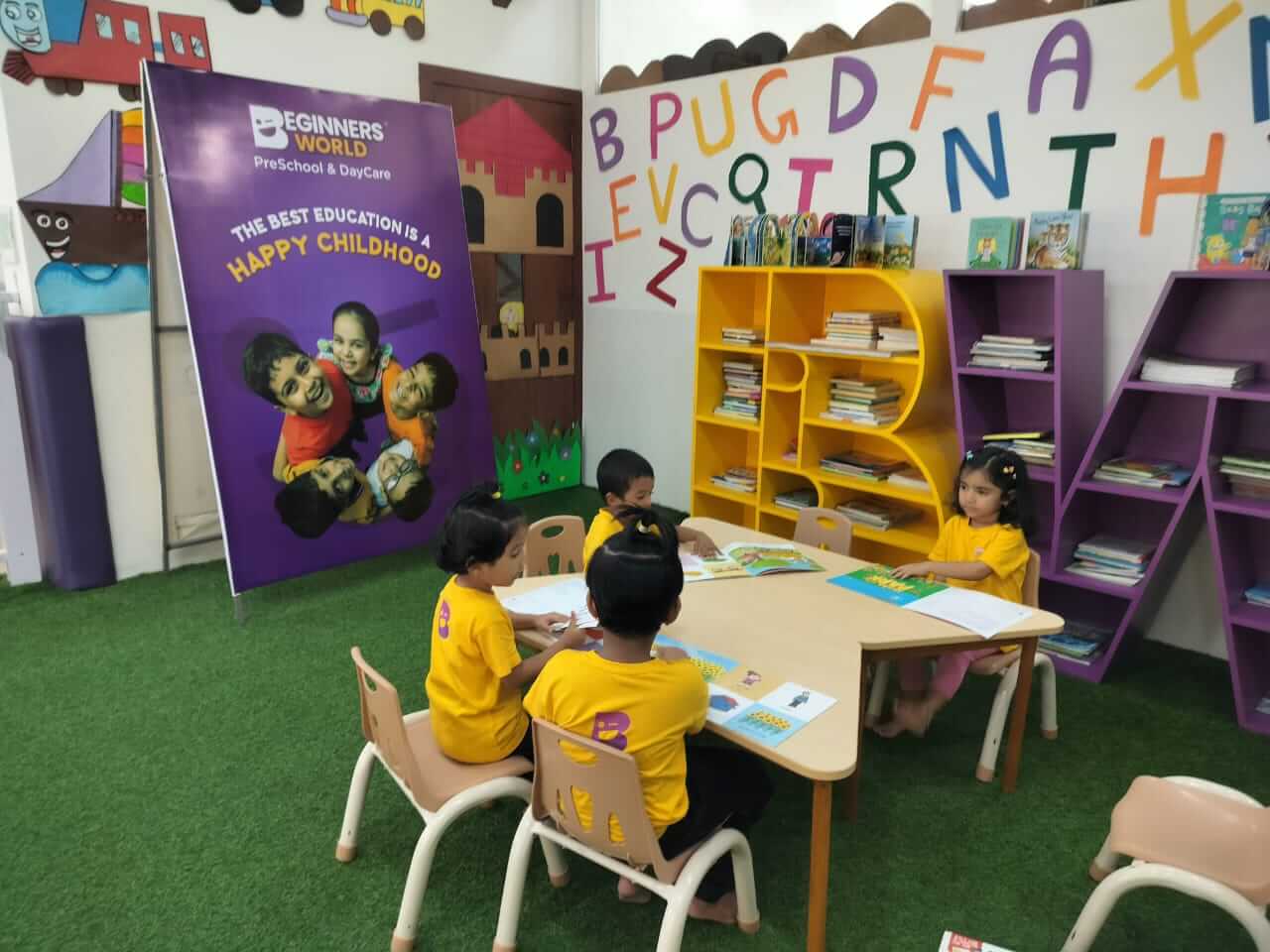
Children show different reactions to books because they have distinct ways of learning. Some children find pleasure in listening, while others like to experience things through physical contact.
Interactive books serve as a solution to this problem. Visual learners connect with images. Tactile learners engage with textures and movement. Auditory learners respond to sounds and repeated phrases.
This flexibility makes interactive reading more inclusive. It meets children where they are, instead of expecting them to adapt immediately.
One reason interactive books work so well is simple. They don't feel like reading. They feel like playing.
A child lifting flaps or searching for hidden objects is not thinking about learning. They're exploring. That exploration builds familiarity with books in a positive way.
Over time, books stop feeling like "tasks" and start feeling like something enjoyable. This is important because early experiences shape long-term attitudes toward reading.
You don't need a large collection. A few well-chosen books are enough. Sit with your child. Don't rush through pages. Let them explore each part. Pause when they pause. Follow their pace instead of finishing the story quickly.
Ask questions, even if the book doesn't.
"What do you think is inside?"
"Why is this character sad?"
Let the child lead sometimes. If they want to go back to the same page three times, let them. That repetition builds familiarity and confidence.
Interactive books function as effective educational tools, but they do not substitute all educational materials.
Traditional storybooks still matter. They build imagination differently. Children develop their own mental images through their imagination without needing any external prompts or actions.
The most effective method combines multiple elements. Interactive books for engagement.
Storybooks for imagination. Activity books for practice. All the elements work together to establish an effective early learning space.
Many preschools now include interactive reading as part of daily routines. Teachers use them during group time to keep children involved. Instead of one-way storytelling, sessions become shared experiences. Children respond together. Laugh together. Guess together.
This builds not just language, but also social interaction. Children learn to wait, listen, and participate as a group.
It also makes transitions easier. A child who is familiar with interactive reading in the home environment is likely to adjust more comfortably in preschool and daycare settings.
Interactive books don't simply tell stories; instead, they involve children in stories. This is a significant difference that makes all the difference. Interactive stories don't simply observe children; rather, children are part of the story.
For parents who want to try out interactive stories, Beginners World Preschool offers interactive elements in daily learning that involve children in an active manner instead of simply making them observe. This is likely to keep children engaged without making them feel forced.
By the time a child steps into preschool and daycare, that habit of participation makes a difference. They're not just listening anymore. They'reengaging.
And that's where real learning begins.