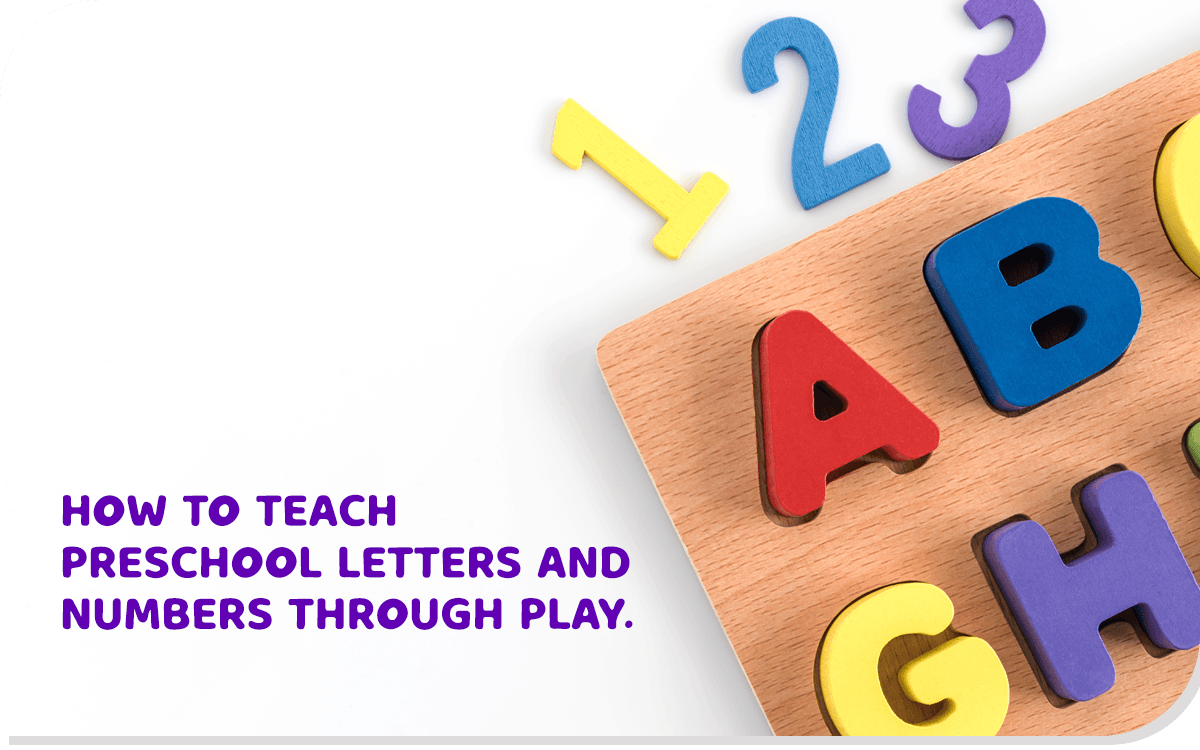
Preschool letters and numbers don't usually click when a three-year-old is asked to sit still and "learn" them. If you've ever tried it at a table, you know how it goes. Five minutes in, they're distracted. The pencil becomes a rocket, and the paper is optional.
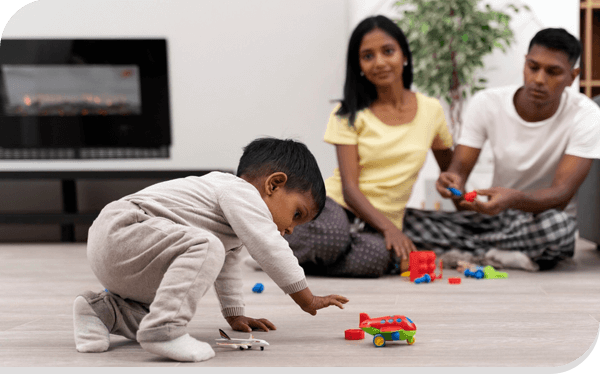
Here's what actually works: young children learn through doing. Moving, touching, repeating. That's where it starts making sense. Not as a lesson, but as part of play.
Let's break down how that can look at home, without turning it into a structured class.
You don't need to introduce letters and numbers as something "new." They're already part of everyday life.
Numbers show up while counting toys. Letters appear in storybooks, signboards, and even food packaging. Instead of separating learning from play, bring it into what your child already does.
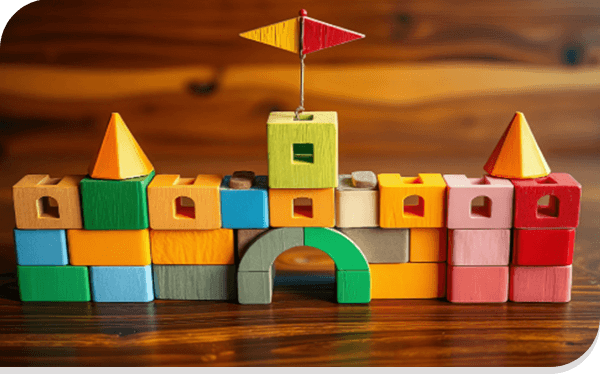
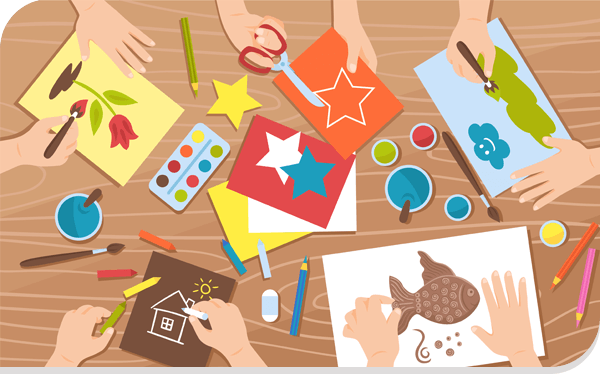
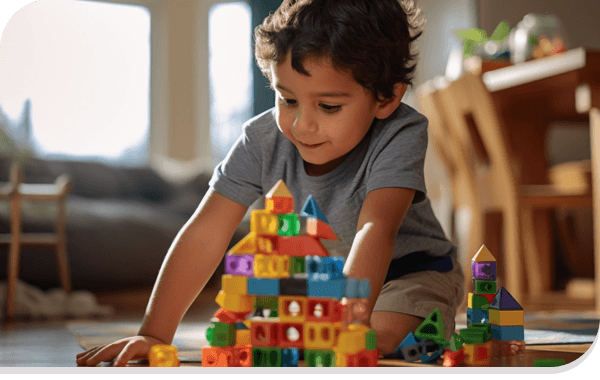
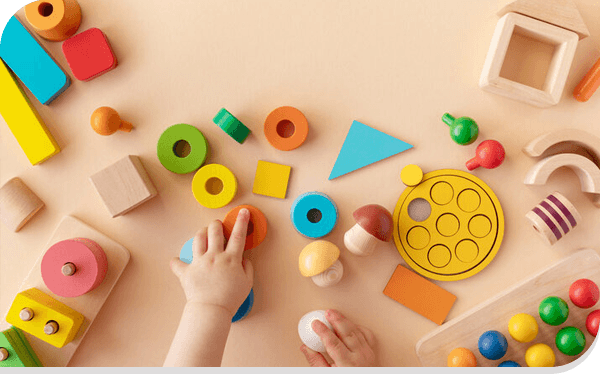
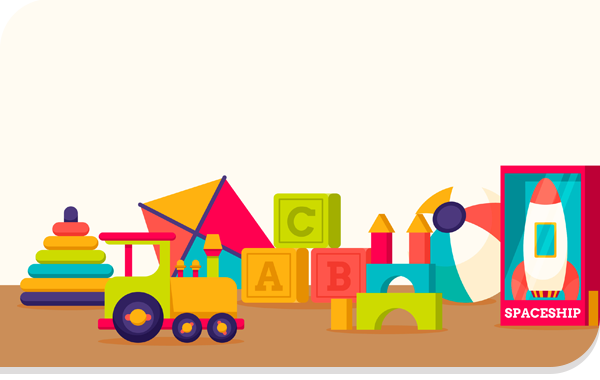
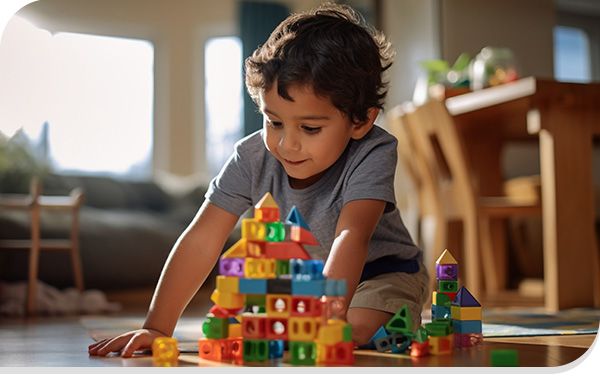
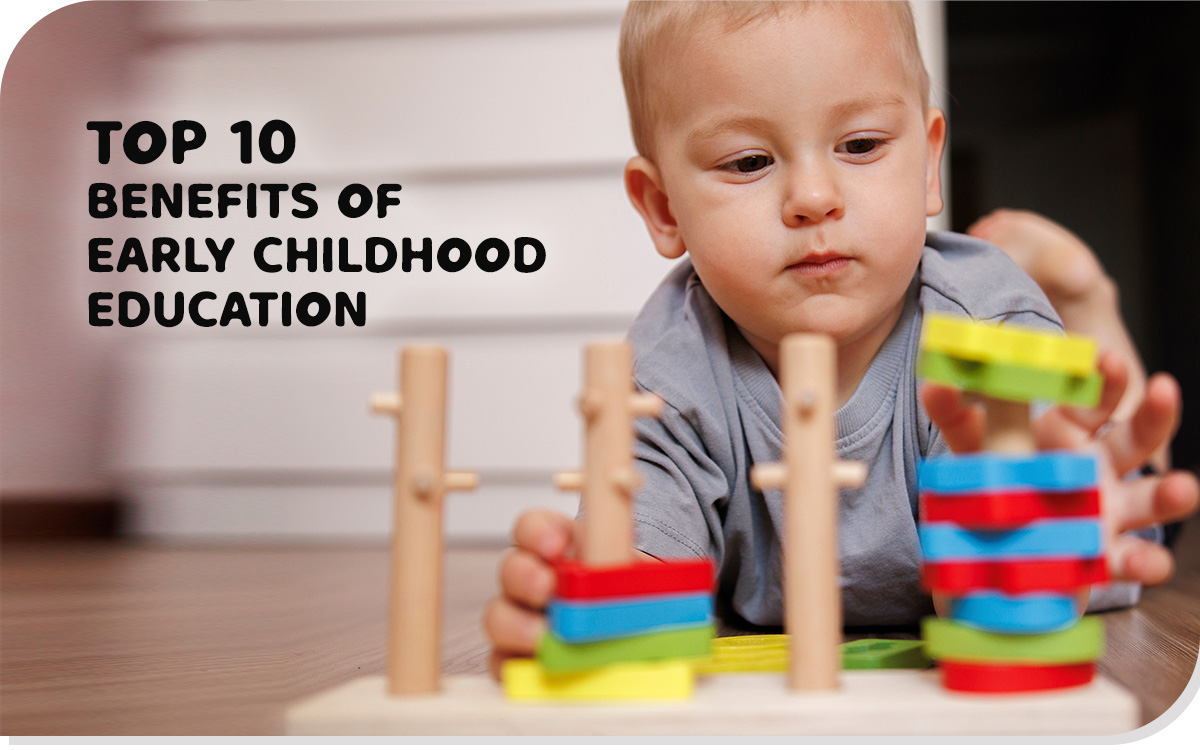
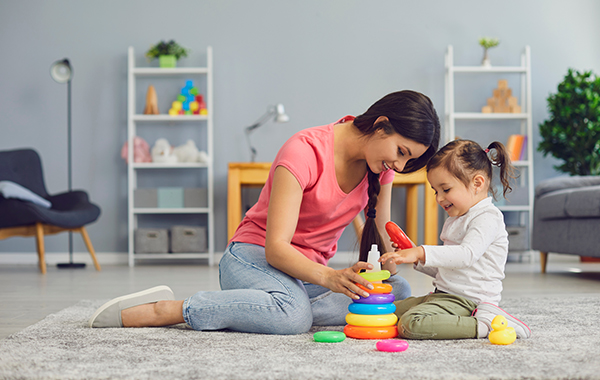
For example, if your child is stacking blocks, count them together. If they're drawing, casually mention shapes or letters without insisting they repeat them.
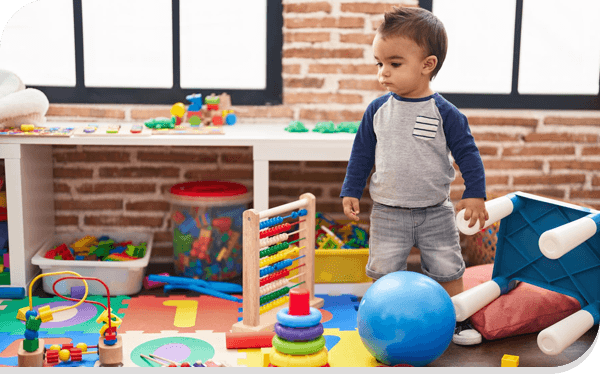
This approach answers the bigger question of why is play important in learning. Children stay engaged because they don't feel like they're being taught.
Sitting isn't necessary. Movement helps memory.Ask your child to jump five times. Clap three times. Take two steps forward. These are simple math activities for preschool, but they connect numbers with physical action.
You'll notice something interesting. Children remember better when their bodies are involved. Counting becomes an experience, not just a sound.
Over time, this builds natural comfort with numbers without pressure.
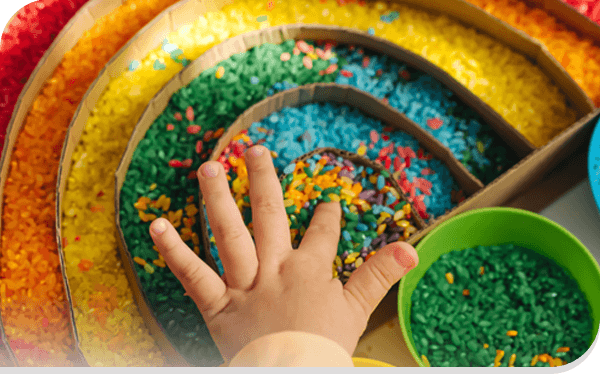
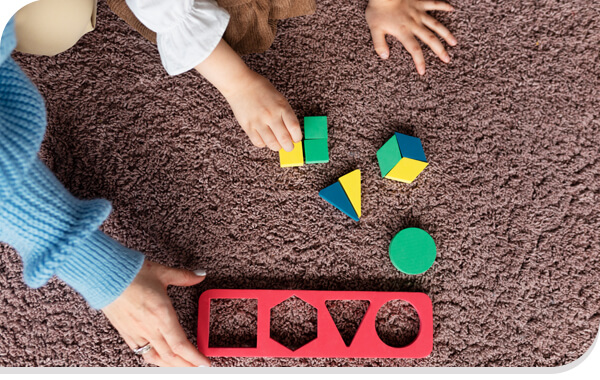
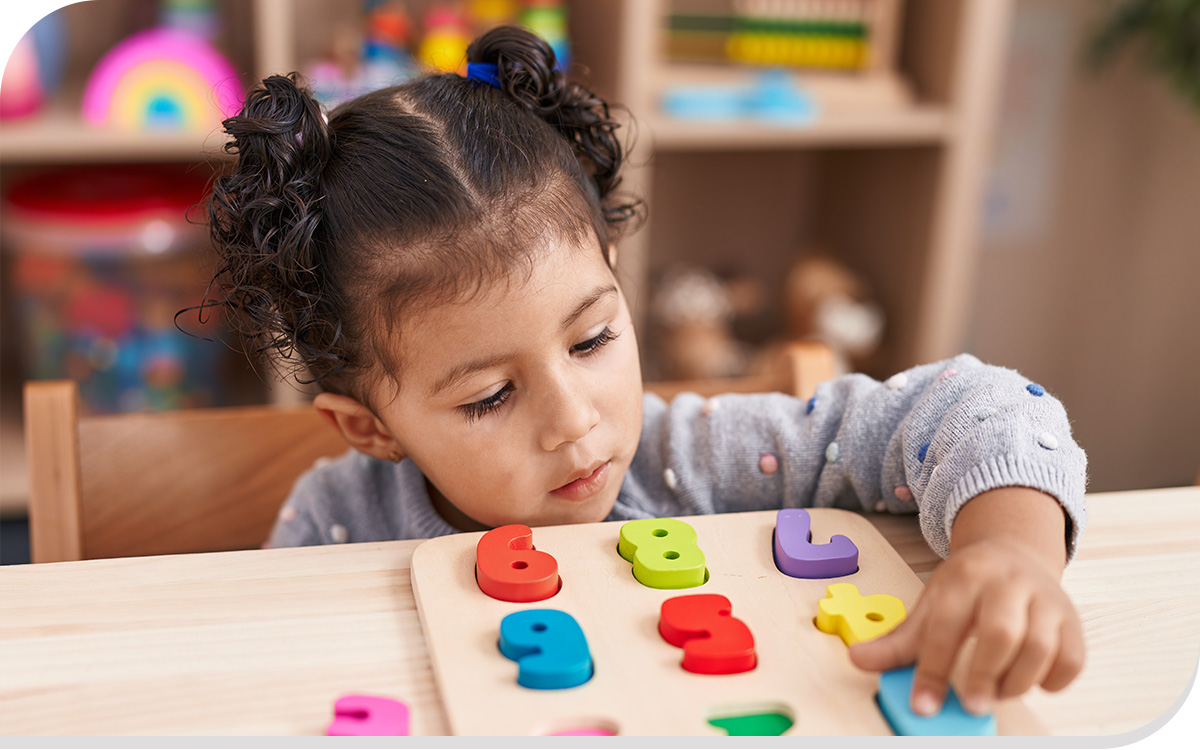
Use spoons, buttons, fruits, or toys. Ask your child to group them. Count them. Sort them by size or colour. These small tasks support number recognition activities in a way that feels natural.
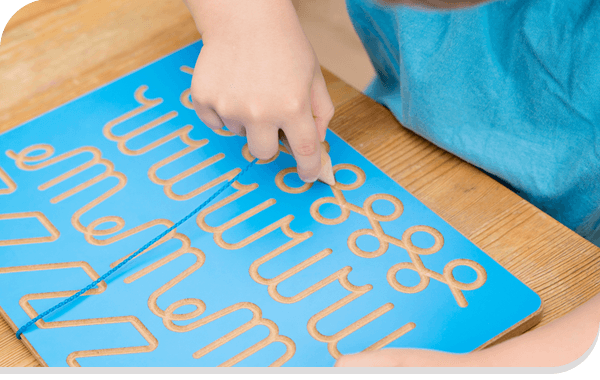
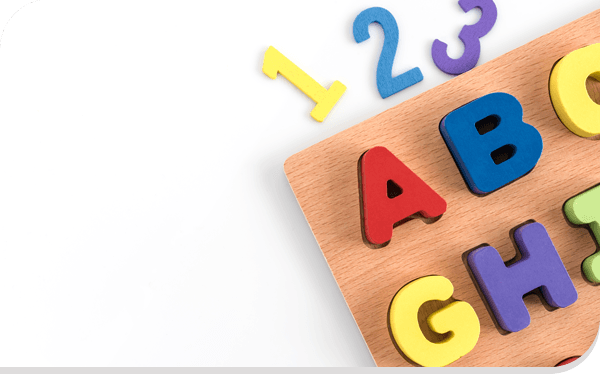
For letters, use fridge magnets, chalk on the floor, or even fingers tracing shapes in flour or sand.These activities also support fine motor skills activities, especially when children pick, place, or trace objects.
The key is simplicity. Complicated setups often lose a child's interest faster.
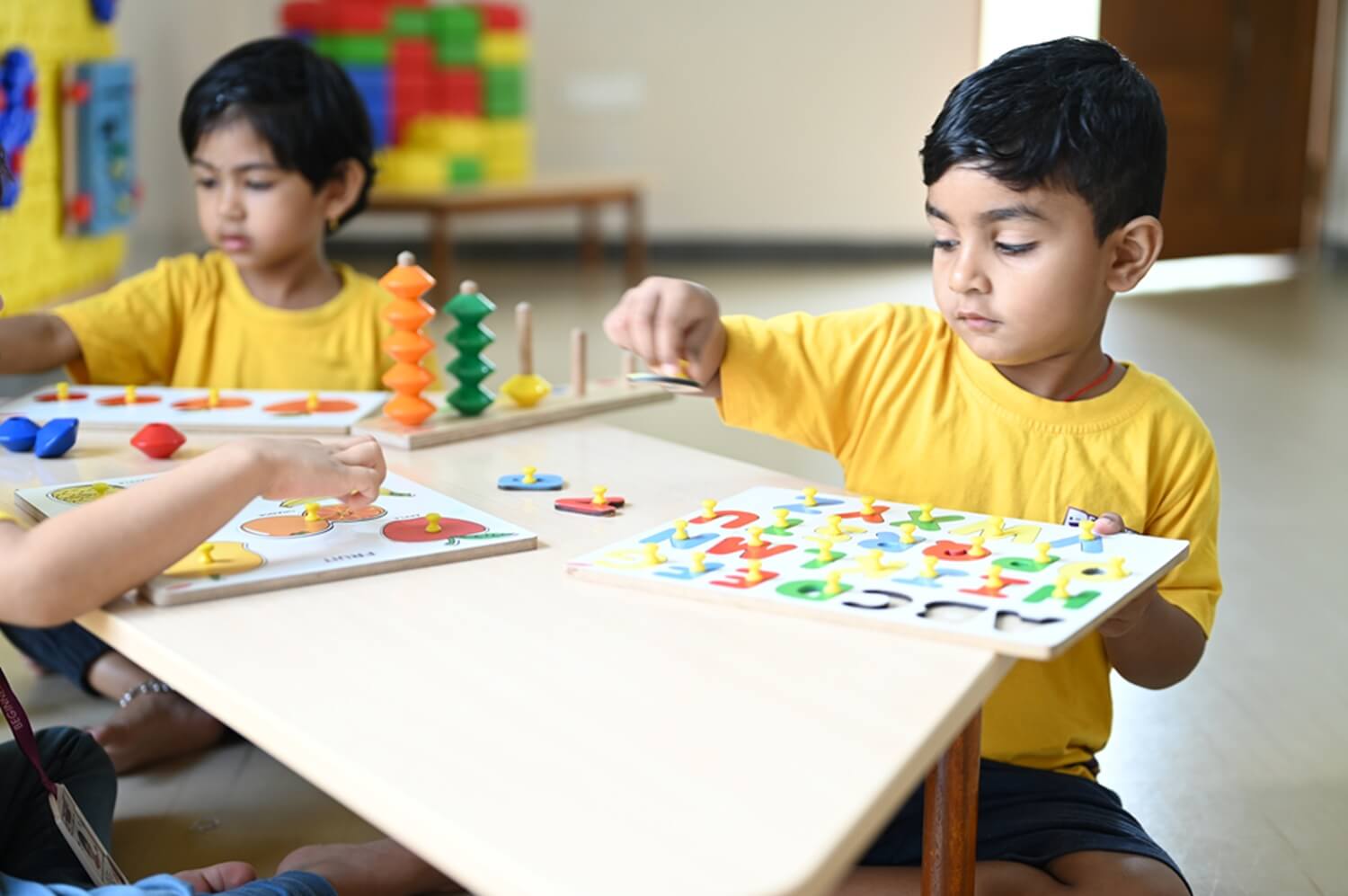
Children recognise patterns faster when they see them often.Label simple objects at home. Door. Table. Cup. Even if they can't read yet, repeated exposure builds familiarity.
When reading a book, point to a letter occasionally. Not every time. Just enough for it to register.This supports early letter recognition activities without making reading feel like a task.
Over time, children begin identifying the shapes of letters before understanding their sounds fully.
Adults get bored with repetition. Children don't.In fact, repetition is how they learn.Instead of long sessions, keep activities short. Five to ten minutes is enough. Then come back to the same activity later in the day or week.
This helps strengthen memory and supports early childhood brain development, especially in the early years, where repetition builds neural connections.Don't rush to introduce new concepts constantly. Familiarity matters more.
Recognising a letter shape is one part. Connecting it to sound is another.Start with simple associations. "A" for apple. "B" for ball. Use objects around you rather than flashcards.
Say the sound clearly. Let your child repeat it if they want to. If they don't, that's fine too.These small steps build the foundation for reading later, but at this stage, exposure matters more than accuracy.
The children will be playful in their learning. For instance, they may refer to all letters as "A." Or, they can even learn to count backwards.
It is important to correct the child without stopping the process. This method is effective because the children do not fear making mistakes.
When there are no consequences for being incorrect, they will be willing to take risks.
Instead of showing how something works immediately, let your child try.If you're arranging numbers in order, pause and ask, "What comes next?" Even if the answer is wrong, it encourages thinking.
This builds cognitive skills for preschoolers, especially when children start connecting ideas instead of just repeating them.Problem-solving doesn't need complex tasks. It starts with simple choices.
Stories are very effective tools.The story of counting animals or things will help them associate the numbers and alphabet with a meaning. It is not just an abstract notion anymore. It turns into a story.
One can also make one's own simple stories. "Three birds are sitting on a branch. One bird flies away. How many birds remain?"
Some children pick up letters quickly. Others take more time. The same goes for numbers.Avoid comparing progress. What matters is consistency.
If your child shows interest, build on it. If they seem distracted, switch the activity. Flexibility keeps learning positive.The goal isn't to "finish" preschool letters and numbers early. It's to make your child comfortable with them.
Variety is an important part of such a good approach, which can include:
• Movement counting
• Object sorting
• Letter drawing
• Learning through stories
• Simple problem-solving
By including all these elements, a good foundation is created without overburdening the child.
Play-based learning in one's own house is most effective when done effortlessly. The same logic applies to early childhood learning centers.
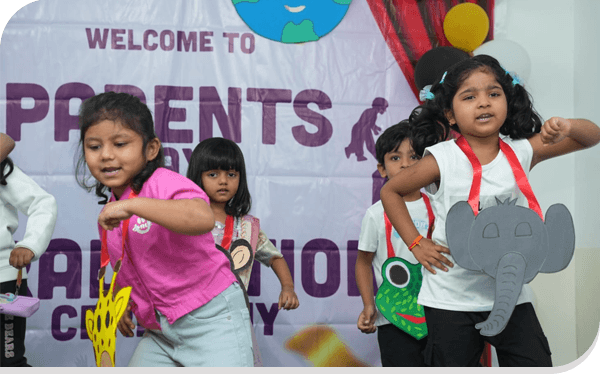
For parents seeking such environments, Beginners World Preschool emphasizes hands-on and play-based techniques, allowing children to learn about the alphabet and numbers without necessarily teaching them.
Such environments usually allow children to be more curious and not pressured.
Teaching preschool letters and numbers doesn't require structured lessons or strict schedules.It happens during play. During conversation. During small, repeated moments that feel ordinary at the time.
If your child is engaged, curious, and willing to try, learning is already happening.And that's the point where real understanding begins.