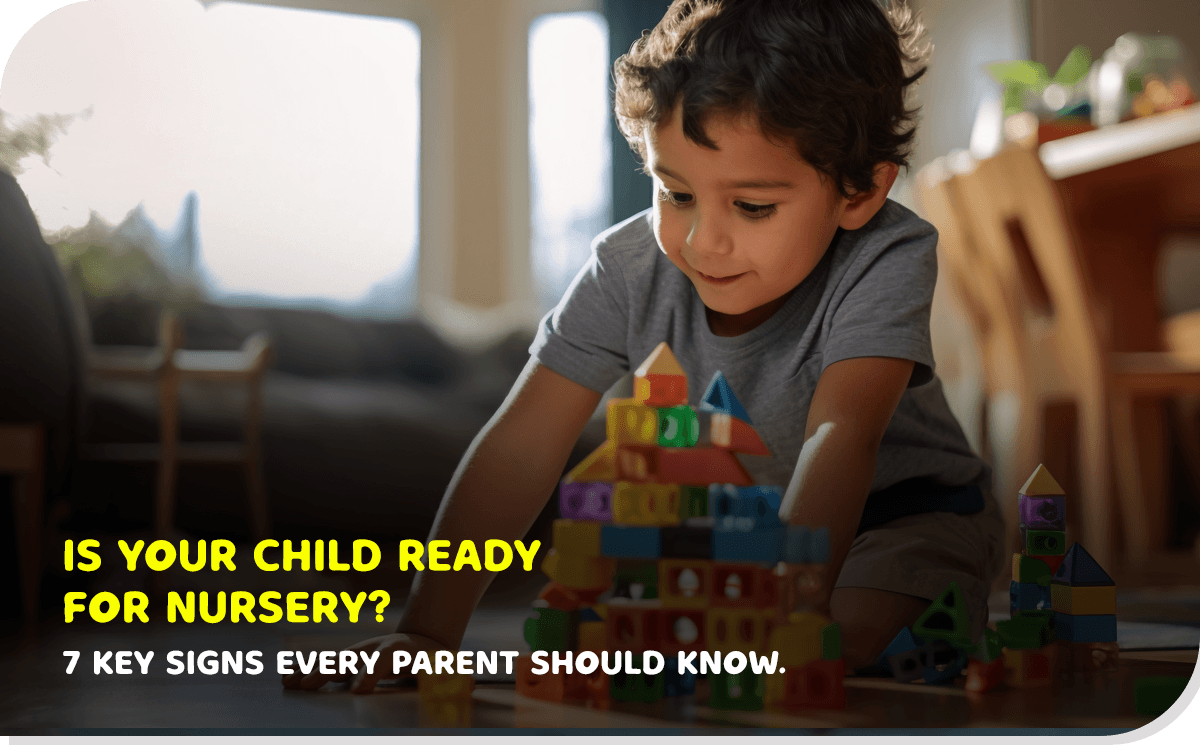
Most parents expect a clear signal. A moment where it all clicks and you think, yes, now it's time. In reality, it's rarely that obvious. Readiness doesn't announce itself. It shows up in small, everyday situations you might not even notice at first.
When families begin looking at schools for nursery admission, they often focus on age, forms, or what other children are doing. But readiness is more personal than that. It's less about comparison and more about patterns.
Let's look at those patterns a little differently this time.
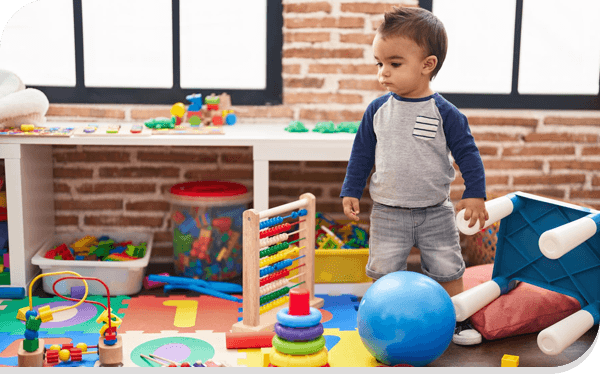
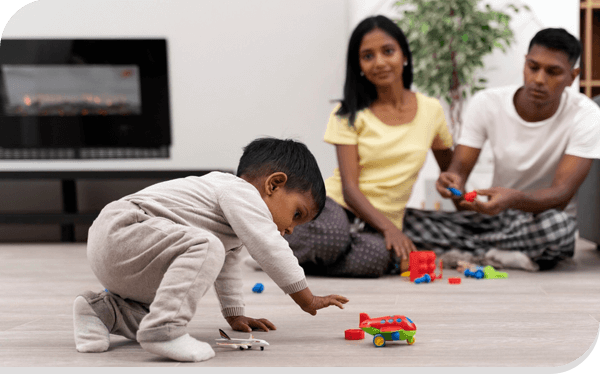
There's a subtle shift that happens. Your child still wants you around, but not for every little thing. They might start a game on their own. Sit with a toy longer than usual. Walk into a room without checking if you're right behind them.
It's not full independence. Its distance is just a little bit. That space matters. In a classroom, teachers can't replace you instantly. A child who can stay engaged without constant reassurance finds it easier to adjust during nursery admission.
Watch how your child reacts when something changes. Moving from playtime to mealtime. Leaving the park. Turning off the TV. These moments used to cause resistance, maybe still do sometimes, but is there a slight improvement?
If your child can shift from one activity to another with less pushback, that's a strong sign. Nursery environments involve frequent transitions. Children move from one activity to another throughout the day. Handling change, even imperfectly, is a big part of readiness.
Children begin picking up on patterns earlier than we think. They know what comes after dinner. They expect a story before bed. They remind you of routines you forgot.
This awareness of structure connects directly with early childhood education, where routines form the backbone of the day. A child who recognises patterns feels more secure in new environments.
They don't need everything explained from scratch.
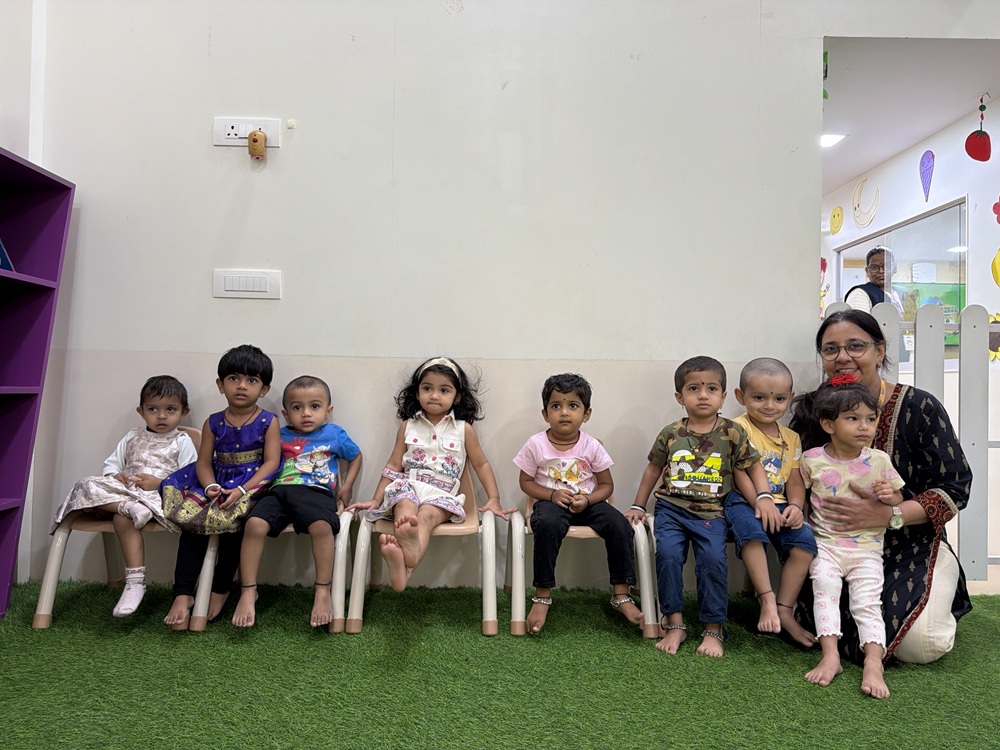
Earlier, silence might have meant something was wrong. Now, you might notice your child sitting quietly with a book, a toy, or even just observing something. That ability to stay calm without constant stimulation is easy to overlook.
In group settings, not every moment is loud or active. Quiet participation matters too. It shows a level of internal comfort that supports adjustment.
Not every child jumps into group play. Some stand back. Watch. Observe what others are doing. Then slowly move closer. This isn't hesitation. It's processing.
Children who take time to understand their environment often adapt just as well, sometimes even better. This behaviour reflects natural early childhood development, where observation is a key part of learning.
If your child does this, it's not a concern. It's a different style of readiness.
You'll start hearing more opinions.
"I don't like this."
"I want that one."
"Not now."
It might feel like stubbornness, but it's actually communication evolving. For a child in a nursery school, expressing his preferences will help the teacher understand him better. This will also minimize frustrations and build confidence.
This kind of clarity becomes useful during nursery admission, where children begin interacting with new adults regularly.
Earlier, even simple requests felt like a struggle. Now, your child might agree to small tasks. Putting toys away. Carrying something light. Helping set the table, even if it's not done properly.
This willingness matters. Classrooms involve shared responsibility. Nothing heavy, just small actions repeated daily. A child who accepts these without resistance adjusts faster.
Something doesn't go their way. A toy breaks. A game ends. They don't get what they wanted. The reaction still comes, but it passes more quickly.
That recovery is important. Nursery spaces involve sharing, waiting, and sometimes losing out. A child who can move past disappointment without staying stuck in it finds it easier to participate in group activities.
This is often a stronger indicator than behaviour during calm moments.
Questions become constant. Not always clear. Not always logical. But constant. Why is the sky like that? Where did this come from? What happens if I do this?
This curiosity is what drives learning in structured environments. It connects directly to how children engage with activities in schools for nursery admission, where exploration is encouraged. A curious child doesn't need to be pushed to learn. They move toward it naturally.
There's always a question around timing. What is the right preschool admission age? Are you early? Late?
Age matters, but it's not the whole story. Two children of the same age can respond very differently to the same environment.
That's why nursery admission eligibility guidelines exist, but they're only a starting point. Real readiness comes from behaviour, not just birthdate.
Instead of asking, "Is my child ready for school?" try asking, "How does my child respond to the world right now?"
Do they explore? Adjust? Communicate? Recover? These answers give a clearer picture than any checklist.
There's no single sign that confirms readiness.
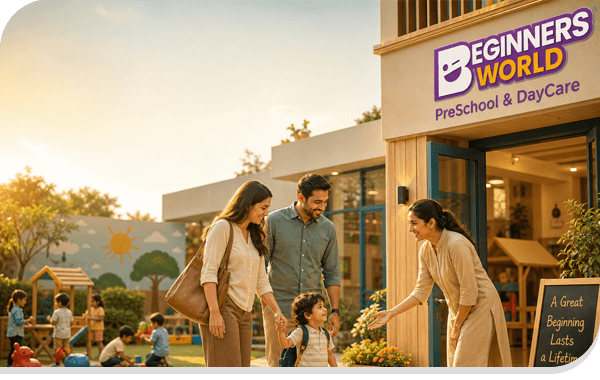
And once you begin your search for schools for nursery admission, your clarity will definitely help make the process easier. If you want to choose an environment that would make it easy for your kids to adapt and not be rushed, then Beginners World Preschool would be ideal, since it helps children acclimatize.
It's a collection of small shifts. Less dependence. More curiosity. Slightly better adjustment. Clearer communication. If you're noticing these patterns, you're already closer to the answer.