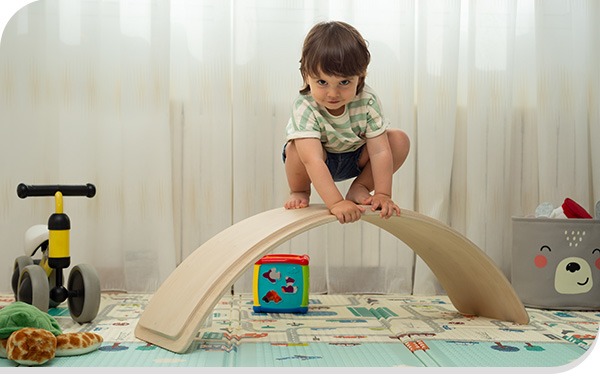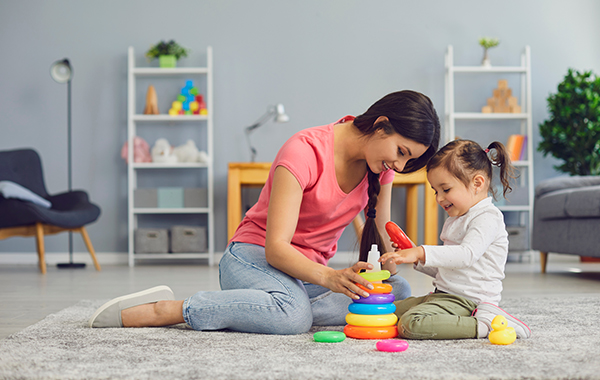
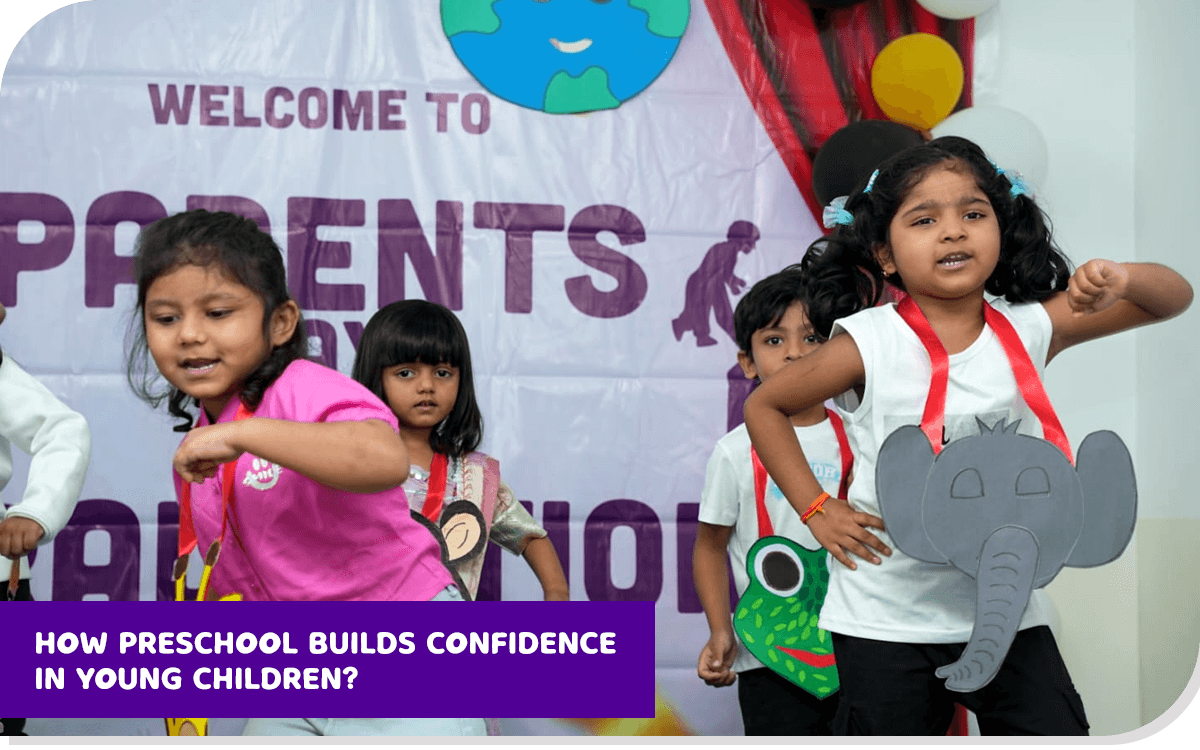
Confidence in young children doesn't appear overnight. It doesn't suddenly arrive because someone says, "Good job" often enough. It builds slowly, through repeated experiences where a child feels capable, heard, and safe enough to try again.That's one reason preschool for child development matters so much during the early years.
Preschool is not just about letters, numbers, or preparing for formal school. It becomes one of the first places where children begin understanding themselves outside the home.And that shift changes more than most parents expect.
At home, adults naturally step in quickly. We tie our shoes faster, solve problems faster, and clean up faster.Preschool slows that process down a little.
A child is encouraged to choose a colour, pick an activity, or decide which story they want to hear. These sound like tiny moments, but they matter. Each decision quietly tells the child, "Your choice matters here."
Over time, children stop waiting for constant instruction. They begin trusting their own responses.That's an important part of preschool for child development, especially during the early years when independence is just beginning to form.
A child who hesitates during an activity on Monday may participate confidently by Friday. Not because someone forced them, but because repetition reduces fear.Preschool routines create familiarity. Morning greetings, circle time, snack breaks, and songs. Children begin recognising patterns, and familiar environments feel safer.Once that comfort settles in, confidence usually follows.
This is one reason structured preschool activities work so well. They allow children to practice social interaction, participation, and communication repeatedly without pressure attached to performance.
Parents often notice this after a few months.A child who once hid behind them starts answering questions independently. Another child begins introducing themselves to others without prompting.
These changes usually come from regular peer interaction.
Inside group settings, children observe constantly. They copy behaviour, language, reactions, and even confidence itself. Watching another child try something often makes them willing to attempt it too.
This social exposure becomes especially important in nursery classes, where children begin learning how to function as part of a group rather than as the centre of attention at home.
One underrated benefit of preschool is this: children realise everyone struggles sometimes.Someone spills paint. Someone forgets lyrics during a rhyme. Someone builds a block tower that falls immediately.And then everyone moves on.
This normalises mistakes. Children stop seeing errors as something embarrassing and start treating them as part of the process.That shift is important because confidence isn't built by avoiding mistakes. It's built by recovering from them without shutting down.
Parents often help immediately because emotional attachment makes it hard not to.Teachers, however, usually pause first. They encourage children to try before stepping in fully.
"Can you do it yourself?"
"What do you think comes next?"
This approach strengthens problem-solving and independence naturally.It also supports preschool cognitive development, because children begin thinking through situations instead of depending on adults for every answer.
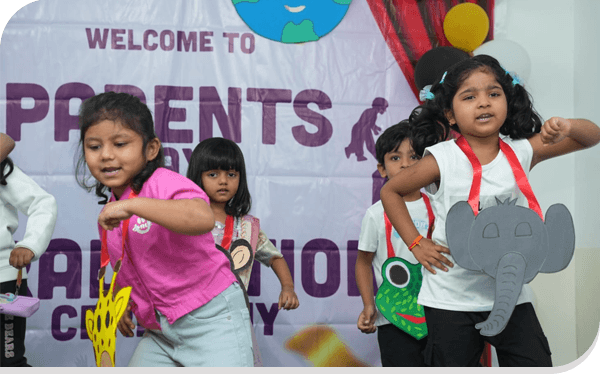
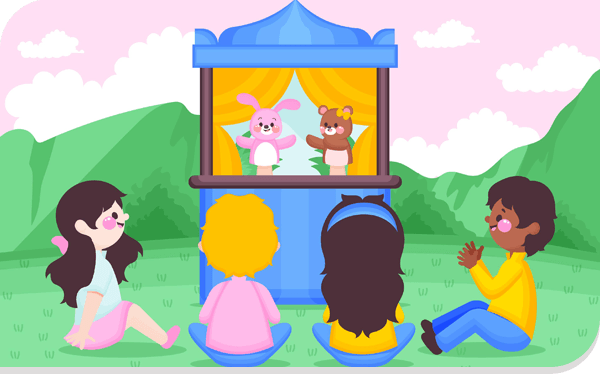
Some children arrive at preschool talkative. Others barely speak in group settings.Both are normal.Over time, daily interaction changes things. Songs, storytelling, and group discussions motivate the participation of children. Children start talking louder, responding to questions, and expressing their preferences.
This process connects closely with early childhood education, where communication develops through involvement rather than formal instruction alone.Confidence grows every time a child realises, "people listened when I spoke."
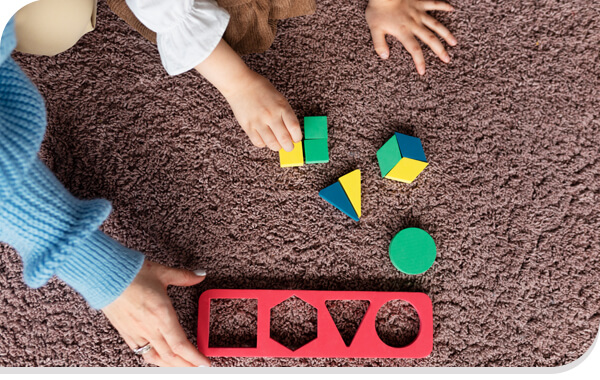
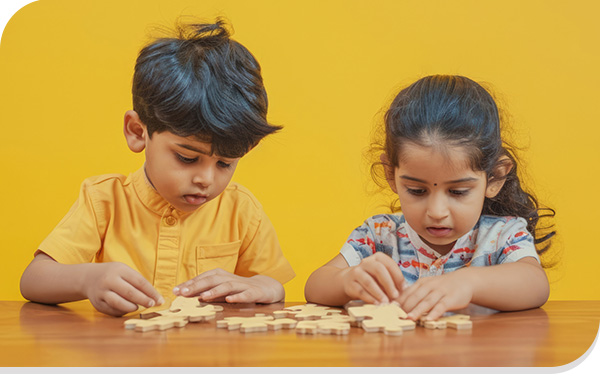
Children notice their own progress more than adults realise.The first time they button something alone. Recognise a letter. Finish a puzzle. Wash hands without reminders. These moments feel significant to them.
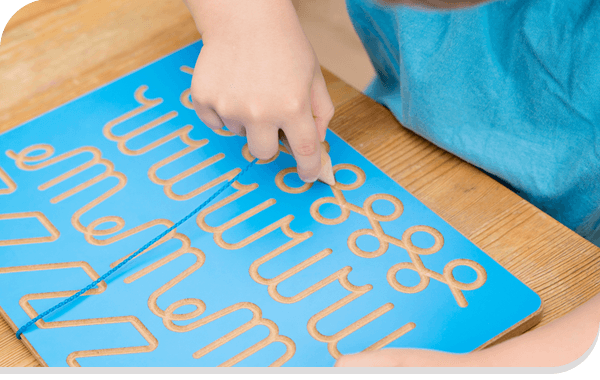
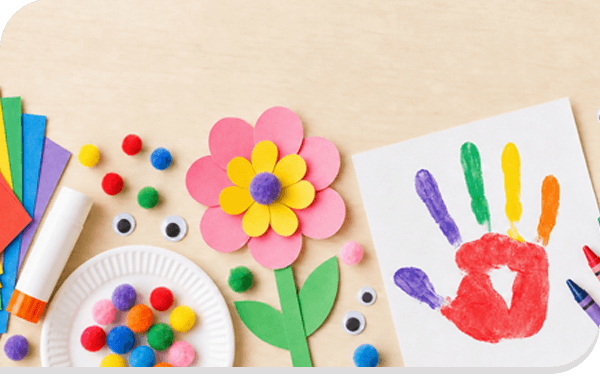
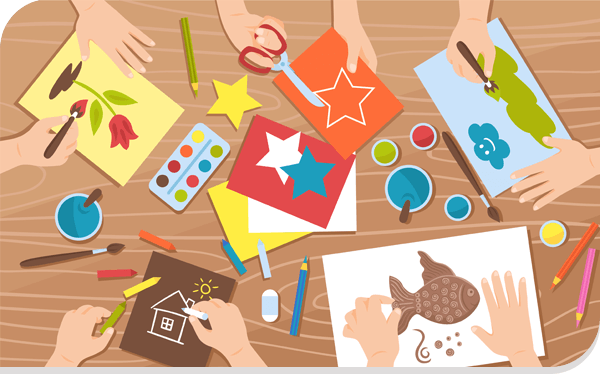
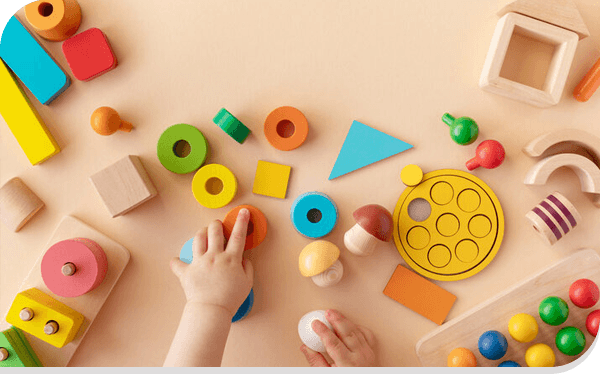
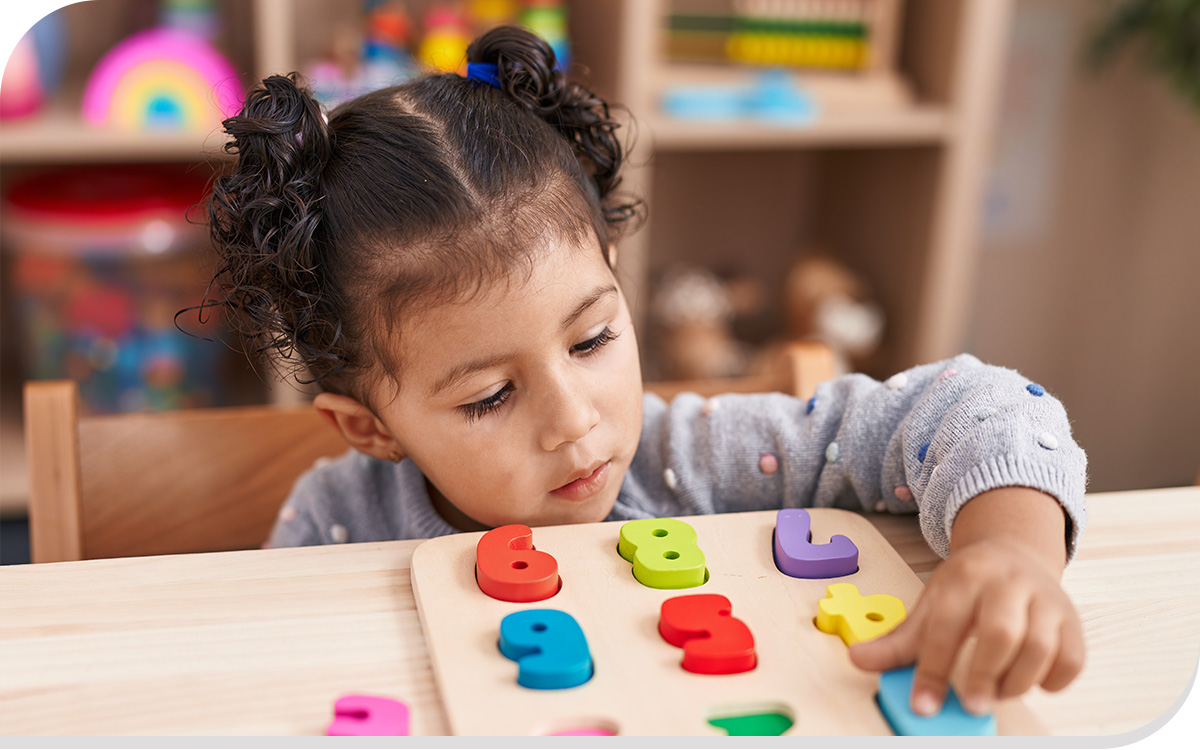
Activities involving drawing, tracing, cutting, and building also strengthen coordination through simple fine motor skills activities. But emotionally, they do something else too. They give children proof that they're capable.
Children entering preschool often feel nervous in unfamiliar environments.But regular exposure changes that.
They learn how classrooms work. How transitions happen. How to ask for help. How to wait for their turn. Eventually, unfamiliar situations stop feeling threatening.
This becomes useful much later, too, especially during bigger transitions like nursery admission or moving into primary school settings.
Children who have been exposed to supportive group settings before tend to adapt more easily in the future.
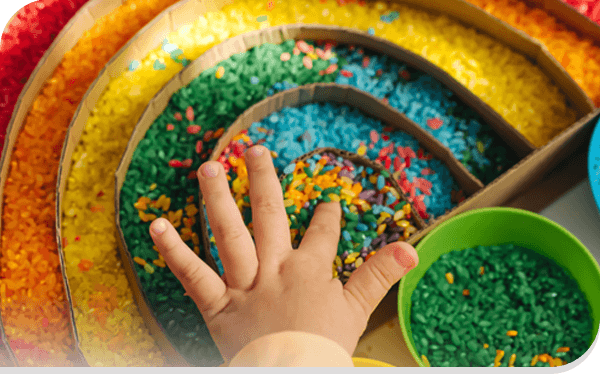
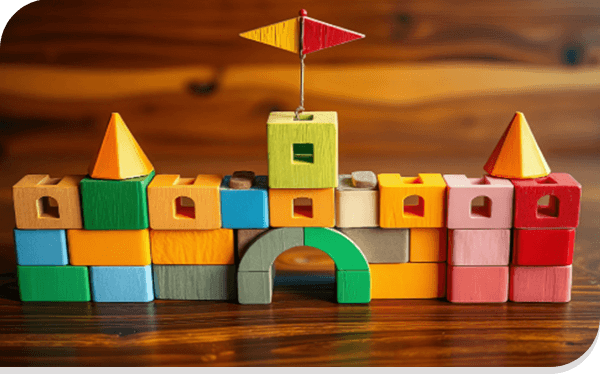
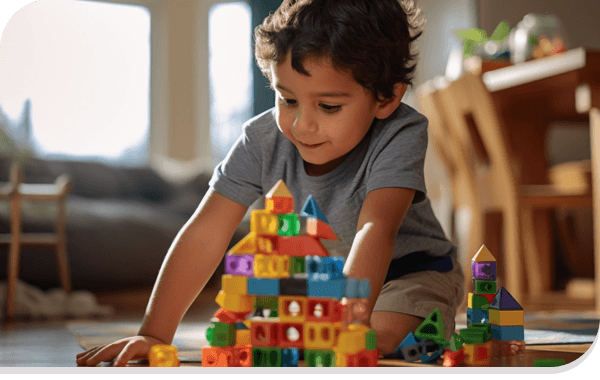
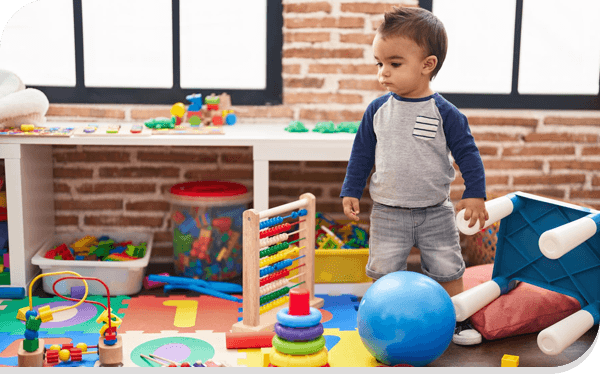
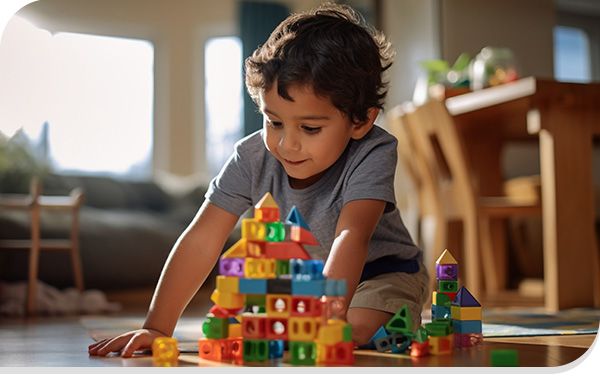
Not every child expresses confidence loudly.Some children become comfortable through quieter activities. Building blocks. Pretend kitchens. Art corners. Story sessions.Play allows for interaction with little pressure involved.
Even learning aids such as phonics for kids tend to work well if taught using play techniques rather than traditional teaching.
There's a difference between encouraging children and controlling every outcome.Good preschool environments don't constantly praise children for everything. They create space for children to attempt, struggle, retry, and eventually succeed.
That process builds more lasting confidence than constant correction or overprotection.Children begin trusting themselves because they've experienced overcoming small challenges independently.
One child becomes more talkative. Another becomes calmer. Another starts participating without hesitation.Confidence doesn't always look loud.
Sometimes it's simply a child walking into class without crying. Sometimes it's raising a hand once during story time. Sometimes it's trying again after failing.These quieter shifts matter just as much.
Confidence in children isn't built through pressure or perfection.It grows through small wins repeated consistently. Through feeling included. Through trying things independently and realising mistakes are survivable.That's why preschool for child development matters beyond academics. It gives children a space to discover what they can do on their own.
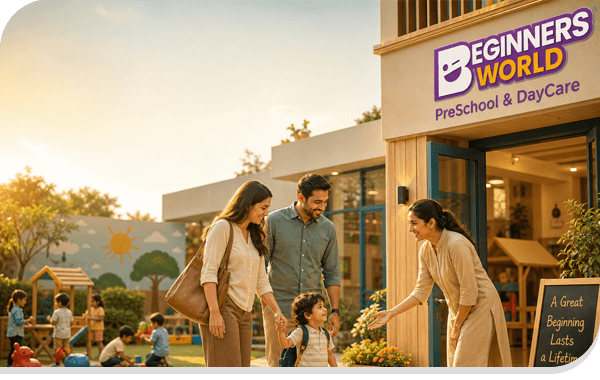
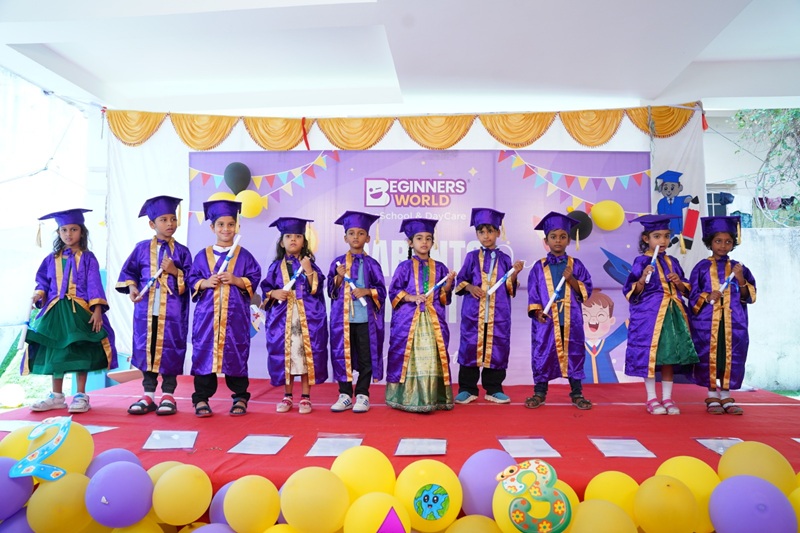
For many parents, it is not the time for quick learning but rather a period during which the child feels secure, expressive, and comfortable in their surroundings. This is the balance that Beginners World Preschool attempts to foster through daily learning experiences.