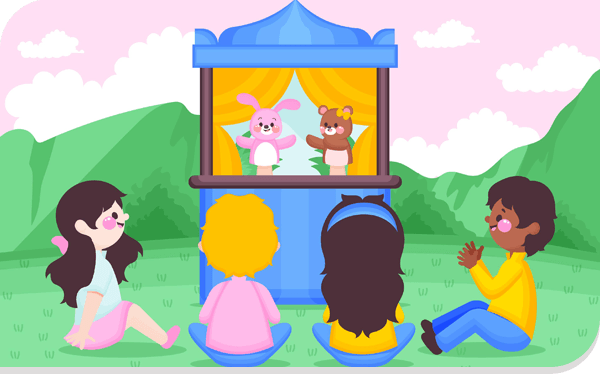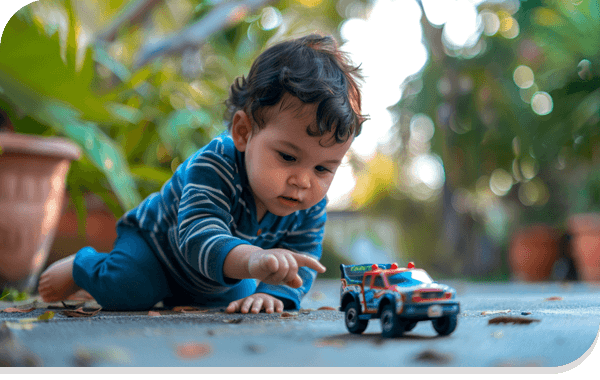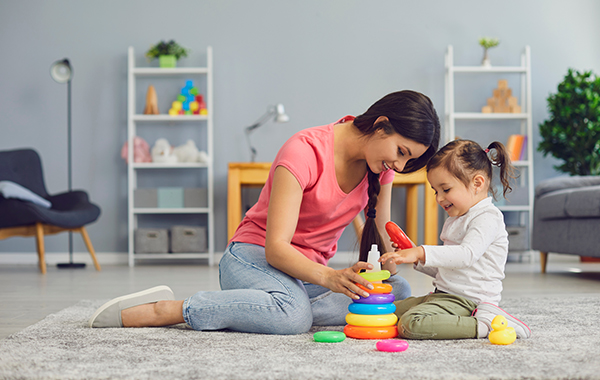
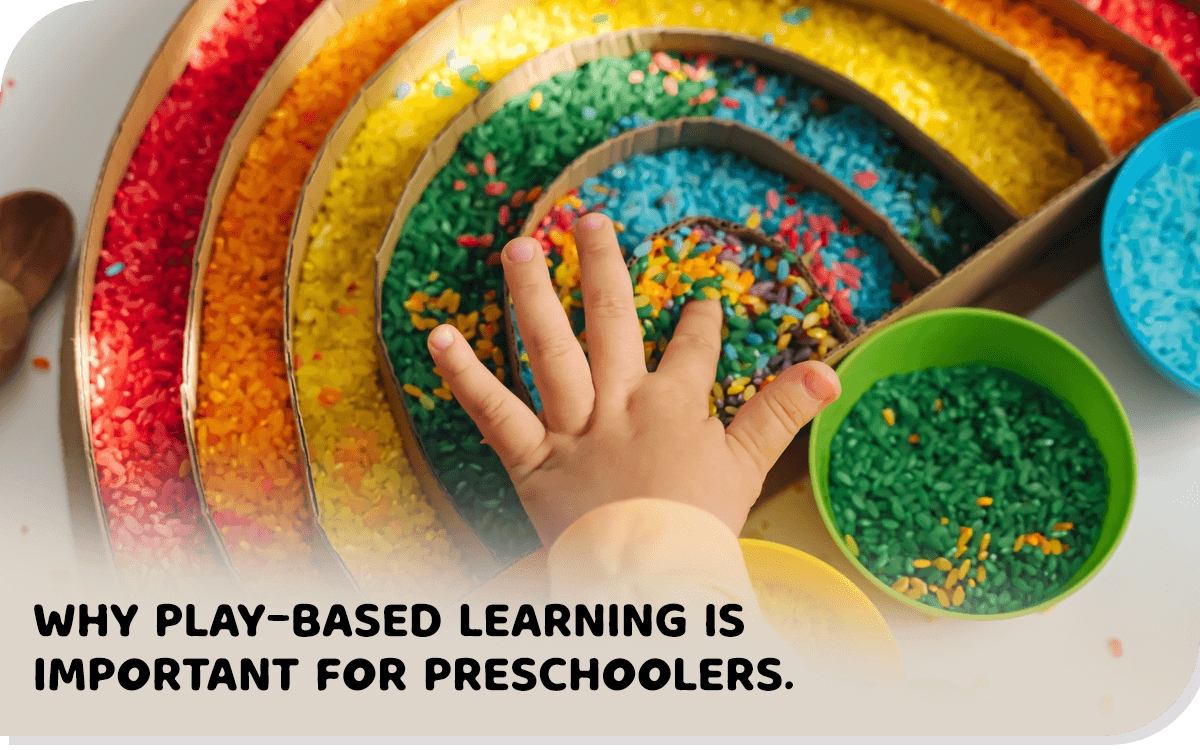
If you've ever watched a group of preschoolers for even ten minutes, you've probably noticed something. Adults see children playing. Children don't. They see a restaurant they just opened, a spaceship that needs repairing, or a jungle where every cushion has suddenly become a mountain.
That's the quiet beauty of Play-Based Learning. Children aren't pretending to learn while they play. They're learning because they're playing.
It's easy to underestimate these moments because they look ordinary. A tower of blocks, a pretend tea party, or a game of chasing bubbles doesn't resemble a classroom lesson. Yet those simple experiences often teach skills that can't be developed through worksheets alone.
Many educators working in early childhood education have noticed the same pattern for years. When children are curious, relaxed, and free to explore, they stay involved much longer than when every activity has only one correct answer.
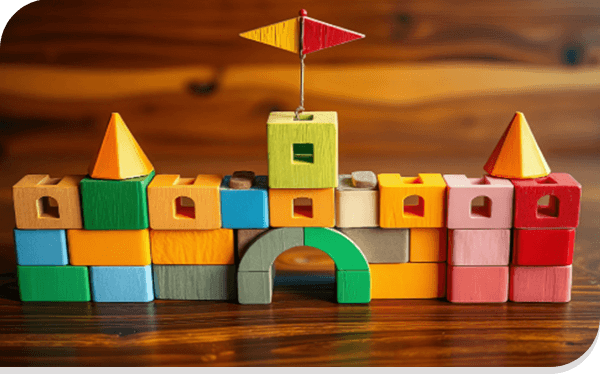
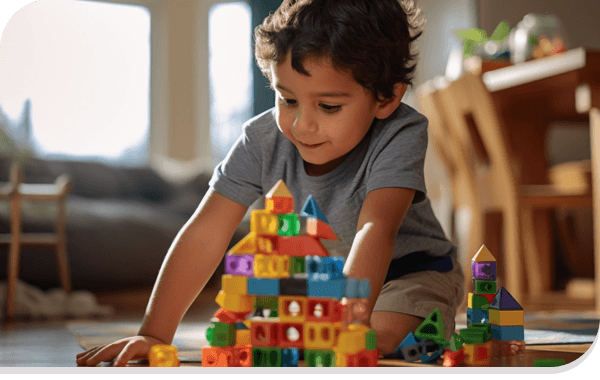
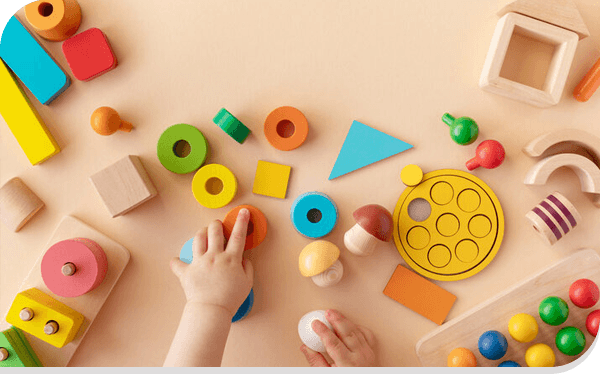
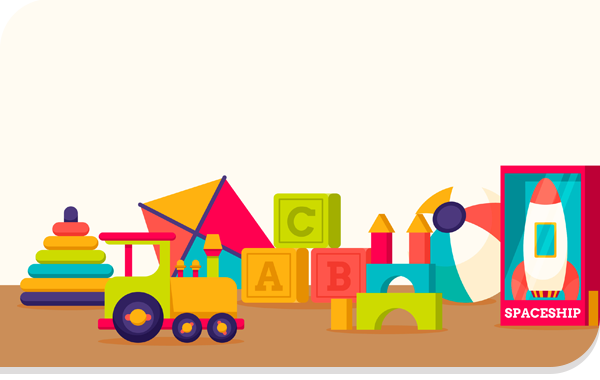
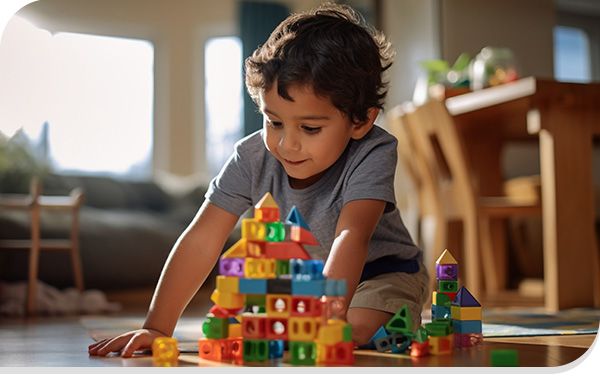
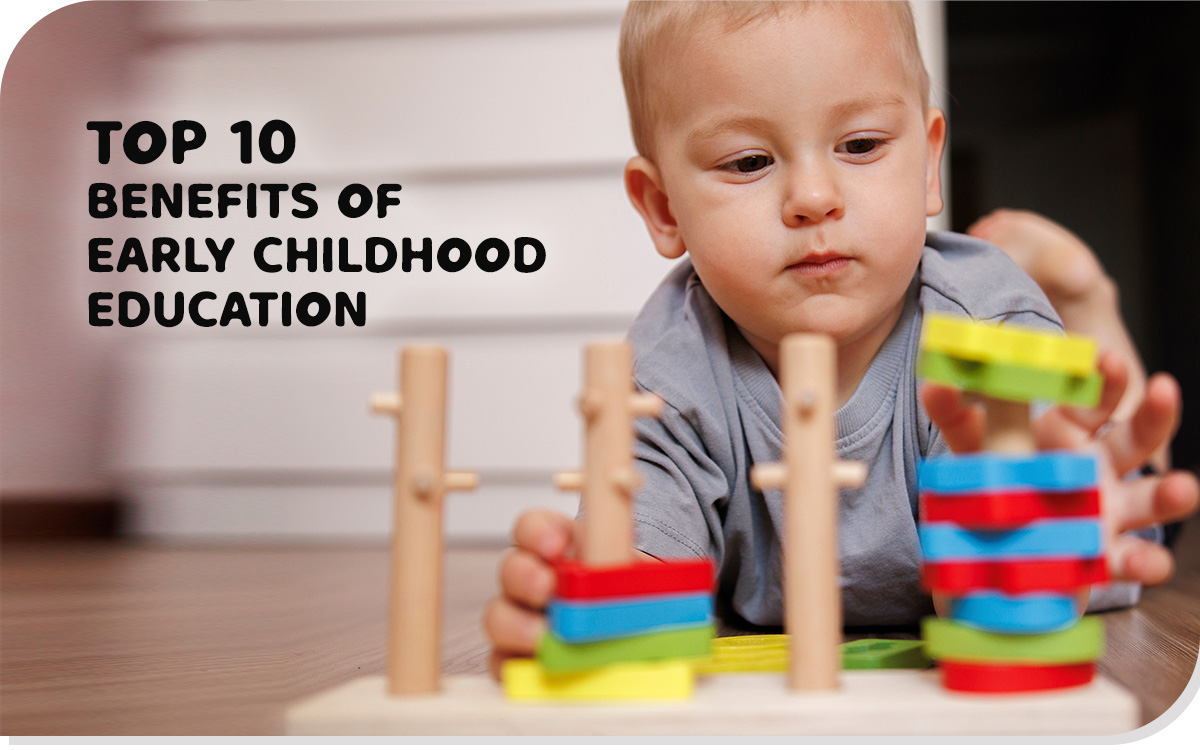
Think about two children standing beside the same box of building blocks.
One start stacking them carefully into the tallest tower possible. The other spreads every block across the floor before deciding to build a bridge instead.
Neither child is doing it the "right" way. They're simply solving the same problem differently.
That's one reason play matters so much during the preschool years. It gives children room to make choices without worrying about getting them wrong. Over time, they begin trusting their own ideas.
Parents often ask why is play important for preschoolers, but the answer usually appears in these everyday moments. Play encourages children to experiment, change direction, and try again when something doesn't work.
Anyone who has spent time with young children has seen it happen. A carefully built tower suddenly crashes onto the floor.
Some children burst into laughter. Others stare at the blocks for a few seconds before quietly rebuilding everything from the beginning. That second attempt is important.
Nobody asked them to solve a problem. Nobody offered a reward. They simply wanted to see whether they could build it again, maybe even better this time.
Those small experiences build resilience far more naturally than constant praise ever could.
Listen closely while children pretend to run a shop or a kitchen.
They negotiate. They explain. They disagree.
Sometimes they completely change the story halfway through because someone has a better idea. Those conversations strengthen communication in ways adults rarely notice at first. Children learn to listen, respond, and express themselves because they need those skills to keep the game going.
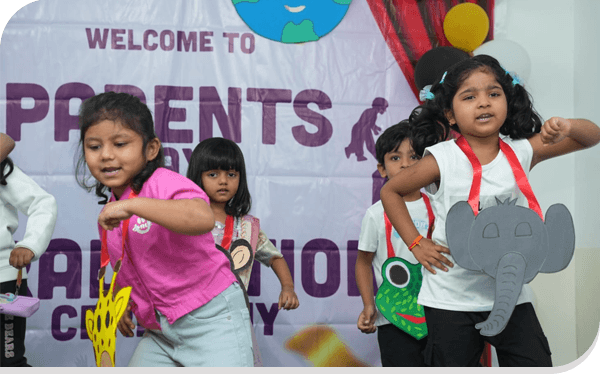
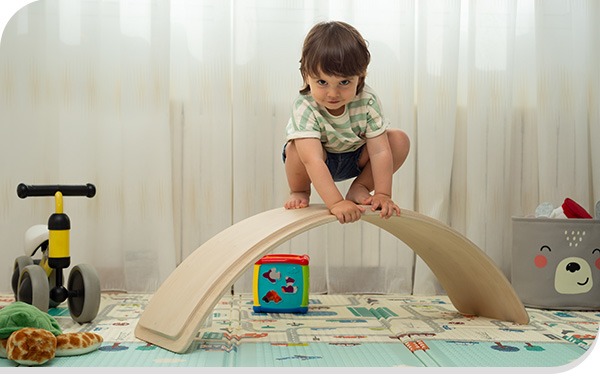
That is why many everyday preschool learning activities include pretend play alongside stories, music, and outdoor games.
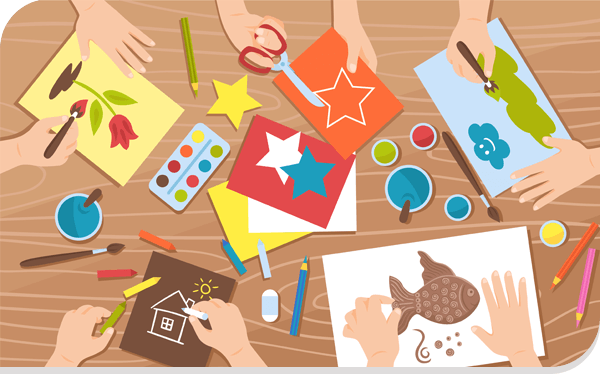
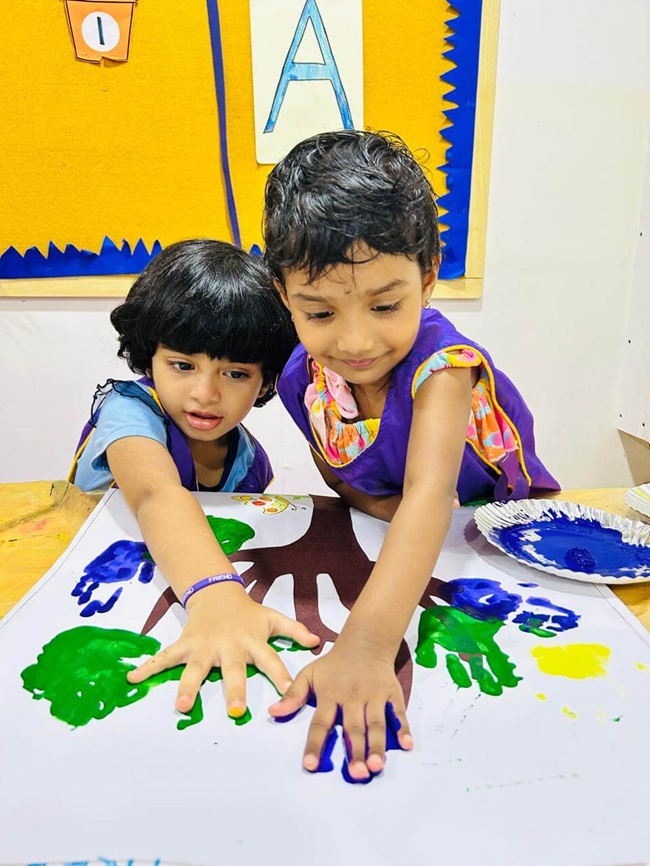
Adults often expect art to look tidy. Children usually don't. A purple elephant, a house floating in the sky, or a family with green hair makes perfect sense to them. They're not worried about realism. They're exploring ideas.
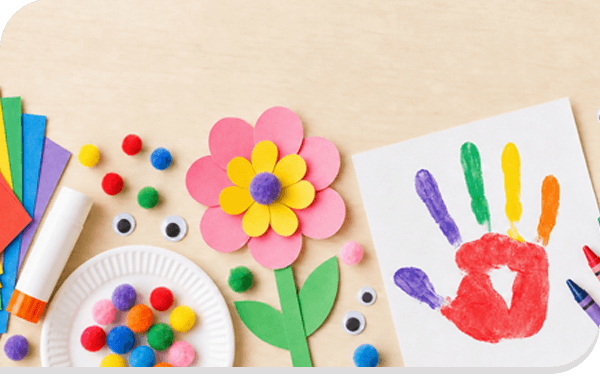
Simple craft activities for preschoolers encourage exactly this kind of thinking. Children experiment with colours, shapes, and materials while making hundreds of tiny decisions along the way.
None of those choices feel like lessons, yet each one helps build confidence.
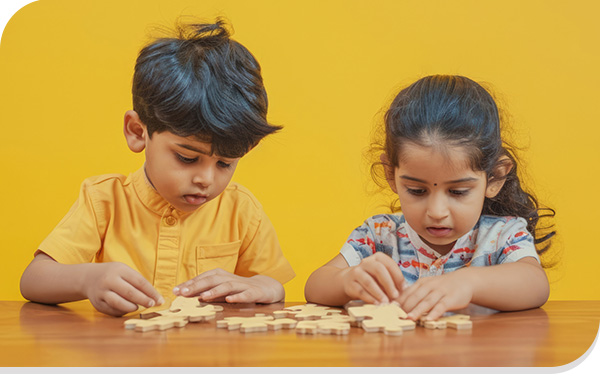
Play teaches things that rarely appear on report cards. Waiting for a turn. Helping another child finish a puzzle. Asking politely for a toy instead of grabbing it. Laughing when something goes wrong instead of giving up.
These moments gradually become part of everyday behaviour.
Parents searching for practical parenting tips for preschoolers are often surprised to discover that giving children more opportunities to play together can solve problems that constant correction cannot.
Confidence doesn't suddenly appear because someone says, "Well done."
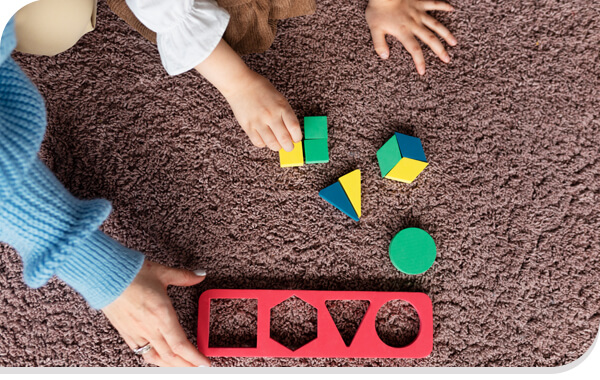
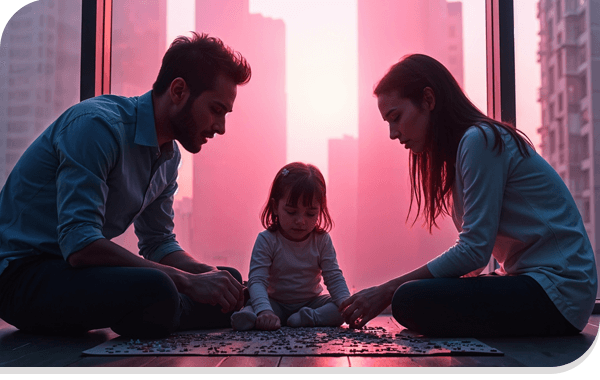
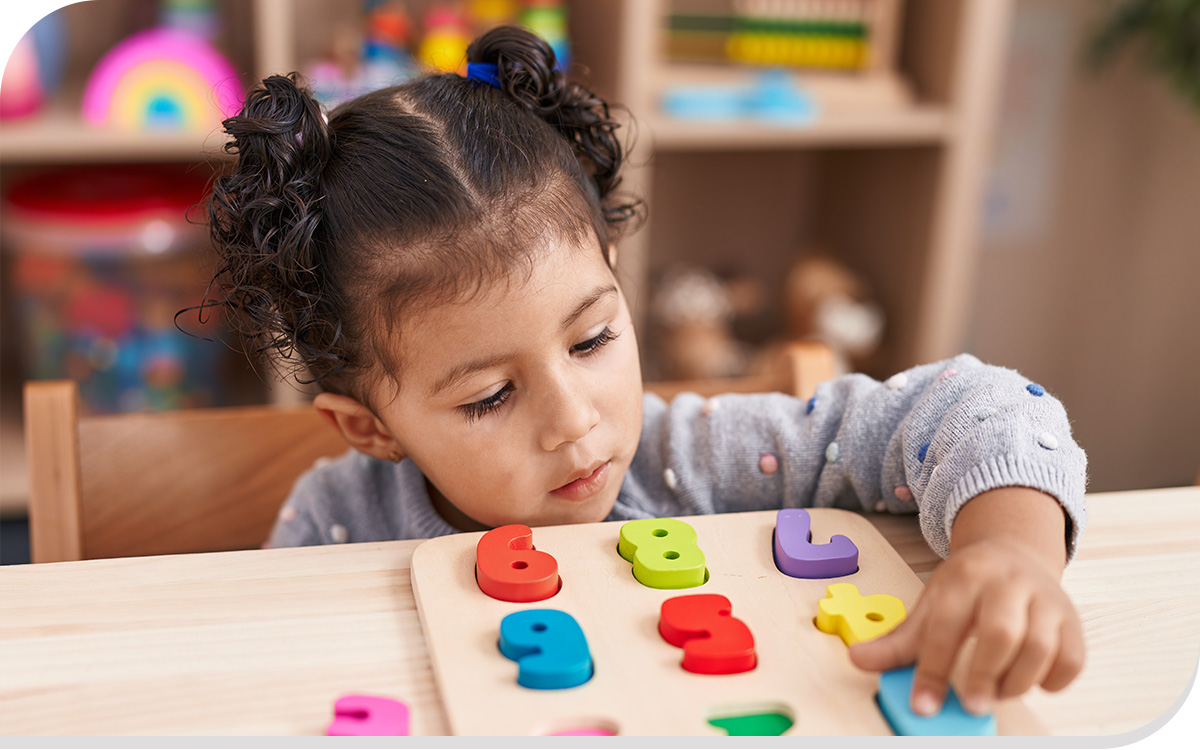
It grows when children discover they can do something on their own. Finishing a puzzle after several attempts. Figuring out how to balance blocks. When coming up with an alternative method for creating something if the first attempt fails.
Although adults might consider these achievements tiny, they do make an impression on children who then think, "I can try again."
This mindset is normally carried on when dealing with other circumstances. The kids who have experience in experimenting while playing tend to be less apprehensive about doing the same in class.
Parents often hope to see quick progress. Real development usually looks different.
One week your child watches other children play without joining. A month later, they're inviting someone to play with them. Another child who once became upset over every small problem may begin solving it independently instead.
These changes are easy to overlook because they happen gradually. Yet they often reflect important preschool development milestones that develop through regular experiences rather than formal lessons.
Looking back after a few months often shows just how much has changed.
Play doesn't mean children spend the whole day running around without structure.
A quality preschool has the right mix of planned activities, playing outside, storytelling, singing, making art, and relaxing time. Kids will still be taught to do things in an organized way, listen to directions, and cooperate with other kids, but it's done without pushing.
This balanced approach explains why play based learning is important. It prepares children for future classrooms while allowing them to enjoy the curiosity that makes early childhood so special.
Most grownups reminisce about their childhood because of the experience rather than anything they were taught.
Building a blanket fort, pretending that the living room was a jungle, painting a picture that was not really coming out the way they intended; those are memories that were formed because they allowed the child to be imaginative, confident, and curious.
This is the case with today's children as well.
At Beginners World Preschool, play is not looked upon as a distraction from learning, but is very much a part of the entire learning experience. Through Play-based learning, the preschoolers have the liberty to question, problem-solve, fail, and discover new things on their own.