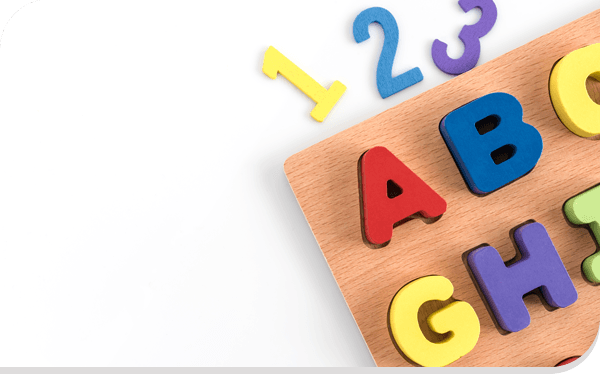
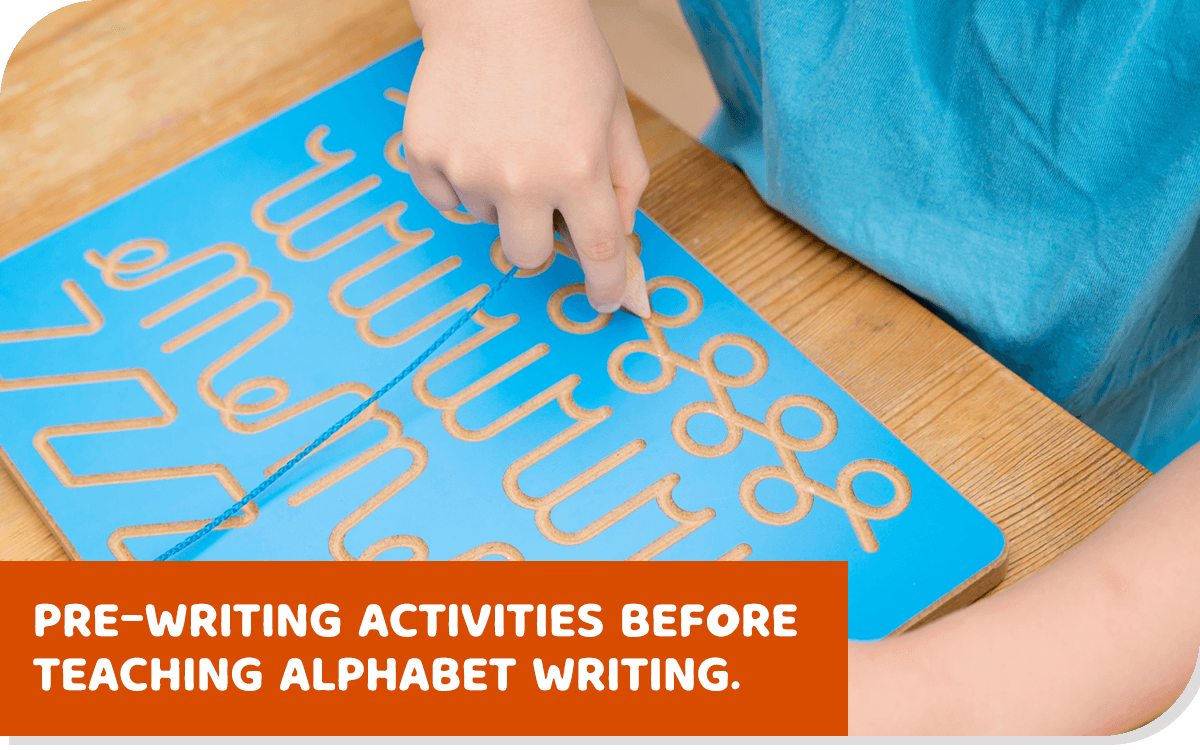
Many parents become excited when their child starts recognising letters. Naturally, the next thought is, "Should we begin writing now?" It sounds like the right step, but Pre-Writing Activities should come before a child ever holds a pencil to write the alphabet.
Writing is much more than remembering the shape of an A or a B. It requires finger control, hand-eye coordination, focus, and confidence. These abilities develop gradually, so introducing letters too early can make writing feel frustrating instead of enjoyable.
The good news is that preparing for writing doesn't require daily worksheets. Many of the best activities feel like play.
Adults often think of writing as an academic skill, but preschoolers experience it differently.
Holding a pencil steadily can be just as difficult as recognising letters. If their fingers tire quickly or they struggle to control simple movements, writing becomes much harder.
That is why many teachers spend time strengthening little hands before introducing letters. This gradual approach reflects early childhood education, where development comes before formal instruction.
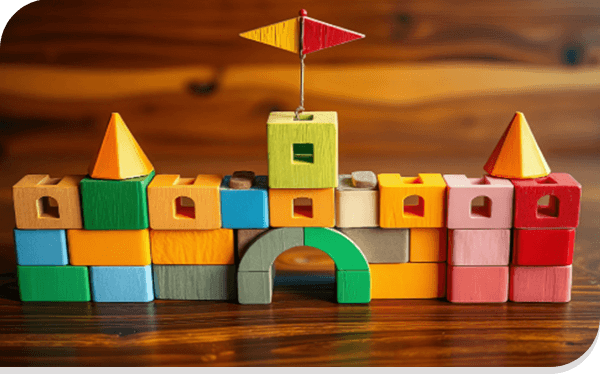
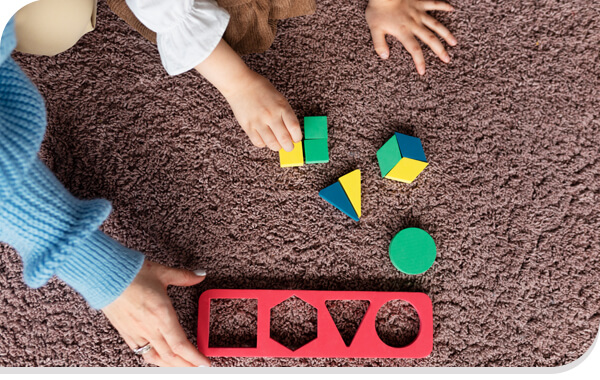
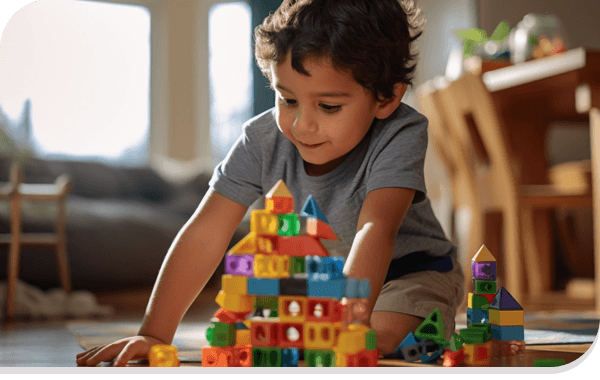
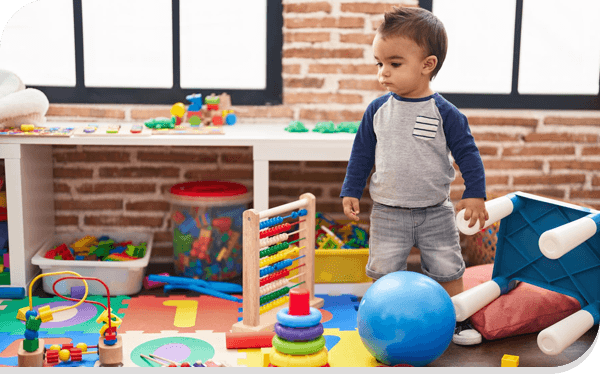
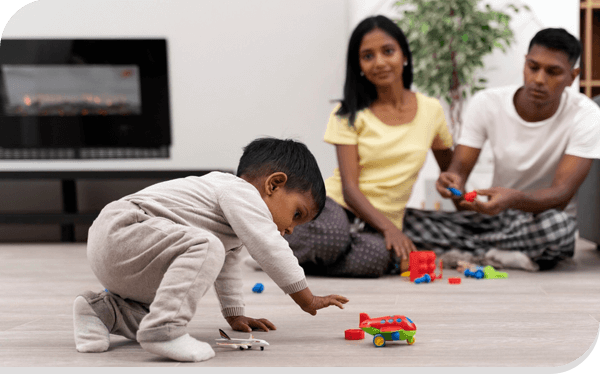
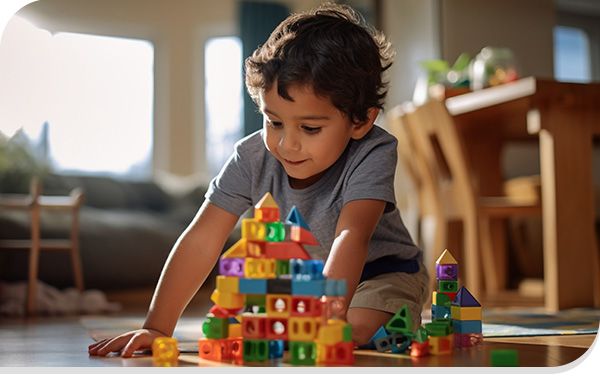
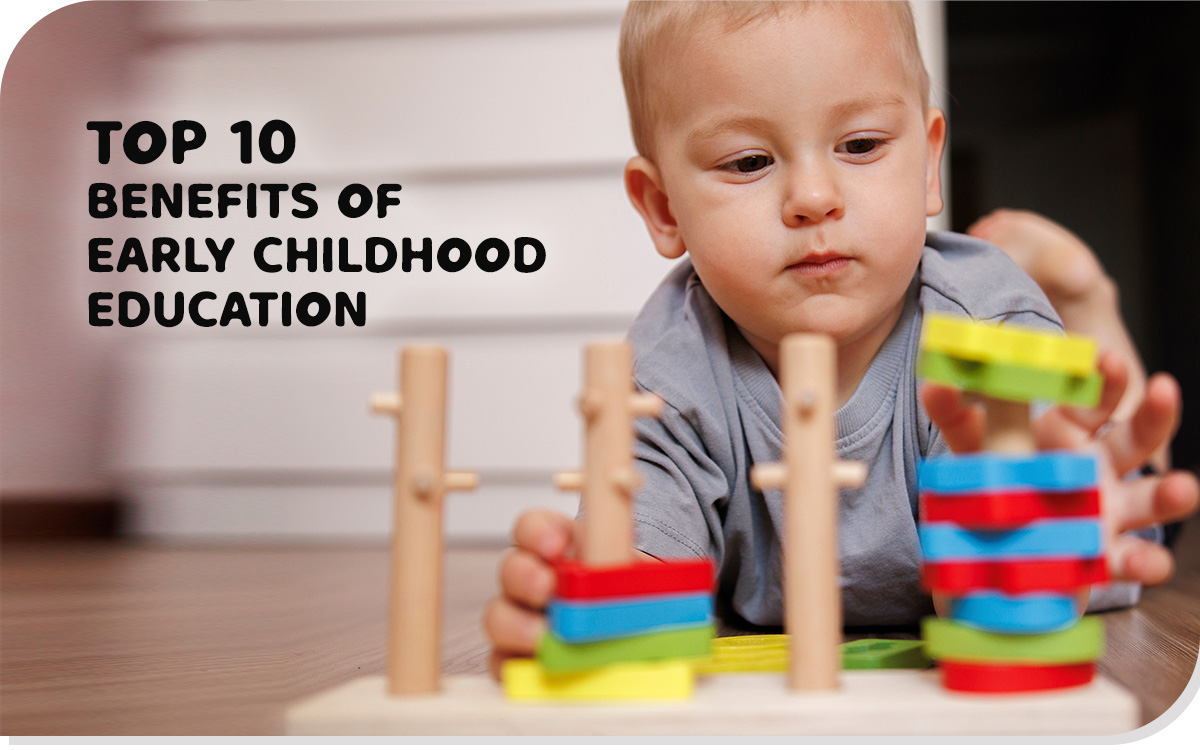
Watch a young child stack blocks or pick up tiny beads. Those simple actions strengthen the muscles needed to hold a pencil later.
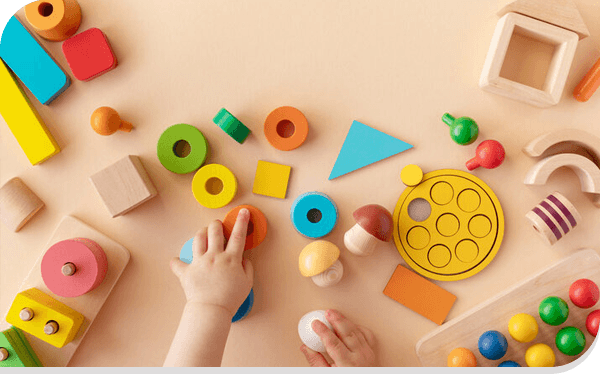
Everyday fine motor activities like pinching, twisting, squeezing, and gripping often help more than tracing pages filled with letters. Children simply enjoy the activity without realising they are preparing for writing.
Play dough offers excellent practice for small hands.
Rolling long ropes, flattening shapes, squeezing balls, and using fingertips to make tiny objects all improve finger strength and control. Children stay engaged because there is no pressure to produce a perfect result.
Before learning letter formation, many young children love drawing circles, lines, dots, and colorful scribbles.
Such activities allow developing hand coordination as well as fine motor skills. When gaining more confidence, simple drawings begin transforming into meaningful ones.
Even routine household activities could serve as writing preparation for children.
Peeling stickers, pinching clothespins, opening jars, manipulating beans with a spoon - all these activities promote the development of finger muscles and independence. Such routine actions transform into valuable exercises without turning them into classes.
It does not mean that all kids have an interest in pencils right from the start.
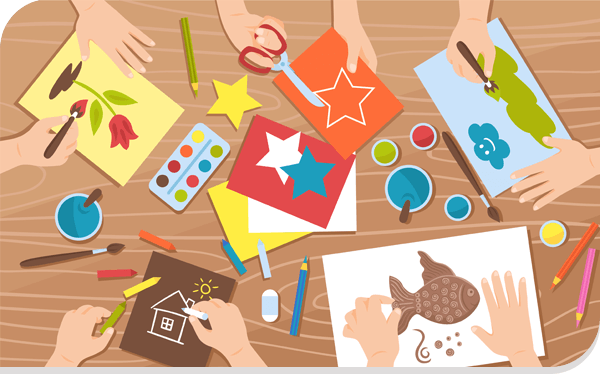
Give children chunky crayons, paints, markers, sidewalk chalk, or even let them make fingerprints using sand or flour.
Creative work naturally prepares children for writing.
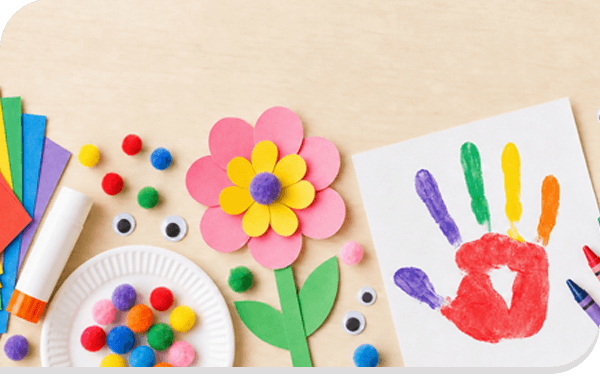
Tearing coloured paper, squeezing glue bottles, threading beads, folding paper, and cutting with child-safe scissors all strengthen hand muscles. These also become enjoyable preschool learning activities because children stay focused on creating rather than practising.
Letters are made from simple strokes.
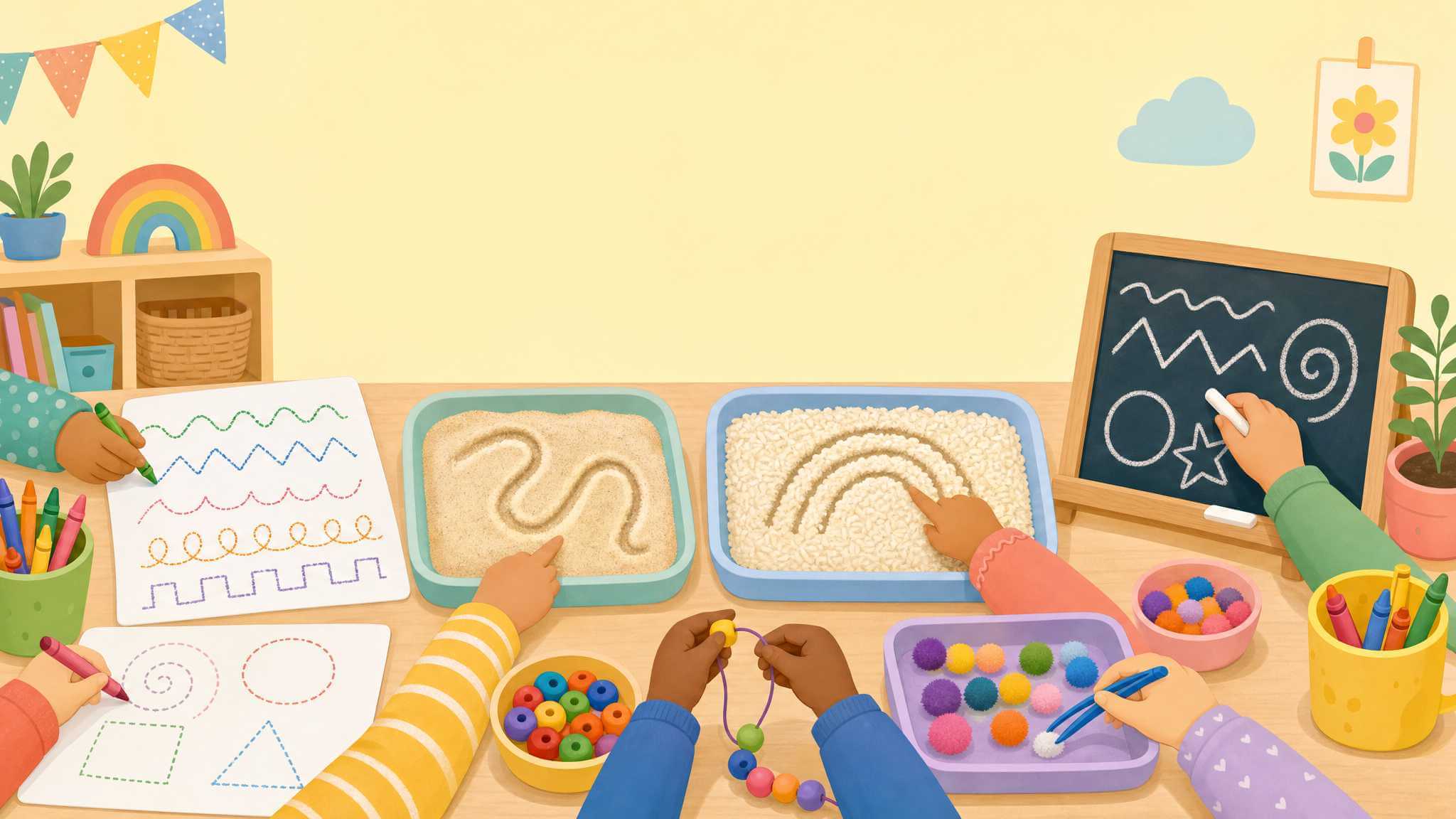
Before introducing the alphabet, encourage children to draw straight lines, curved lines, zigzags, crosses, and large circles. These basic movements make letter formation much easier later.
Writing preparation doesn't always happen while sitting.
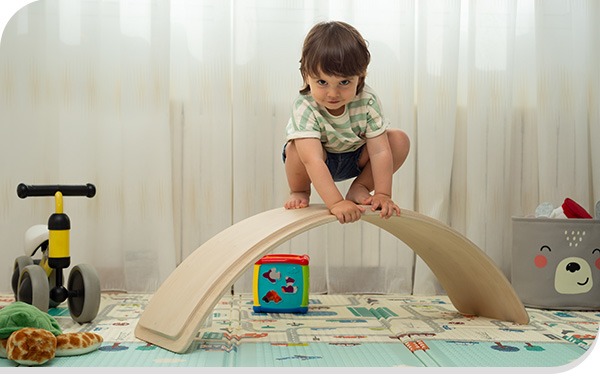
Climbing, crawling, balancing, throwing balls, and digging in sand all strengthen the larger muscles that support posture and arm control. Good body stability helps children write comfortably for longer periods.
Tracing can occur just about anywhere.
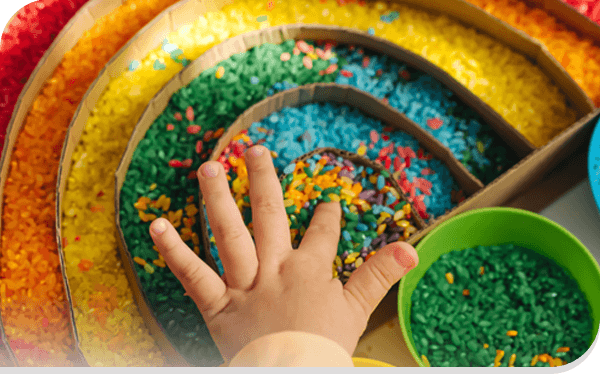
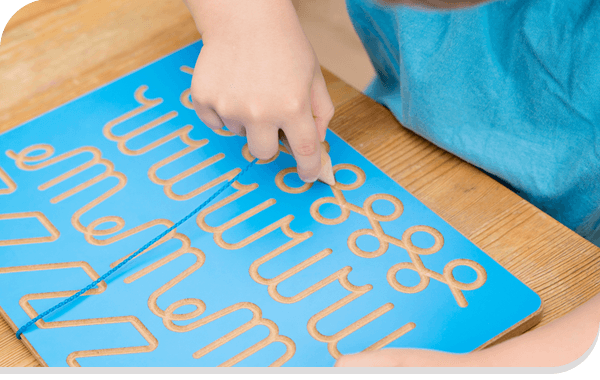
Kids can create shapes in sand, rice, flour, or shaving cream. Kids can also practice tracing big lines outdoors with a stick. These are great for movement without the worry of making mistakes.
Patterns allow kids to understand order and sequence.
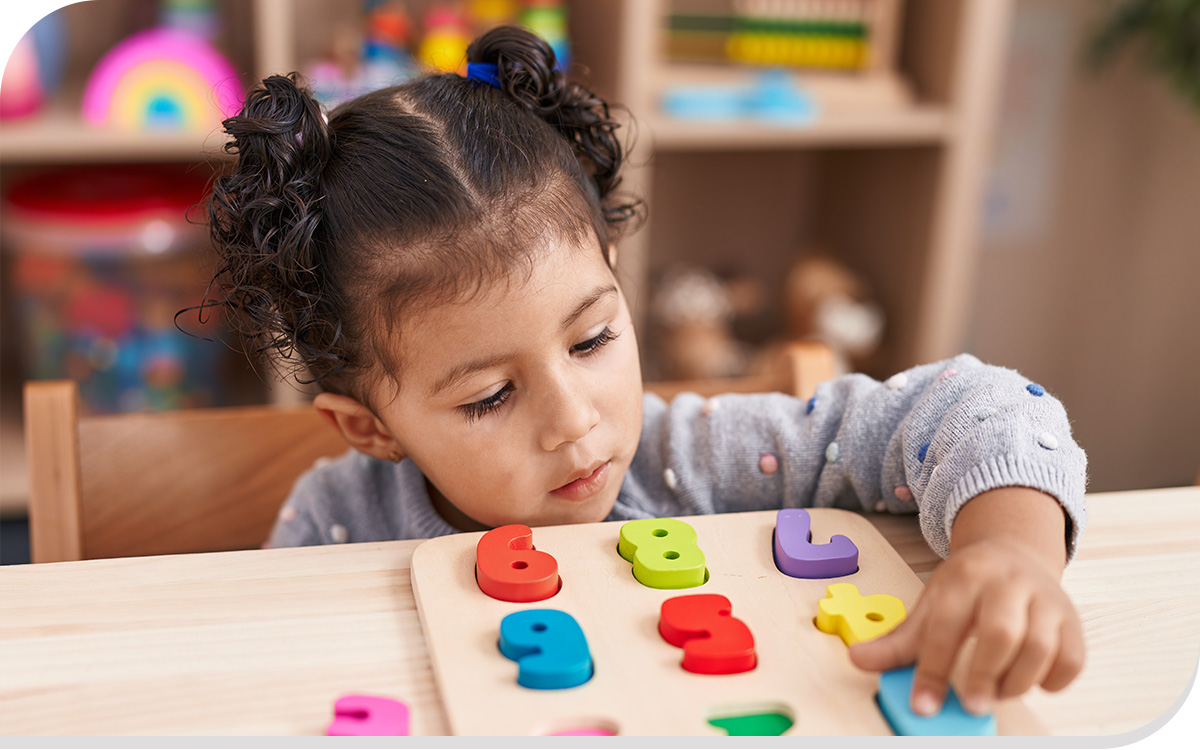
Place blocks, buttons, or bottle caps in patterns and ask your kid what comes next. These types of games will enhance observational and thinking skills needed for writing.
Kids who love books love to write.
When you read with your kids, have them look at the pictures, turn pages, and listen for repeating words. This is an excellent way to help kids learn preschool writing and reading skills.
All kids develop at different rates.
Some kids are eager to write, and there are kids who require more time. Making them do what they do not want to will lead to frustration, but giving them time will arouse their interest.
Development should be judged based on how comfortable and confident they are, rather than by their age.
Preparation for writing is not only about holding the pencil properly.
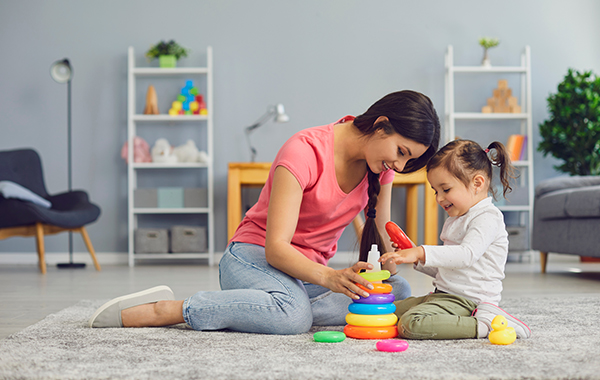
Learning to take turns, politely seek assistance, share the material used, and even learn in the company of other kids all form part of Social skills development.
Development usually happens in small steps.
One week your child may hold a crayon more comfortably. Later they may draw smoother circles or straighter lines. These small improvements show that important preschool literacy skillsare developing.
Celebrate progress rather than expecting perfection.
There isn't one perfect age.
Instead, watch out for easy indicators. Your child loves to draw, holds the crayon properly, is interested in letters, and does not get frustrated doing brief activities.
When these behaviours appear naturally, alphabet writing usually feels much easier.
Writing begins long before the first alphabet is written on paper.
It starts while children play with dough and tear paper, build towers, draw shapes and explore different materials. These experiences develop the strength and coordination, with confidence needed for writing.
Instead of hurrying children to form letters, let them have fun with learning through play. When that base is established, then writing will be much more enjoyable.
At Beginners World Preschool, children build these essential skills for Pre-Writing Activities skills through creative exploration and hands-on activities, along with age-appropriate learning. By focusing on readiness rather than writing, the school ensures that every child gains confidence at his or her own pace.